The Importance of Talking and Reading Daily: Boosting Your Toddler’s Growth
Parenting a toddler sometimes feels like a whirlwind—filled with giggles, questions, and a fair share of chaos. But amidst the day-to-day, there’s one habit that can transform your child’s growth: talking and reading daily. It’s simple, fun, and proven by science to shape your toddler’s brain, language, and emotional development. Let’s dive into why these moments matter so much, and how you can make them part of your family’s routine.
Why Talking and Reading Matter
From the first babble to bedtime stories, your toddler is soaking up words like a sponge. The more you talk and read together, the more you nurture their:
- Language skills: Building vocabulary and grammar
- Cognitive development: Strengthening memory, focus, and problem-solving
- Emotional intelligence: Understanding feelings and relationships
- Social skills: Learning to communicate, listen, and share
Research shows that children who hear thousands of words daily develop stronger reading and communication skills later on. The famous "30 Million Word Gap" study found that toddlers exposed to frequent conversation and reading enter school with a huge advantage in vocabulary and comprehension.
Talking: Everyday Conversations That Count
Talking with your toddler doesn’t need to be complicated. The magic is in making daily activities interactive:
- Describe what you’re doing: “I’m slicing apples. Do you want a red one or a green one?”
- Ask questions: “Where do you think the cat went?” or “What color is your shirt?”
- Respond to their babble: Even if it’s just repeating their sounds or showing excitement.
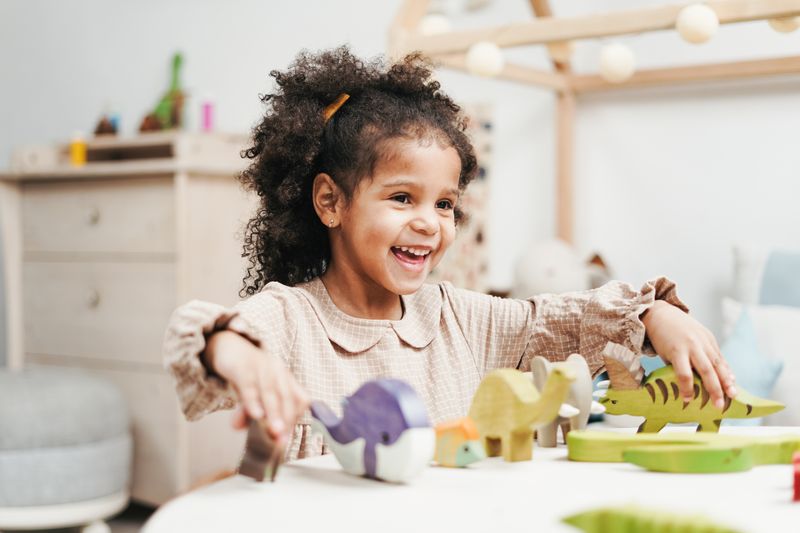
- Play pretend: Use toys or puppets for imaginative conversations.
- Share stories from your day: “Today, I saw a big truck at the store!”
Every interaction helps build language pathways in their brain. Don’t worry about grammar—just focus on being expressive and responsive.
Reading: More Than Just Storytime
Reading isn’t just about books—it’s about sharing moments, ideas, and emotions. Here’s how storytime supports your toddler’s growth:
- Expands vocabulary: Introduces new words and concepts
- Improves listening skills: Teaches focus and patience
- Boosts imagination: Inspires creative thinking and play
- Teaches empathy: Characters and stories help toddlers understand feelings
- Builds routines: Consistent reading creates comfort and security
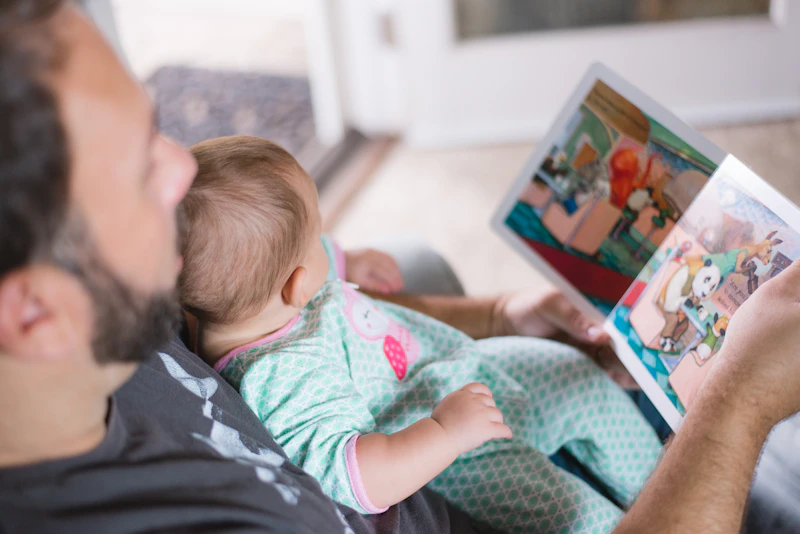
Choose books with colorful pictures, repetitive phrases, and relatable themes. Let your toddler turn pages, point to images, or finish sentences. They’ll love feeling involved!
Science-Backed Benefits of Daily Talking and Reading
Let’s look at what the experts say:
- Brain development: The first three years are crucial for forming neural connections. Language-rich environments turbocharge growth.
- Academic success: Early exposure to words and stories predicts higher reading and math scores later.
- Emotional resilience: Toddlers who hear and read about feelings learn to manage their own emotions.
- Social relationships: Conversational turn-taking teaches sharing, listening, and empathy.
According to the American Academy of Pediatrics, daily reading and talking with your child is one of the most effective ways to foster lifelong learning.
Practical Tips for Busy Parents
Life with a toddler is unpredictable, but weaving talking and reading into your routine is easier than you think. Try these tips:
- Keep books in every room: Make it easy to grab a story whenever you have a few minutes.
- Talk during chores: Describe your actions, ask questions, and involve your child.
- Use bath time and mealtime: Sing songs, tell stories, or chat about the day.
- Let your toddler pick the story: Giving choices encourages engagement.
- Use expressive voices: Make reading dramatic, silly, or soothing.
- Read in short bursts: Don’t stress if your toddler can only focus for a few minutes at a time.
Remember, it’s not about perfection—it’s about connection!
Fun Activities to Encourage Talking and Reading
Looking for inspiration? Here are toddler-approved ways to turn talking and reading into play:
- Picture walks: Flip through books and talk about the pictures, even if you don’t read the words.
- Silly rhymes and songs: Make up songs together or rhyme words during play.
- Puppet shows: Use socks or stuffed animals for storytelling.
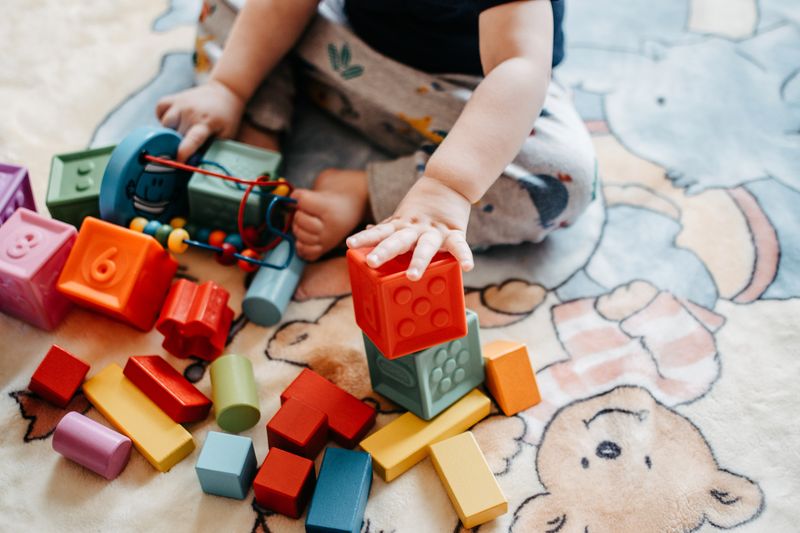
- Storytelling with toys: Create adventures with blocks, cars, or dolls.
- Family storytime: Involve siblings or grandparents for group reading.
- Library visits: Explore new books and join toddler story hours.
Celebrate every attempt your toddler makes to join the conversation or share their own stories!
Addressing Common Concerns
It’s normal to wonder if you’re doing enough or doing it "right." Here are answers to common worries:
- “My toddler doesn’t sit still!” That’s okay! Try reading while they play, or break storytime into short sessions.
- “I’m not a great storyteller.” Your child loves your voice. Even simple narrations are powerful.
- “Our schedule is packed.” Use car rides, meal prep, or bath time for conversations and songs.
- “We don’t have many books.” Local libraries, thrift stores, or homemade stories are wonderful alternatives.
There’s no one-size-fits-all approach. Every conversation and story counts!
Signs Your Toddler Is Thriving
Wondering if daily talking and reading are making a difference? Look for these milestones:
- Growing vocabulary (using new words)
- Complex sentences (combining ideas)
- Curiosity about books and stories
- Improved listening and attention
- Better social interactions (sharing, responding)
If you notice delays or concerns, talk to your pediatrician. Every child develops at their own pace.
Long-Term Impact: Setting the Stage for Success
The habits you build now set the foundation for lifelong learning. Children who grow up in language-rich homes are more likely to:
- Read independently
- Excel academically
- Express themselves confidently
- Navigate social situations
- Enjoy learning
And perhaps most importantly, talking and reading daily create precious memories and strengthen your bond.
Making Talking and Reading a Family Tradition
Ready to make daily talking and reading a cornerstone of your parenting? Here’s how to get started:
- Set a regular storytime—bedtime, breakfast, or any quiet moment.
- Encourage everyone in the family to join conversations and read aloud.
- Celebrate your child’s efforts—repeat their words, laugh at silly stories, and respond to their ideas.
- Keep it playful—make up stories, invent characters, and turn everyday moments into adventures.
Building these habits doesn’t require perfection, just presence. Your toddler’s world is shaped by your words, your stories, and your love.
Final Thoughts: Every Day Matters
In the end, the importance of talking and reading daily can’t be overstated. These simple moments lay the foundation for your toddler’s language, cognitive, and emotional development. There’s no magic formula—just your voice, your attention, and your willingness to connect. So grab a story, chat about your day, and watch your toddler’s world expand, one word at a time.
Frequently Asked Questions
- How much should I talk and read to my toddler each day?
- Aim for at least 15–30 minutes of reading daily and frequent conversations throughout the day. Even short, simple interactions make a big difference!
- What if my toddler doesn’t sit still for storytime?
- Try interactive reading, use expressive voices, and let your child choose books. Toddlers are active—it's okay to read in bursts or while they play!
- Do I need special books or toys for effective reading and talking?
- No! Everyday items, homemade stories, and simple picture books work wonders. Your voice and attention are most important.
- Can talking and reading help with tantrums or emotional challenges?
- Yes. Reading stories about feelings and talking through emotions helps toddlers build self-awareness and coping skills.
- What are signs my toddler is benefiting from daily language exposure?
- You’ll notice increased vocabulary, more complex sentences, curiosity, improved listening, and better social interaction.
References & Further Reading
- American Academy of Pediatrics: Early Literacy
- Zero to Three: The Power of Talking to Your Baby
- Harvard Center on the Developing Child: Interactive Talk and Brain Development