Hygiene Habits for Preschool Children: Building Lifelong Wellness
Preschool is a magical time filled with discoveries, laughter, and lots of learning—especially about the world and ourselves. One of the most valuable lessons parents can impart during these formative years is the importance of hygiene. Good hygiene habits for preschool children not only keep them healthy, but also foster confidence and independence. In this guide, we’ll dive deep into expert strategies, playful routines, and practical tips to help you nurture your child’s cleanliness and wellness.
Why Hygiene Matters for Preschoolers
Preschoolers are curious explorers. They touch, taste, and interact with their environment constantly. This hands-on approach to learning is wonderful for their development, but it also means exposure to germs. Teaching hygiene habits early helps reduce illness, supports social interactions, and builds self-care skills that last a lifetime.
- Health: Good hygiene minimizes the risk of common childhood illnesses like colds, flu, and stomach bugs.
- Confidence: Children who master hygiene routines feel proud and capable.
- Social Skills: Cleanliness helps children fit in with peers and meet preschool expectations.
Essential Hygiene Habits for Preschool Children
Let’s walk through the core hygiene routines every preschooler should learn, along with tips for teaching each one:
1. Handwashing
Handwashing is the cornerstone of preschool hygiene. It’s simple, effective, and easy to teach with a little creativity.
- When to Wash: Before eating, after using the toilet, after playing outside, after sneezing/coughing, and whenever hands are dirty.
- How to Teach: Use songs (like "Happy Birthday" sung twice), visual charts, and colorful soap. Model proper handwashing and make it a routine part of transitions.
- Steps: Wet hands, apply soap, scrub all parts (including between fingers and under nails) for at least 20 seconds, rinse, and dry thoroughly.
2. Oral Hygiene
Healthy teeth and gums start early! Preschoolers need guidance to brush their teeth properly.
- Routine: Brush teeth twice daily, morning and night. Use a pea-sized amount of fluoride toothpaste.
- Tips: Let your child pick a favorite toothbrush. Stand together at the mirror and brush as a team. Use playful timers or apps to make brushing fun.
- Supervision: Parents should assist and supervise until children can brush thoroughly on their own (usually around age 6).
3. Bath Time
Bathing removes dirt and germs, but it’s also a time for relaxation and bonding.
- Frequency: 2-3 times per week is sufficient, unless your child gets especially messy.
- Teaching: Show how to wash all body parts, including behind ears, neck, and feet. Use gentle, child-safe products.
- Safety: Never leave preschoolers unattended in the bath.
4. Nail Care
Short, clean nails help prevent the spread of germs and discourage nail biting.
- Routine: Trim nails weekly. Check for dirt under nails.
- Involvement: Let your child watch or help with the process. Explain why it’s important.
5. Covering Coughs and Sneezes
Teaching children to cover their mouths when coughing or sneezing prevents the spread of germs in preschool settings.
- Technique: Use the inside of the elbow (not hands) to cover coughs and sneezes.
- Practice: Role-play scenarios and use fun reminders.
6. Bathroom Hygiene
Independence in bathroom routines is a big milestone for preschoolers.
- Teaching: Show how to wipe properly, flush, and wash hands afterward.
- Encouragement: Use gentle reminders and praise for successes.
Making Hygiene Habits Fun and Engaging
Preschoolers thrive on play and routine. Here’s how to make hygiene education enjoyable:
- Songs and Rhymes: Turn hygiene steps into catchy tunes.
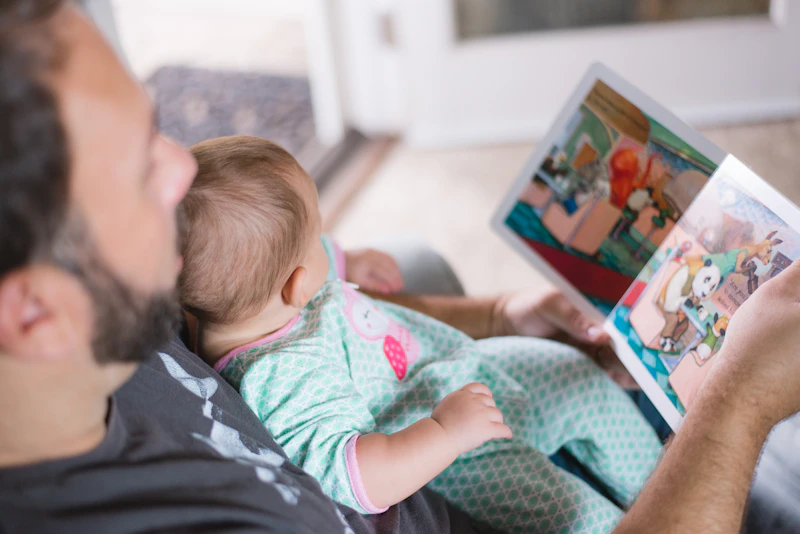
- Storytime: Read books about cleanliness. Favorites include “Germs Are Not for Sharing” and “Brush, Brush, Brush!”
- Choice: Let your child choose their own soap, toothbrush, towel, or bath toys.
- Charts and Stickers: Use reward charts for completed routines.
- Role Play: Pretend to be doctors, dentists, or superheroes fighting germs.
Modeling and Consistency: The Parent’s Role
Children learn by watching adults. Be a hygiene hero in your own routines:
- Wash your hands together.
- Brush your teeth alongside your child.
- Make bath time a special, shared activity.
Consistency is the secret ingredient. Set regular times for hygiene routines, and gently remind your child when they forget. Patience and positivity go a long way!
Adapting Hygiene Habits for Preschool Development
Preschoolers are still developing fine motor skills and autonomy. Adapt routines to match their abilities:
- Step Stools: Help your child reach sinks and mirrors.
- Easy-to-use Products: Choose pump soap and child-sized toothbrushes.
- Visual Guides: Use picture charts for step-by-step instructions.
- Practice: Let your child try each step themselves, even if it’s imperfect.
Common Challenges and How to Overcome Them
Hygiene learning isn’t always smooth sailing. Here’s how to tackle the most frequent hurdles:
Resisting Routines
Some kids don’t want to stop playing for handwashing or baths. Try:
- Making routines part of transitions (e.g., "First we wash hands, then snack time!")
- Giving choices (“Would you like to use the blue soap or the green soap?”)
- Using positive reinforcement (“Great job washing your hands! Here’s a sticker.”)
Fear of Water or Toothbrushing
- Start slow and make activities playful.
- Let your child help fill the tub or choose bath toys.
- Use a favorite stuffed animal to demonstrate brushing.
- Celebrate small efforts and gradually build comfort.
Forgetfulness
- Use visual cues like charts or timers.
- Repeat routines at the same time each day.
- Offer gentle reminders (“What do we do after using the bathroom?”)
Hygiene Habits at Preschool and Playdates
Preschoolers spend hours in group settings—where germs love to mingle! Work with your child’s teachers and caregivers to reinforce hygiene routines:
- Ask about hygiene policies at preschool.
- Provide hand sanitizer and wipes for playdates.
- Remind your child about handwashing and covering coughs before social activities.
When to Seek Help
Most hygiene hiccups are normal, but if your child shows signs of persistent avoidance, skin issues, or dental concerns, consult your pediatrician or dentist. Early intervention makes a big difference!
Building Lifelong Wellness: The Big Picture
Hygiene habits for preschool children are more than just daily routines—they’re building blocks for a healthy, confident future. As you nurture your child’s self-care skills, you’re investing in their physical health, social success, and emotional well-being.
Conclusion
With patience, creativity, and consistency, hygiene routines can become enjoyable moments of connection and learning. Model good habits, celebrate progress, and remember: every clean hand, sparkling tooth, and healthy smile brings your preschooler one step closer to lifelong wellness.
Frequently Asked Questions
- What hygiene habits should preschool children learn?
- Preschool children should learn handwashing, oral hygiene (brushing teeth), bathing, nail care, covering coughs and sneezes, and proper bathroom routines.
- How can I make hygiene routines fun for my preschooler?
- Use songs, stories, colorful tools, and games to engage your child. Let them choose their own soap, toothbrush, or towels and celebrate successes with praise or stickers.
- How often should preschoolers wash their hands?
- Preschoolers should wash their hands before eating, after using the restroom, after playing outside, and whenever their hands are visibly dirty.
- What if my child resists hygiene routines?
- Stay patient and consistent. Use positive reinforcement, model the behavior yourself, and involve your child in making routines fun and manageable.