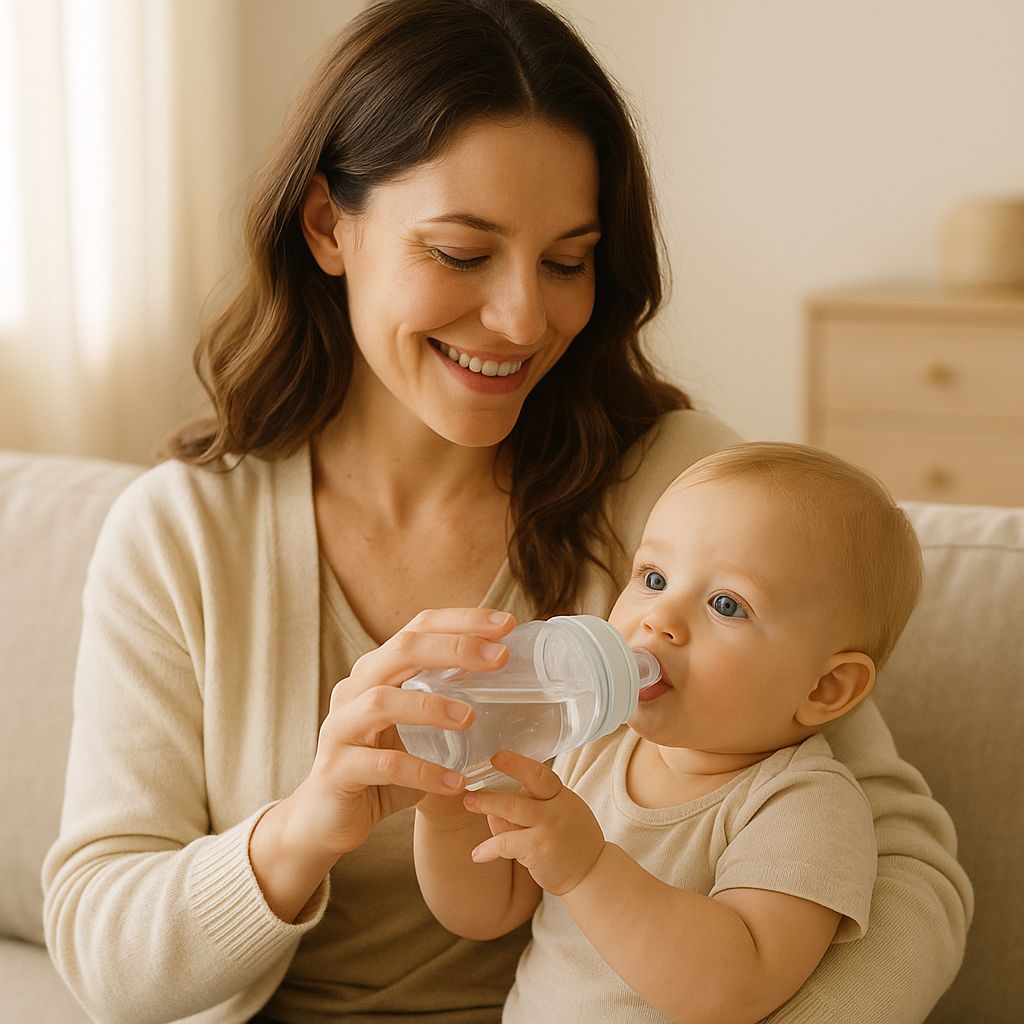

Hydration Tips for Babies: Keeping Your Little One Happy & Healthy
As parents, we all want our little ones to grow strong, healthy, and happy. One crucial aspect that sometimes gets overlooked is hydration. Babies, much like adults, need proper hydration for their bodies and brains to function optimally. But how do you ensure your baby is getting enough fluids? And when is it appropriate to introduce water? In this friendly and comprehensive guide, we’ll answer all your questions and offer expert hydration tips for babies at every stage.
Why Is Hydration Important for Babies?
Water makes up a large portion of your baby’s body—about 75% at birth! Hydration is essential for:
- Regulating body temperature
- Transporting nutrients
- Digesting food
- Eliminating waste
- Promoting healthy skin and organs
Babies’ bodies are less efficient at conserving water, and they have higher metabolic rates, which means they can lose fluids more quickly than adults. Proper hydration is especially vital during illness, hot weather, or periods of increased activity.
Hydration for Newborns (0-6 Months): Do Babies Need Water?
The golden rule for newborns: No water before 6 months old. Breast milk or infant formula supplies all the hydration a baby needs, even in hot climates. Here’s why:
- Breast milk and formula are over 80% water, providing both nutrition and hydration.
- Giving water to infants under 6 months can dilute their sodium levels, leading to water intoxication—a dangerous condition.
- Water can fill tiny tummies, reducing appetite for the nutrient-rich milk they need to grow.
Only offer water before 6 months if specifically instructed by your pediatrician.
How Often Should I Feed My Baby?
On average, newborns feed every 2-3 hours. Frequent feeding ensures your baby gets enough fluids. Wet diapers (about 6-8 per day) are a good sign your baby is hydrated.
Signs of Dehydration in Babies
Babies can become dehydrated quickly. Watch for these warning signs:
- Fewer than 6 wet diapers in 24 hours
- Dark yellow urine
- Dry mouth or cracked lips
- Sunken soft spot (fontanelle) on the head
- Sunken eyes
- Lethargy or irritability
- No tears when crying
If you notice these symptoms, contact your pediatrician immediately. Severe dehydration can be life-threatening in infants.
Hydration Tips for Babies Starting Solids (6+ Months)
Once your baby hits the 6-month mark and starts eating solids, a small amount of water can be introduced. Here’s how to do it safely:
How Much Water Should I Offer?
- Start with a few sips of water (2-4 ounces/60-120 ml) a day, offered in a sippy cup or open cup at mealtimes.
- Continue to prioritize breast milk or formula as the main source of hydration and nutrition until 12 months.
Best Practices for Baby Hydration
- Offer water with meals of solids, especially if foods are starchy or dry (like rice cereal or crackers).
- Don’t force your baby to drink water—respect their cues and appetite.
- Use child-safe, open-top or straw cups to help develop drinking skills.
- Avoid sugary drinks, juices, or flavored waters; these can be harmful to tiny teeth and may cause digestive issues.
Hydrating Foods for Babies
Many first foods are naturally rich in water and can help keep your baby hydrated. Great options include:
- Watermelon
- Cucumber (peeled and cut appropriately)
- Pears
- Oranges (in small, manageable pieces and only after 8 months due to acidity)
- Zucchini
- Applesauce
Always introduce new foods one at a time and watch for any allergic reactions. Remember, these foods supplement—not replace—breast milk or formula as the primary source of hydration for babies under 12 months.
Hydration in Hot Weather, During Illness, or When Active
Babies can quickly lose fluids from sweat, fever, vomiting, or diarrhea. Here’s how to keep them hydrated during these times:
- Feed more frequently: Offer breast milk or formula more often.
- Keep cool: Dress your baby in light clothing and avoid peak heat hours.
- Monitor diapers: Check for signs of dehydration more closely.
- Follow your doctor’s advice: For vomiting, diarrhea, or fever, your pediatrician may recommend oral rehydration solutions made specifically for babies.
Common Myths About Baby Hydration
- Myth: Babies need extra water in hot weather.
Fact: Breast milk or formula alone is sufficient for babies under 6 months, even in hot climates. - Myth: Juice is a good way to hydrate babies.
Fact: Juice is not recommended for infants. It can cause digestive upset and tooth decay. - Myth: Adding extra water to formula is safe.
Fact: Always mix formula exactly as directed. Too much water can dilute essential nutrients and harm your baby.
Practical Tips for Parents: Making Hydration Easy
- Keep a feeding and diaper log, especially in the early months. This helps you track hydration and spot any changes quickly.
- Offer water in a fun, colorful cup once your baby is ready—many babies love the novelty!
- If your baby rejects water at first, don’t stress. Keep offering without pressure, and let them explore at their own pace.
- Involve older siblings in hydration routines to model healthy habits for your little one.
When to Call the Doctor
Immediate medical attention is needed if your baby:
- Shows signs of severe dehydration (no wet diapers for 8 hours, sunken fontanelle, lethargy)
- Has persistent vomiting or diarrhea
- Is refusing feeds and seems unwell
Trust your instincts—if you’re concerned, it’s always best to check with your healthcare provider.
Frequently Asked Questions
- Can I give my newborn water?
- No, newborns under 6 months should not be given water. Breast milk or formula supplies all the hydration they need and introducing water can disrupt their electrolyte balance.
- How do I know if my baby is dehydrated?
- Signs include fewer wet diapers, dry mouth, sunken eyes, lethargy, and crying without tears. If you notice these signs, contact your pediatrician immediately.
- When can babies start drinking water?
- Babies can generally start having small sips of water after 6 months, alongside breast milk or formula, particularly when starting solid foods.
- How much water should my baby drink after 6 months?
- Start with a few sips at meal times (about 2-4 ounces per day) and gradually increase as your baby grows and eats more solids. Always consult your pediatrician for personalized advice.
- Are there foods that help keep my baby hydrated?
- Yes! Many fruits and vegetables like watermelon, cucumber, and oranges have high water content and are excellent hydration boosters when your baby starts solids.
Conclusion: Raising a Happy, Hydrated Baby
Hydration is a key pillar of your baby’s health, but it doesn’t have to be stressful. Let your baby guide you with their cues, keep an eye out for warning signs, and prioritize breast milk or formula in the first year. When in doubt, your pediatrician is your best resource. Here’s to happy, healthy, and well-hydrated little ones!
For more expert parenting advice and tips, explore our Health & Wellness section on Growing Giggles.