
How Traveling Strengthens the Parent-Child Bond
Traveling is often viewed as a way to escape routine, explore new horizons, and create lifelong memories. However, its impact extends far beyond sightseeing and adventure. For families, travel is a powerful catalyst for strengthening relationships and deepening the parent-child bond. In today's fast-paced world, finding quality time together is increasingly challenging. Travel offers an intentional, immersive solution—providing shared experiences, fostering communication, and nurturing emotional growth. This article explores the transformative effects of travel on parent-child relationships and provides expert insights for maximizing these benefits.
Why Parent-Child Bond Matters
The parent-child bond forms the foundation of a child's emotional well-being, self-confidence, and capacity for healthy relationships. Strong bonds are associated with higher resilience, better academic outcomes, and improved social skills. In the digital age, distractions and busy schedules can erode opportunities for meaningful connection. Traveling together, away from everyday pressures, allows families to reconnect and reinforce these vital relationships.
Shared Experiences: The Heart of Family Travel
Memories are the glue that bind families. When parents and children share new experiences—whether marveling at ancient ruins, hiking through forests, or tasting unfamiliar foods—they build a unique narrative that belongs only to them. These moments create a sense of belonging and foster mutual understanding. According to child development experts, shared adventures promote empathy, cooperation, and a sense of security in children.
Storytelling and Memory-Making
Travel provides rich material for storytelling. Recalling funny mishaps, awe-inspiring sights, or cultural discoveries strengthens family identity. Children love retelling stories from trips, and parents gain insight into their child's perspectives. This ongoing dialogue reinforces the bond long after the journey ends.
Overcoming Challenges Together
Traveling isn't always smooth sailing. Navigating unfamiliar airports, adjusting to new routines, and handling unexpected hiccups require teamwork. Facing challenges together teaches children problem-solving, adaptability, and perseverance. Parents model resilience and positive coping strategies, which children internalize and apply to other areas of life.
Teamwork and Communication
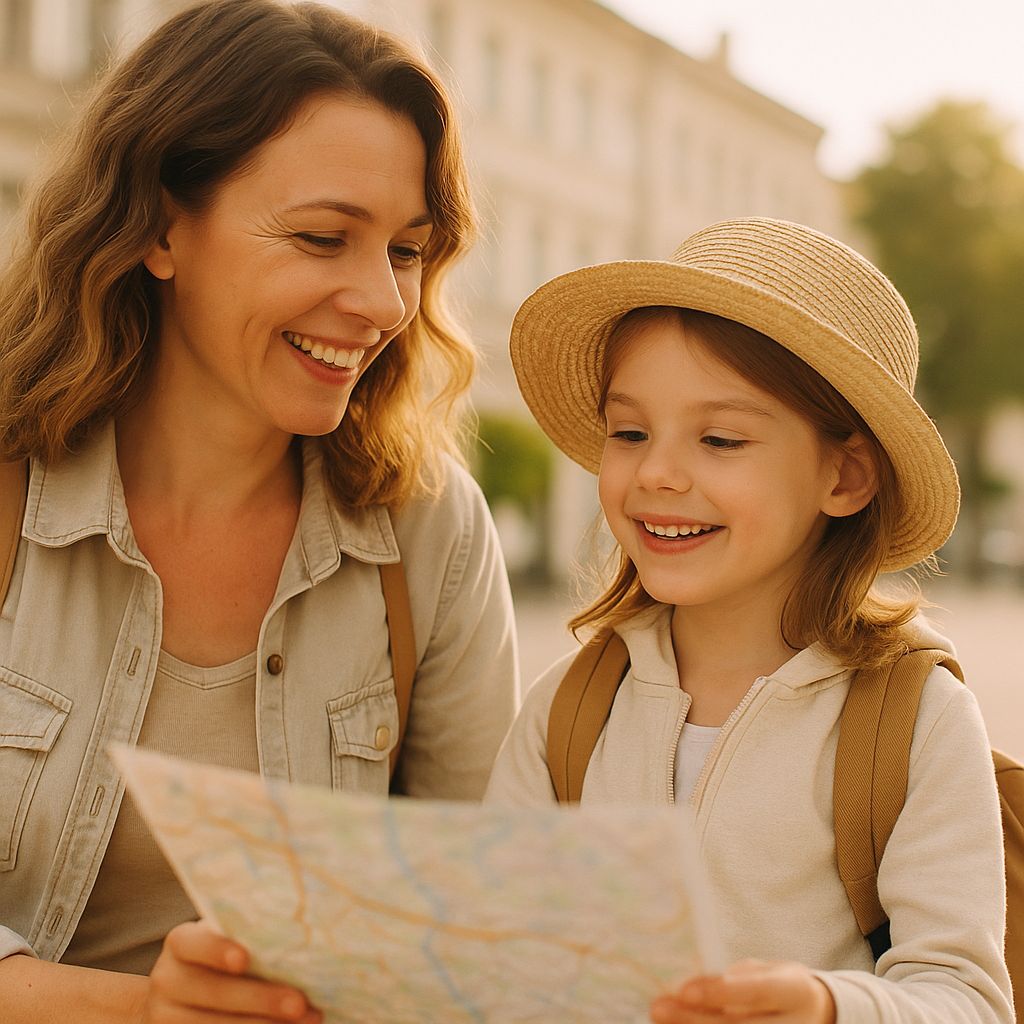
From mapping out routes to negotiating activity choices, travel encourages family members to collaborate. Parents and children learn to listen, compromise, and support each other. These skills are essential for healthy relationships and can be cultivated through the shared problem-solving inherent in travel.
Quality Time: Unplugged and Present
One of the greatest gifts travel offers is uninterrupted, quality time. Away from work emails, school assignments, and household chores, families can be truly present with one another. This undistracted time allows for deeper conversations and emotional connection.
Building Trust and Security
Traveling together instills trust and a sense of security. Children feel valued when parents invest time and attention in shared activities. This emotional investment lays the groundwork for open communication and lifelong closeness.
Exposure to New Environments and Growth
Exploring different cultures, landscapes, and customs expands children's horizons and encourages curiosity. Parents serve as guides, helping children interpret new experiences and navigate unfamiliar situations. This shared exploration fosters intellectual growth, empathy, and respect for diversity.
Learning Together
Travel is a hands-on education. Parents and children discover together, ask questions, and solve mysteries. These learning moments are collaborative, making children feel included and valued. Whether studying wildlife, practicing a foreign language, or learning about history, the process of discovery is a bonding experience.
Emotional Development and Resilience
Travel can be emotionally challenging—homesickness, anxiety, or excitement are all part of the journey. Parents help children process these emotions, providing comfort and guidance. This mutual support strengthens emotional bonds and helps children develop resilience.
Handling Discomfort and Growth
Trying new foods, adapting to different sleeping arrangements, or navigating social situations builds confidence. Parents reassure children, celebrate their bravery, and encourage reflection. These experiences teach children that discomfort leads to growth, and that their parents are reliable allies.
Intentional Planning for Maximum Impact
To maximize the bonding potential of travel, intentional planning is key. Consider your child's interests, developmental stage, and comfort level. Involve them in decision-making—choosing destinations, activities, or even packing. This inclusion fosters ownership and excitement.
- Set Realistic Expectations: Accept that not every moment will be perfect. Focus on connection and flexibility.
- Encourage Participation: Let children help plan itineraries, select meals, or document the trip with photos.
- Prioritize Downtime: Balance sightseeing with relaxation. Quiet moments are often the most meaningful.
Practical Tips for Bonding on the Road
- Keep Communication Open: Ask for your child’s opinions and listen to their feedback on activities and experiences.
- Celebrate Small Wins: Whether conquering a hike or trying new food, acknowledge your child’s accomplishments.
- Establish Traditions: Create rituals—such as nightly reflections, postcards, or travel journals—to reinforce connection.
- Capture Moments: Take photos together and use them to spark later conversations.
- Model Adaptability: Show your child how to handle changes in plans gracefully.
Types of Destinations That Foster Bonding
While any travel can strengthen bonds, certain destinations lend themselves to connection:
- Nature Parks: Hiking, camping, and wildlife spotting foster teamwork and shared wonder.
- Cultural Sites: Museums, historical landmarks, and festivals encourage learning and discussion.
- Adventure Activities: Zip-lining, kayaking, or rock climbing build trust and celebrate teamwork.
- Relaxation Retreats: Resorts or quiet beach vacations allow for undistracted time together.
Age Considerations: Adapting Travel to Developmental Stages
- Young Children (Toddlers & Preschoolers): Focus on routine, comfort, and simple exploration. Short trips and familiar environments are best.
- School-Age Children: Encourage participation in planning and exploration. Educational activities and interactive sites are engaging.
- Teenagers: Foster independence, involve them in decision-making, and allow space for personal interests.
Addressing Common Concerns
Some parents worry about the logistics and stress of traveling with children. Preparation, flexibility, and realistic expectations are crucial. Remember: the goal is connection, not perfection.
Handling Tantrums and Disagreements
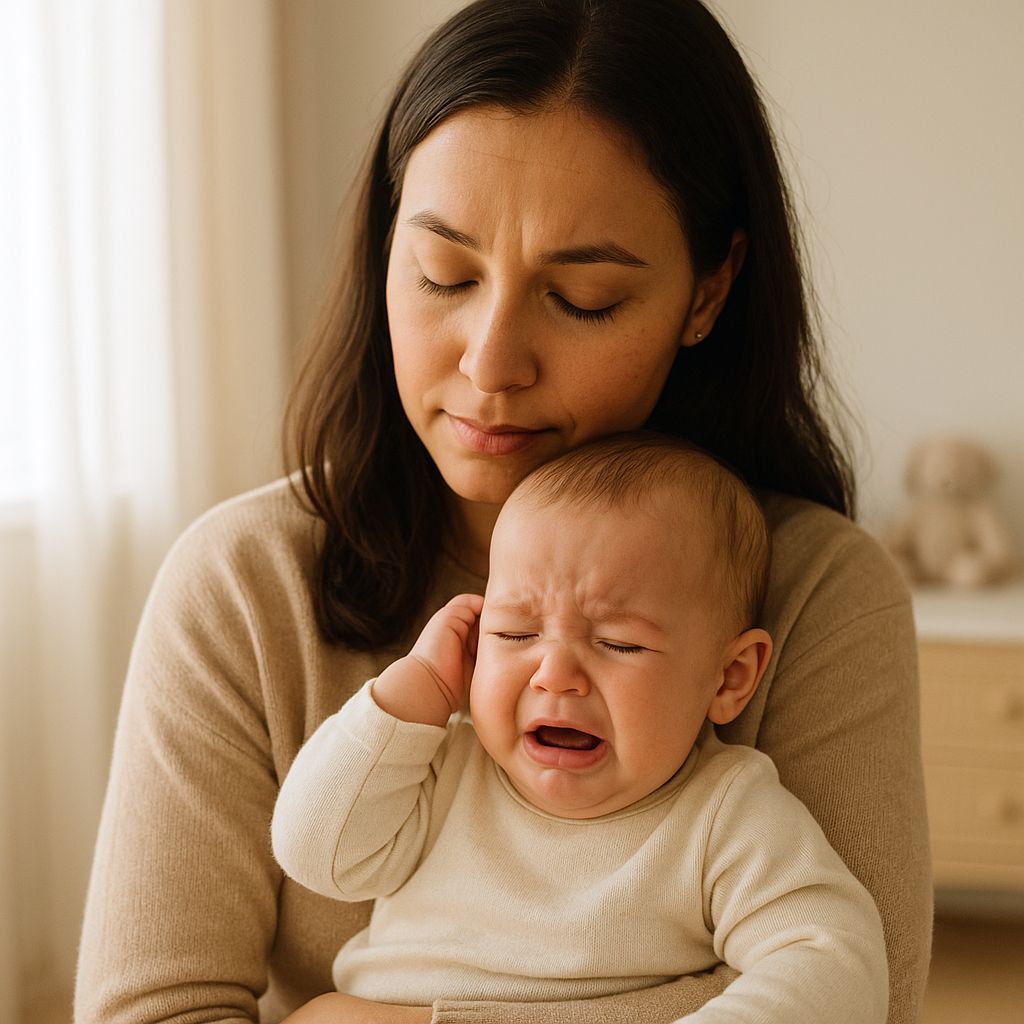
Disputes may arise—especially in unfamiliar settings. Use these moments as opportunities to teach conflict resolution and empathy. Validate your child’s feelings, encourage dialogue, and model calm responses.
Long-Term Benefits of Family Travel
The benefits of travel extend well beyond the trip itself. Children gain confidence, adaptability, and an expanded worldview. Parents and children develop a shared history—a tapestry of memories that strengthens their relationship for years to come.
Conclusion: Investing in Connection
Travel is more than a break from routine; it’s an investment in your family’s emotional health and happiness. By prioritizing shared experiences, overcoming challenges together, and fostering open communication, parents and children build bonds that withstand the tests of time and distance. Whether exploring distant lands or venturing to nearby parks, the journey itself is the reward. Plan intentionally, embrace the adventure, and watch your parent-child relationship flourish.
Frequently Asked Questions
- How does traveling benefit the parent-child relationship?
- Traveling promotes quality time, shared experiences, and opportunities for learning together, all of which strengthen the parent-child bond.
- What age is best for traveling with children?
- Children of all ages can benefit from travel, but trip planning should consider developmental stages and interests to maximize the experience.
- How can parents prepare for a successful family trip?
- Involving children in planning, setting realistic expectations, packing thoughtfully, and allowing flexibility all contribute to a positive family travel experience.
- Are there specific types of destinations that enhance bonding?
- Destinations that encourage exploration, teamwork, and shared activities—such as nature parks, cultural sites, or interactive museums—tend to foster bonding.