
How Toddlers Develop Motor Skills: A Parent’s Guide to Supporting Growth
Watching your toddler learn to walk, run, and manipulate objects is one of the most exciting parts of parenting. These milestones are more than just adorable moments—they’re evidence of your child’s rapidly developing motor skills. Understanding how toddlers develop motor skills can help you support their growth, confidence, and independence. In this comprehensive guide, we’ll explore the stages of motor skill development, practical ways to nurture your toddler’s abilities, and fun activities to encourage movement and coordination.
What Are Motor Skills?
Motor skills are abilities that allow us to move and control our bodies. For toddlers, these skills are split into two main categories:
- Gross motor skills: Involve large muscle groups and movements such as walking, running, jumping, climbing, and balancing.
- Fine motor skills: Involve smaller, more precise movements, such as grasping, picking up small objects, drawing, and manipulating toys.
Both types of motor skills are essential for independence, play, learning, and everyday tasks.
The Stages of Motor Skill Development in Toddlers
Motor skill development doesn’t happen overnight. Let’s break down the typical stages for children aged 1-3:
- 12-18 Months: Most toddlers begin walking independently. They may enjoy pushing toys, pulling objects, and scribbling with crayons. Their grip is still immature, but they love exploring!
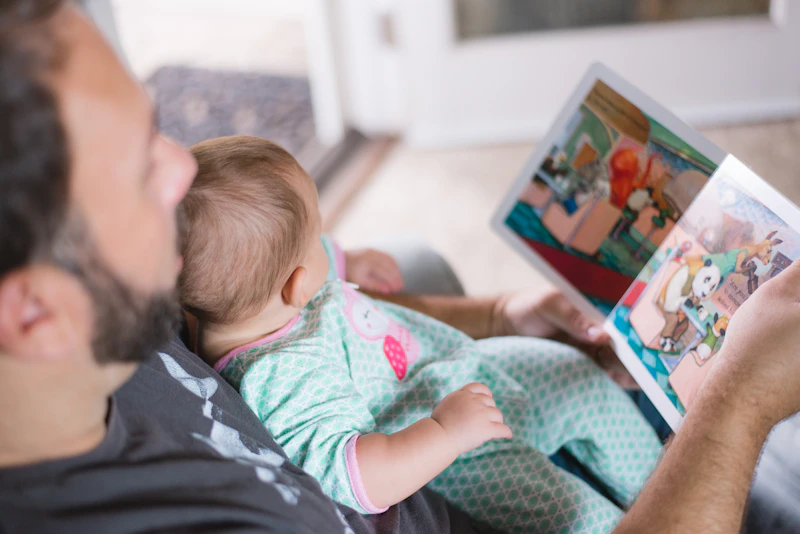
- 18-24 Months: Toddlers start running, climbing on furniture, and throwing balls. Fine motor skills begin to refine as they turn pages in books and stack blocks.
- 24-36 Months: Jumping, kicking, and more controlled running emerge. Fine motor activities become more sophisticated—toddlers can feed themselves with a spoon, build taller block towers, and start drawing shapes.
Every child is unique, so there’s a range for when milestones are reached. The important thing is consistent progress.
Gross Motor Skills: Building Big Movements
Gross motor skills are the foundation for physical play and exploration. Here’s how you can support your toddler:
1. Make Room for Movement
Create a safe, open space at home where your toddler can move freely. Soft mats, pillows, and child-proofed rooms encourage crawling, walking, and tumbling.
2. Outdoor Play
Nature is the best playground! Encourage running, climbing, jumping, and balancing on different surfaces. A simple trip to the park or backyard offers endless opportunities for gross motor practice.
3. Obstacle Courses
Build a mini obstacle course using cushions, boxes, and blankets. Challenge your toddler to crawl under, climb over, and jump around. This not only improves movement but also boosts problem-solving skills.
4. Dancing and Music
Turn on some tunes and dance together! Dancing encourages coordination, balance, and rhythm while keeping things fun.
Fine Motor Skills: Mastering Precision
Fine motor skills are crucial for self-care and learning. Here’s how to help your toddler refine these abilities:
1. Arts and Crafts
Offer crayons, markers, and finger paints. Encourage scribbling, drawing, and coloring. Simple crafts like tearing paper, gluing, and sticking stickers build finger strength and coordination.
2. Building and Manipulating
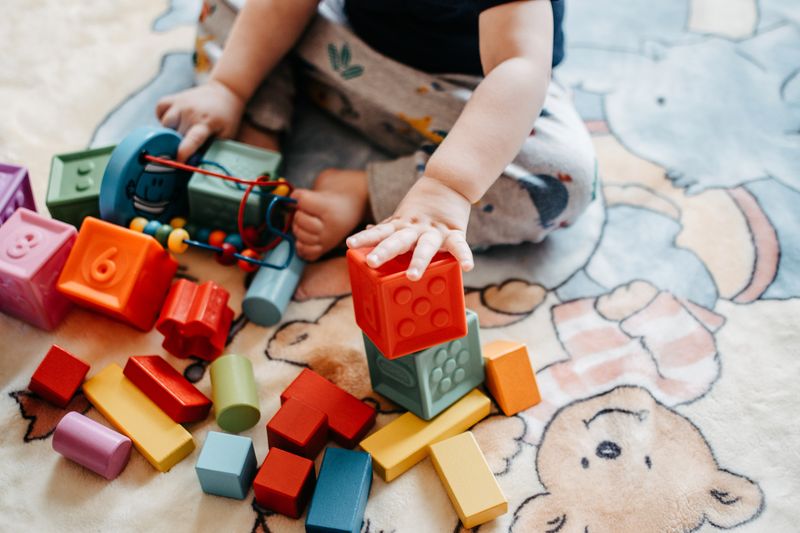
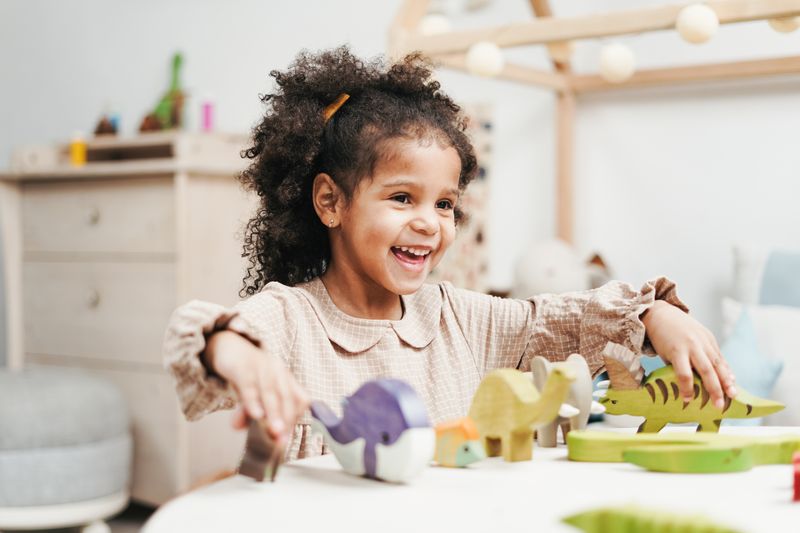
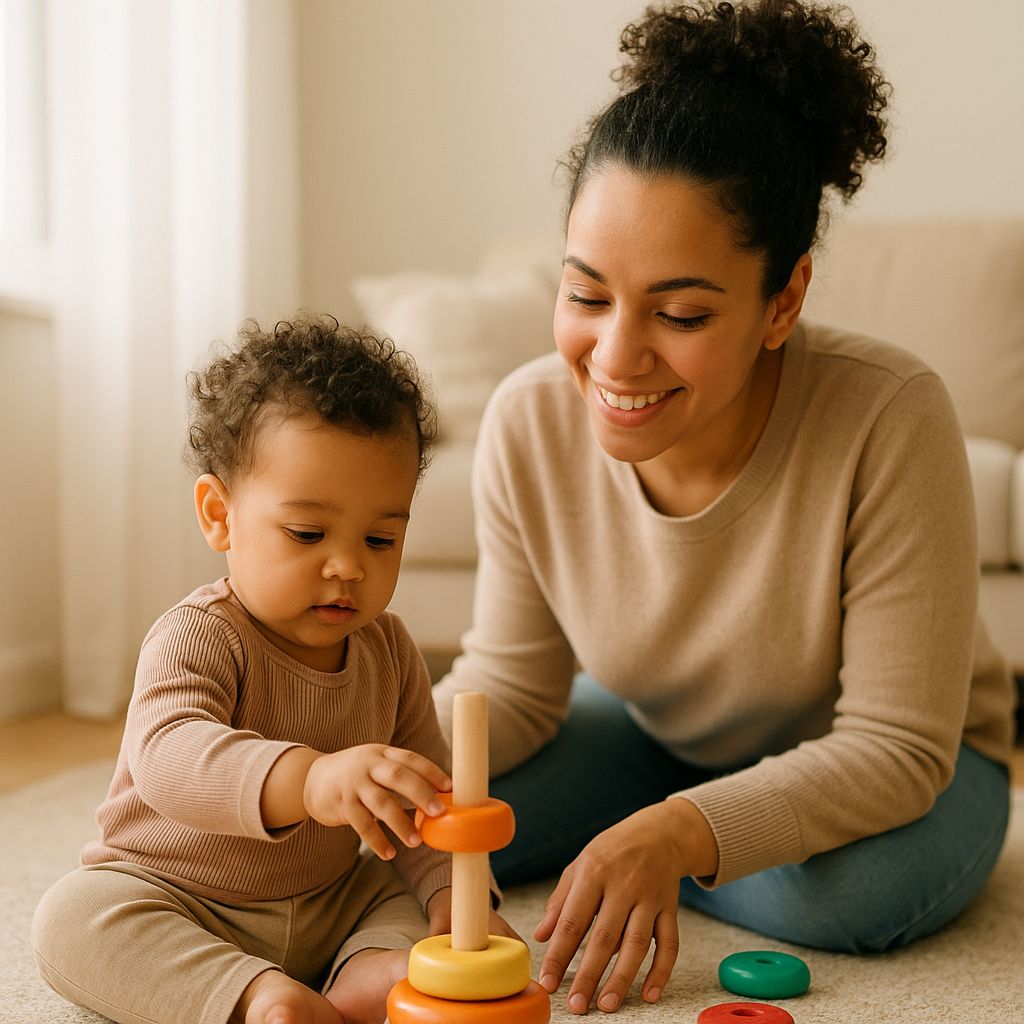
Provide blocks, puzzles, and stacking toys. Threading large beads or playing with shape sorters challenges your toddler’s grip and precision.
3. Everyday Tasks
Invite your toddler to help with simple chores, such as stirring batter, pouring water, or picking up small objects. These everyday moments are perfect for practicing fine motor skills.
4. Self-Feeding
Let your toddler use a spoon, fork, or even their fingers at mealtime. Messes are part of the process, and they’re learning valuable hand-eye coordination.
Recognizing Motor Milestones
Tracking your toddler’s motor milestones helps ensure healthy development. Here are some common milestones (with approximate timelines):
- Walking independently: 12-15 months
- Running: 18-24 months
- Jumping: 24-30 months
- Climbing: 18-24 months
- Stacking blocks: 15-24 months
- Drawing simple shapes: 24-36 months
- Feeding themselves: 18-24 months
If your child is significantly behind these milestones, it’s wise to consult your pediatrician. Remember, some variation is normal!
Why Motor Skills Matter
Motor skill development isn’t just about movement—it’s linked to cognitive, social, and emotional growth:
- Independence: Mastering motor skills lets toddlers feed themselves, dress, and explore their environment.
- Confidence: Achieving new milestones boosts self-esteem and encourages curiosity.
- Learning: Many early learning activities—drawing, building, playing—require motor skills.
- Social Interaction: Playing with peers, sharing toys, and participating in group activities all rely on motor abilities.
Supporting Your Toddler’s Motor Skill Development
Parents play a crucial role in nurturing motor skills. Here’s how you can help:
1. Provide Varied Play Opportunities
Offer a mix of indoor and outdoor activities. Rotate toys and introduce new challenges regularly to keep things exciting.
2. Encourage Exploration
Let your toddler try new movements, even if they’re wobbly or messy. Praise effort, not just success!
3. Create a Safe Environment
Child-proof your space, so your toddler can move freely and safely. Remove hazards and offer soft surfaces for falls.
4. Join in the Play
Get down on the floor and play together. Your involvement encourages confidence and builds strong bonds.
5. Be Patient
Motor skills take time to develop. Celebrate progress, and avoid comparing your child to others.
Fun Activities to Boost Motor Skills
Here are some engaging activities for toddlers to encourage both gross and fine motor development:
- Obstacle Course: Use pillows, boxes, and chairs for climbing and crawling.
- Dancing: Play music and move together—try freeze dance!
- Building with Blocks: Stack, knock down, and rebuild.
- Throw and Catch: Use soft balls for tossing and catching.
- Finger Painting: Messy and fun—perfect for fine motor skills.
- Threading Beads: Large beads and shoelaces are great for hand-eye coordination.
- Simple Chores: Let your toddler help with sorting laundry or stirring batter.
- Nature Walks: Collect leaves, jump in puddles, climb small hills.
When to Seek Help
If you notice your toddler consistently missing motor milestones, struggling with coordination, or losing previously acquired skills, it’s important to discuss your concerns with your pediatrician. Early intervention can make a big difference.
Screen Time and Motor Skills
While some educational apps may be fun, nothing replaces hands-on, physical play for developing motor skills. Limit screen time and prioritize active exploration.
FAQs About Toddler Motor Skill Development
- What are the main types of motor skills in toddlers?
Gross motor skills involve large movements like walking, jumping, and climbing, while fine motor skills involve smaller, precise actions such as picking up small objects or drawing. - How can I encourage motor skill development in my toddler?
Offer varied play opportunities, praise efforts, create a safe environment, and provide age-appropriate toys and activities. - When should I be concerned about my toddler’s motor development?
If your toddler consistently misses motor milestones or loses skills, consult your pediatrician. - Are screen-based activities helpful for motor skill development?
Physical, hands-on activities are best. Screen time should not replace active play. - What are some fun activities to boost motor skills?
Obstacle courses, dancing, building with blocks, finger painting, and threading beads are all great options.
Conclusion
Motor skills are the building blocks for your toddler’s independence, learning, and confidence. By understanding the stages of development and offering supportive, playful opportunities, you’ll help your child move, explore, and grow in leaps and bounds. Remember, every child develops at their own pace—so enjoy the journey, celebrate progress, and cherish those wobbly first steps.
If you’re ever concerned about your child’s motor skill development, your pediatrician is your best resource. Otherwise, keep supporting, playing, and giggling together!