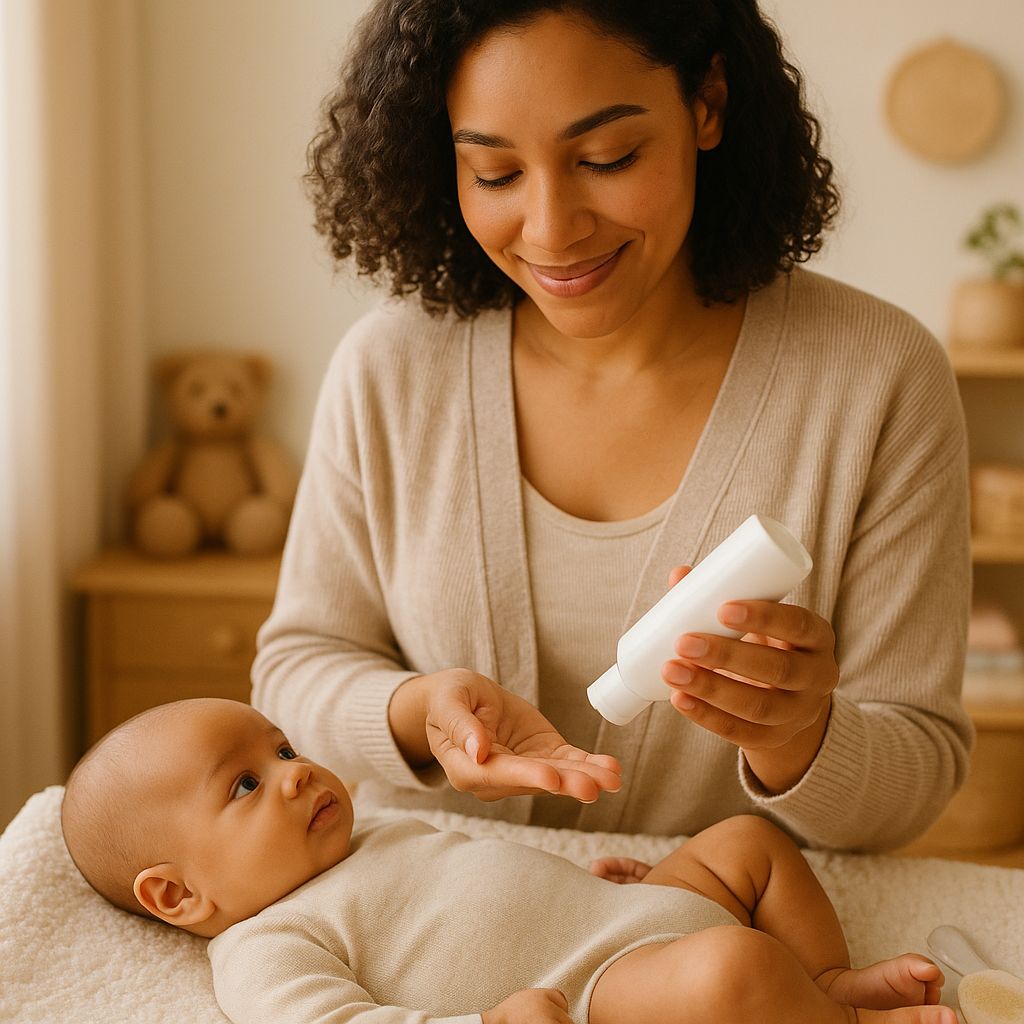

How to Use Baby Essentials Safely and Effectively
Welcoming a new baby is a joyful experience, but it also comes with a whirlwind of decisions, especially when choosing and using baby essentials. From cribs and car seats to bottles and bath time tools, every item your baby uses should be safe, clean, and properly maintained. This comprehensive guide will walk you through the safe and effective use of baby essentials, ensuring your little one's well-being and your peace of mind.
Why Baby Essentials Safety Matters
Babies are curious explorers with developing immune systems and motor skills. Everyday items, if not used properly, can pose risks. Understanding how to use baby gear safely protects your child from potential hazards, such as suffocation, choking, tipping, or chemical exposure. By following expert advice and staying informed, you create a nurturing environment where your baby can thrive.
Safe Use of Sleep Essentials
Choosing a Safe Crib or Bassinet
- Certification: Select cribs and bassinets that meet the latest safety standards (e.g., JPMA or ASTM certified).
- Assembly: Follow the manufacturer's instructions step by step. Tighten all screws and regularly check for loose hardware.
- Mattress Fit: The mattress should fit snugly with no more than two fingers' width between the mattress and crib sides.
- Avoid Extras: Keep the sleep area free of pillows, blankets, stuffed animals, and bumper pads to reduce suffocation risk.
Safe Sleep Practices
- Back to Sleep: Always place your baby on their back for naps and overnight sleep.
- Room Sharing: The AAP recommends room-sharing (not bed-sharing) for at least the first 6-12 months.
- Temperature: Dress your baby appropriately and keep the room at a comfortable temperature to prevent overheating.
Feeding Equipment: Bottles, Pumps, and High Chairs
Bottle Safety
- Use BPA-free bottles and nipples designed for your baby's age and feeding needs.
- Inspect nipples for cracks or wear and replace them every 2-3 months or sooner if needed.
- Sterilize bottles before first use and clean thoroughly after each feeding.
Breast Pump Hygiene
- Wash hands before handling pump parts.
- Disassemble and clean all parts that come into contact with milk after every use, per manufacturer instructions.
- Store expressed milk in sterile containers and refrigerate promptly.
High Chair Safety
- Choose a sturdy high chair with a wide base and safety harness.
- Never leave your baby unattended in a high chair.
- Lock wheels (if any) and keep the high chair away from walls or counters to prevent tipping.
Travel Gear: Car Seats, Strollers, and Carriers
Car Seat Safety
- Always use a car seat appropriate for your child's age, weight, and height.
- Read both your car seat and vehicle manuals for proper installation.
- The seat should not move more than an inch side-to-side or front-to-back.
- Keep your child rear-facing as long as possible, as recommended by safety guidelines.
- Register your car seat to receive recall notifications and updates.
Stroller Safety
- Ensure the stroller locks securely before placing your child inside.
- Always buckle the harness.
- Don’t hang heavy bags on stroller handles; this can tip the stroller.
- Use brakes whenever you stop.
- Check for recalls on your stroller model periodically.
Baby Carrier Safety
- Choose a carrier that supports your baby’s head and neck, especially for newborns.
- Follow weight and age recommendations.
- Check all buckles and straps before each use.
- Make sure your baby’s face is always visible and airways are clear.
Hygiene and Bathing Essentials
Bath Time Safety
- Always supervise your baby in the bath—never leave them unattended, even for a moment.
- Use a bath thermometer to ensure water is between 37°C and 38°C (98.6°F to 100.4°F).
- Keep all bath supplies within arm’s reach before starting.
- Choose non-slip mats and use baby-specific, gentle bath products.
Diapering and Changing
- Always keep one hand on your baby during diaper changes, especially on elevated surfaces.
- Use diaper creams sparingly and choose fragrance-free, hypoallergenic options.
- Wipe front to back to prevent infections, especially for girls.
- Dispose of diapers promptly and wash hands well after each change.
Safe Use of Baby Toys and Play Equipment
Age-Appropriate Toys
- Choose toys labeled for your baby’s age group.
- Inspect toys for loose parts, sharp edges, or small components that could be choking hazards.
- Clean toys regularly and follow manufacturer washing instructions.
Play Mats and Gyms
- Set up play mats on a flat surface away from stairs or sharp furniture.
- Remove any broken or damaged parts immediately.
- Supervise tummy time and play sessions, especially with hanging toys.
Staying Up to Date: Recalls and Product Registration
Register all major baby gear with manufacturers to receive timely recall information. Regularly check safety websites (such as the U.S. CPSC or Health Canada) for the latest updates. If you discover a recall, stop using the product immediately and follow the manufacturer’s instructions for repair, replacement, or refund.
General Tips for Safe and Effective Use
- Read and keep all instruction manuals.
- Regularly inspect gear for wear, missing parts, or damage.
- Store small items, batteries, and sharp objects well out of reach.
- Wash hands before preparing bottles, food, or handling your baby’s essentials.
- Label and organize gear to ensure everyone in the household knows how to use it properly.
When to Upgrade or Replace Baby Essentials
Babies grow quickly, and outgrowing or wearing out gear is inevitable. Replace items when your child exceeds weight or height limits, when gear is damaged, or when safety standards change. Donate or recycle old gear responsibly—never pass along recalled or broken items.
Conclusion
Using baby essentials safely and effectively is a journey that evolves as your child grows. By choosing quality products, following all safety instructions, and staying informed about recalls, you give your baby a secure foundation from the very start. Trust your instincts, ask questions, and reach out to healthcare professionals or child safety experts if you ever have concerns about baby gear. Your commitment to safety is a gift your child will benefit from for a lifetime.
Frequently Asked Questions
- How can I check if my baby essentials have been recalled?
- Visit official safety websites like the Consumer Product Safety Commission (CPSC) or Health Canada. Register products with manufacturers to receive recall notifications.
- Is it safe to buy or use second-hand baby gear?
- Second-hand baby gear can be cost-effective, but always check for recalls, missing parts, or damage. Avoid used car seats unless you know the full history.
- How often should I clean baby essentials?
- Clean baby bottles, pacifiers, and feeding equipment after each use. Wash bedding weekly and sanitize toys regularly, especially if shared or dropped on the floor.
- What should I do if a toy or gear breaks?
- Immediately remove the broken item from your baby's environment and repair or properly dispose of it. Broken gear can pose serious safety risks.