
How to Soothe a Baby to Sleep Naturally: Gentle Strategies for Restful Nights
As parents, few things tug at our hearts more than hearing our little one fuss at bedtime. Navigating the world of baby sleep can be overwhelming, especially with so much advice and so many products claiming to guarantee a full night's rest. Yet, many families discover that the simplest, most natural methods are also the most effective. In this comprehensive guide, we'll explore gentle, expert-recommended strategies to soothe a baby to sleep naturally—helping your child (and you!) get the rest you both need.
Understanding Your Baby’s Sleep Needs
Every baby is unique, but most newborns require between 14 and 17 hours of sleep per day, gradually consolidating rest into nighttime sleep as they grow. The key to supporting healthy sleep is understanding your baby’s cues and rhythms. Look for signs of sleepiness, such as rubbing eyes, yawning, or becoming fussy. Responding to these early signals can help your baby settle more easily, preventing overtiredness (which often leads to more difficulty falling asleep).
Establishing a Consistent Bedtime Routine
Babies thrive on predictability. A consistent bedtime routine signals that sleep is near and helps your baby feel secure. Consider incorporating calming activities such as:
- Warm bath: The warmth and gentle water movement can be soothing.
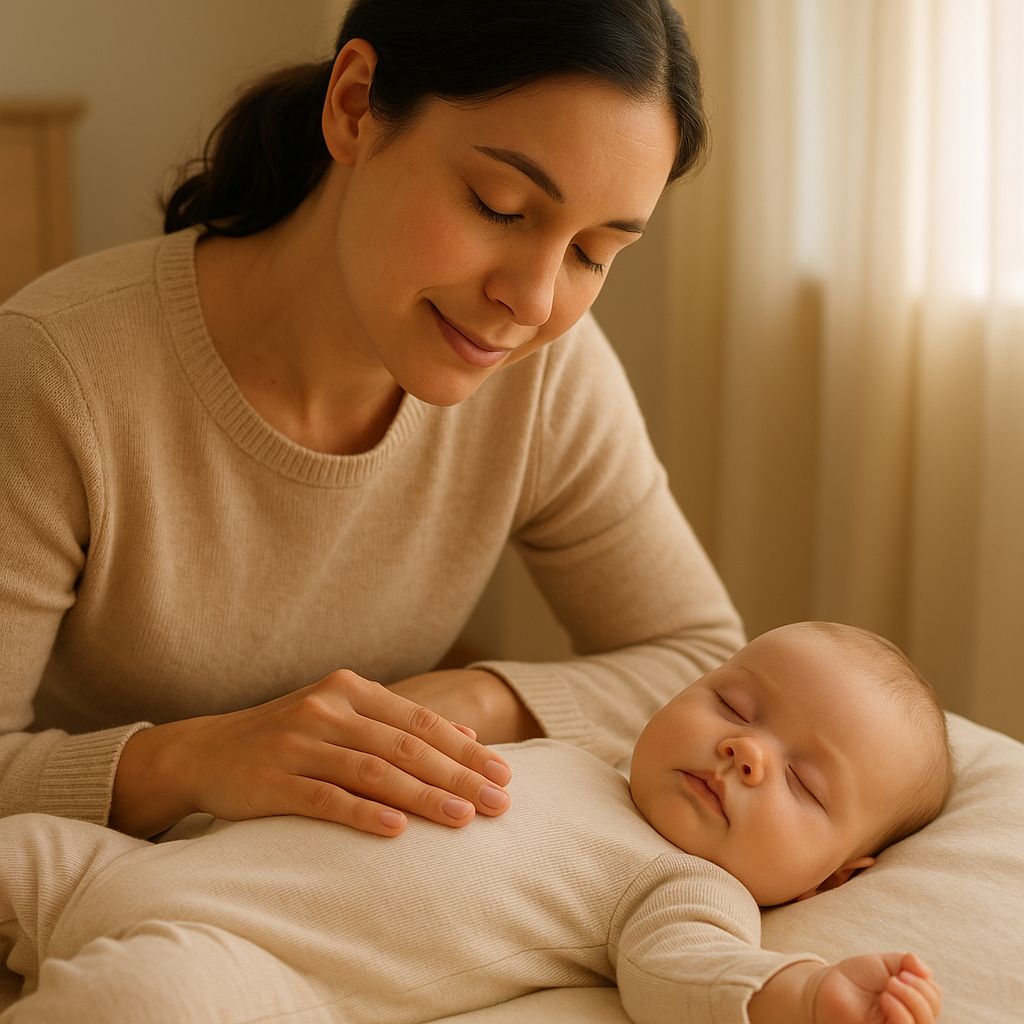
- Gentle massage: Use soft, slow strokes with baby-safe lotion to relax muscles.
- Storytime: Even newborns enjoy the sound of your voice during a quiet story.
- Soft singing or lullabies: Familiar tunes provide comfort and a cue for sleep.
- Dim lighting: Lower the lights to signal that it’s time to wind down.
Sample Bedtime Routine
Bath → Pajamas → Gentle Massage → Book → Lullaby → Cuddle → Lay Down Drowsy
Creating a Calm Sleep Environment
The right environment makes it easier for babies to drift into dreamland. Consider these tips for a naturally soothing sleep space:
- Room temperature: Keep the room comfortably cool (68-72°F/20-22°C).
- Darkness: Use blackout curtains to block out stimulating light.
- White noise: A gentle sound machine or fan can mimic the womb’s comforting noises and block out household disruptions.
- Safe sleep space: Follow safe sleep guidelines: a firm, flat mattress with no loose bedding, pillows, or toys.
Tip: Consider using a swaddle for newborns (if they haven’t started rolling over), as it can recreate the snugness of the womb and help babies feel secure.
Gentle, Natural Soothing Techniques
When your baby is restless, gentle touch and calming sounds can work wonders. Here are some tried-and-true, natural techniques:
1. Responsive Rocking or Swaying
Holding your baby close and gently swaying, rocking, or bouncing can be reminiscent of the movements they experienced before birth. Use a rocking chair, birth ball, or simply your arms. Find a rhythm that soothes your child and helps them relax.
2. Comforting Sounds and Music
Soft singing, humming, or playing lullabies can help calm both you and your baby. Some families find that gentle shushing or rhythmic “white noise” (like a fan or dedicated machine) helps babies settle more quickly.
3. Feeding and Cuddling
Some babies need the comfort of a feed before settling down. Whether breastfeeding or bottle-feeding, the act of snuggling close can be deeply soothing. Just be mindful to avoid letting your baby fall asleep with a bottle, which can increase the risk of tooth decay later on.
4. Swaddling (for Newborns)
When done safely, swaddling can help newborns feel secure and prevent the startle reflex from waking them. Always use a lightweight, breathable cloth and stop swaddling once your baby shows signs of rolling over.
5. Gentle Touch and Infant Massage
Gentle stroking, patting, or a calming infant massage can help release tension and encourage sleep. Use slow, gentle movements and always watch your baby's cues for comfort.
Understanding and Responding to Sleep Cues
Babies often communicate their sleep needs subtly. Watch for these signs:
- Yawning
- Rubbing eyes or ears
- Fussiness or whining
- Looking away from stimulation
Try to begin your soothing routine at the first signs of tiredness, rather than waiting until your baby is overtired and harder to settle.
Daytime Habits for Better Nighttime Sleep
Supporting your baby’s sleep naturally starts in the daytime. Consider these gentle strategies:
- Plenty of natural light: Expose your baby to daylight during waking hours to help regulate their circadian rhythm.
- Regular naps: Respect your baby’s need for daytime sleep. Overtired babies may struggle more at night.
- Active play: Offer age-appropriate activity and interaction to help your baby build healthy sleep pressure.
- Calm transitions: As bedtime approaches, reduce stimulation and opt for quiet, calming play.
What to Do When Baby Won’t Settle
Even with the best routines, all babies have nights when sleep is elusive. If your baby is struggling to settle, try the following:
- Check for discomfort: Ensure your baby isn’t too hot, cold, hungry, or in need of a diaper change.
- Offer comfort: Hold, cuddle, or walk with your baby to provide reassurance.
- Stay calm: Babies are sensitive to stress. Your calm presence can help them relax.
- Be patient: Some nights take longer than others. If you need a break, ask a partner or trusted adult for help.
If persistent sleep difficulties arise, or if you notice signs of illness or discomfort, consult your pediatrician for guidance.
Frequently Asked Questions
- What is the best natural way to soothe a baby to sleep?
- The best approach is a combination of a calming bedtime routine, a comfortable sleep environment, and gentle techniques like rocking, swaddling, or singing. Every baby is different, so observe what works best for your child.
- Are sleep aids like white noise machines safe for babies?
- When used at a safe volume and placed away from the crib, white noise machines can be a helpful tool for natural sleep. Avoid loud sounds and keep the device on the lowest effective setting.
- How long does it take for a baby to learn a new sleep routine?
- Most babies adjust to a new routine within 1-2 weeks. Be consistent, gentle, and patient during this transition.
- Is it okay to rock or nurse my baby to sleep?
- Yes, especially in the newborn stage. These are natural, comforting ways to help your baby fall asleep. As your baby grows, you may choose to encourage self-soothing skills gradually.
When to Seek Help
Most sleep struggles are temporary, but if your baby continues to have difficulty sleeping, wakes frequently in distress, or experiences other symptoms (such as feeding problems, poor growth, or breathing difficulties), consult your healthcare provider. Sometimes, underlying issues may need to be addressed.
Final Thoughts: Nurturing Restful Nights—Naturally
Supporting your baby’s sleep is a journey, and every family’s path looks a little different. By focusing on gentle, natural strategies and responding lovingly to your baby’s cues, you’re laying the foundation for healthy sleep—and a strong, secure bond. Remember, it’s okay to ask for help and to give yourself grace on the tough nights. With time, patience, and love, restful nights will come.
If you found these tips helpful, explore more sleep advice and parenting support at Growing Giggles.