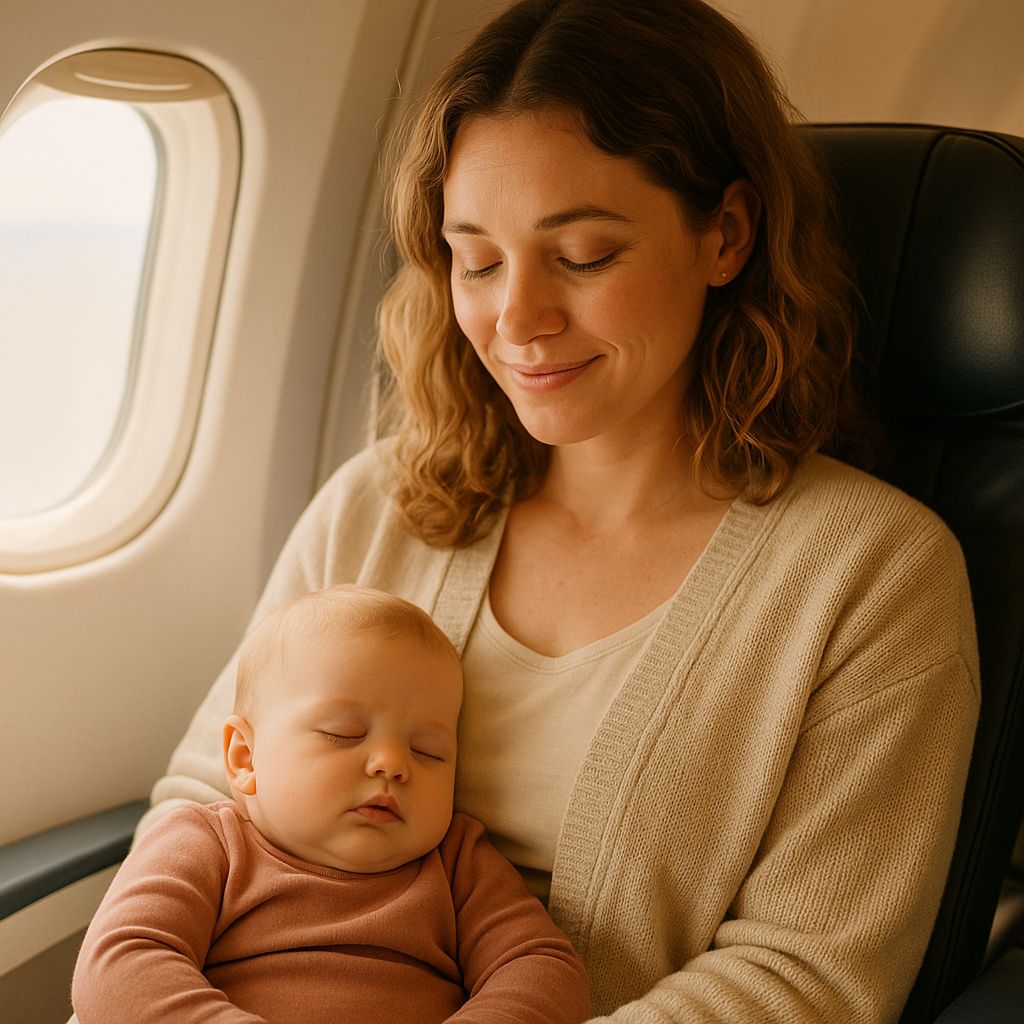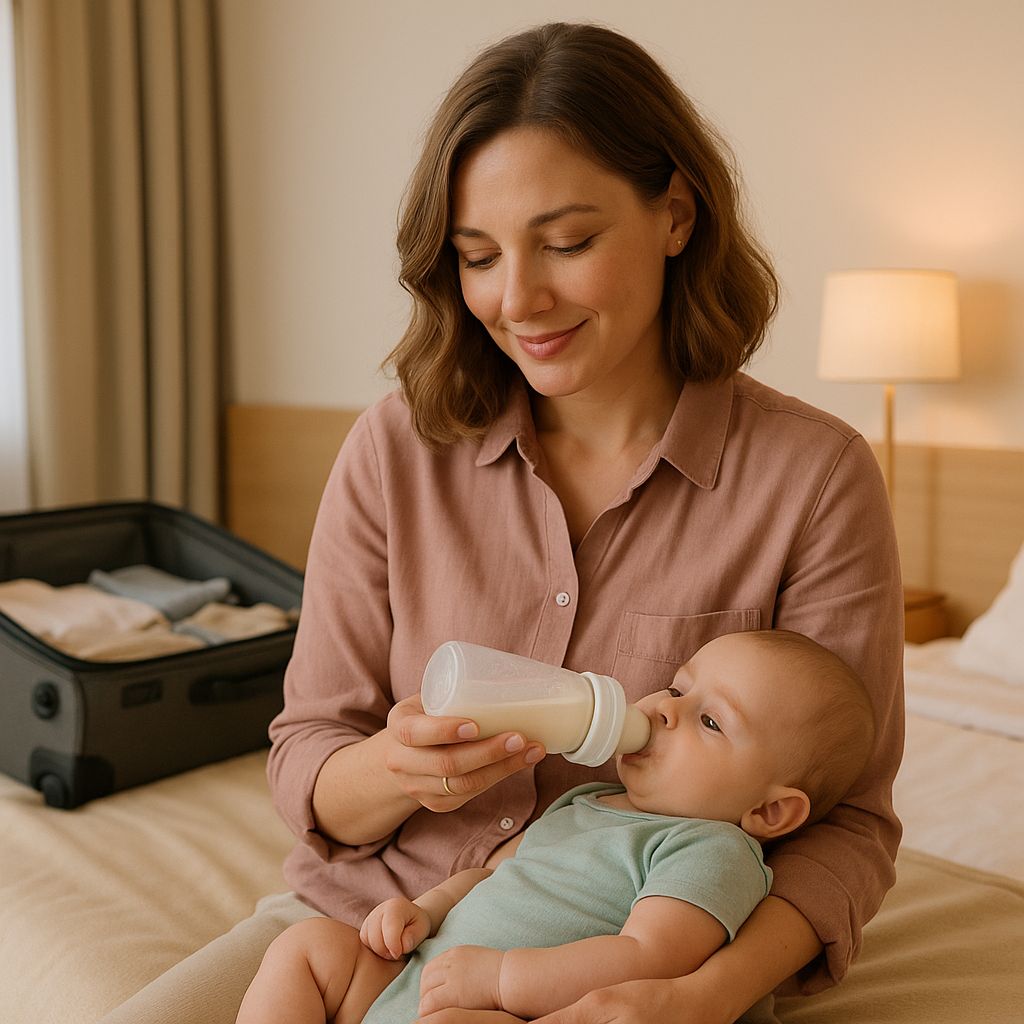

How to Manage Feeding During Travel: A Parent’s Ultimate Guide
Traveling with kids is an adventure in itself, but add in the challenge of keeping little tummies happy and you’ve got a journey that requires some serious planning and flexibility. Whether you’re road tripping, flying, or taking the train, feeding during travel can quickly become stressful without the right strategies in place. But don’t worry — with a few expert tips, you can turn travel mealtimes into enjoyable, memorable parts of your family trip!
Why Feeding During Travel Can Be Tricky
Kids thrive on routine, especially when it comes to eating. Travel can throw off familiar patterns, introduce new foods, and limit access to your kitchen staples. From packing the right snacks to navigating airport security with baby bottles, parents face a unique set of challenges. But with a little preparation, feeding on the go doesn’t have to be a headache.
Planning Ahead: The Secret to Stress-Free Travel Meals
The golden rule for feeding kids on the go is simple: plan ahead. Here’s how to get started:
- Know your route: Are there rest stops, fast-food options, or grocery stores along the way?
- Check airline/train rules: Understand regulations about carrying liquids, formula, or baby food.
- Meal plan: Sketch out a rough plan for meals and snacks for each travel day.
- Pack the essentials: Don’t forget bibs, wipes, utensils, sippy cups, and spill-proof containers.
Feeding Babies While Traveling
Babies have their own set of feeding needs. Here’s how to keep your little one well-fed on the move:
For Breastfeeding Moms
- Wear comfortable, nursing-friendly clothes.
- Pack a nursing cover or scarf for privacy if desired.
- Bring a portable breast pump and storage bags if needed.
For Formula-Fed Babies
- Pre-measure formula powder into containers for easy mixing.
- Carry enough sterilized bottles for the journey.
- Pack a thermos of hot water (if allowed) or ask for hot water on the plane/train/restaurant.
- Use pre-mixed formula cartons for convenience.
Baby Food and Solids
- Bring shelf-stable baby food pouches or jars.
- Pack disposable spoons and bibs.
- Introduce new foods only at home to avoid allergic reactions while traveling.
Feeding Toddlers and Young Kids on the Go
Toddlers and preschoolers can be picky and unpredictable, making travel meals a bit of a gamble. Here’s how to minimize stress:
- Stick to familiar foods: Pack favorite snacks and simple meals your child already enjoys.
- Opt for mess-free options: Think cheese sticks, sandwich squares, cut fruit, dry cereal, and squeezable yogurts.
- Include a treat: A special snack can serve as a reward or distraction during long waits.
- Pack plenty of fluids: Bring a spill-proof water bottle and refill often.
- Portable feeding gear: Travel high chairs, placemats, and silicone bibs make mealtime easier anywhere.
Healthy Eating While Traveling
Travel doesn’t have to mean a diet of chips and candy. Here’s how to keep it nutritious:
- Pack a mix of proteins (nut butters, hard-boiled eggs, cheese), whole grains (crackers, wraps), and fruits/veggies (baby carrots, grapes).
- Bring mini containers for dips like hummus or yogurt.
- Shop at local grocery stores for fresh produce and healthy snacks at your destination.
- Make smart choices at restaurants: look for grilled options, veggie sides, and whole grains.
- Let kids help pick foods — they’re more likely to eat what they choose!
Travel Food Hacks for Families
- Use compartmentalized snack boxes: They keep food separate, fun, and mess-free.
- Freeze yogurts or cheese sticks overnight: They’ll thaw slowly and stay cool during your journey.
- Bring reusable silicone bags: Great for fruit, crackers, or sandwiches — and eco-friendly, too!
- Portable coolers or insulated lunch bags: Essential for keeping perishable foods safe.
- Don’t forget wipes and napkins: Messes are inevitable, so be prepared!
Dealing with Feeding Challenges on the Road
Even with the best planning, things can go sideways. Maybe your child refuses to eat, or a flight delay throws off your schedule. Here’s how to handle common hiccups:
- Stay calm and flexible: A missed meal or snack won’t ruin the trip. Offer food again later.
- Set realistic expectations: Kids might eat more snacks and fewer “proper” meals during travel days — that’s okay.
- Encourage hydration: Offer water often, especially in hot or dry climates.
- Bring comfort items: A favorite cup, plate, or snack can help soothe nerves and encourage eating.
International Travel: Food Safety Tips
When traveling abroad, food safety becomes especially important for little ones:
- Stick to bottled or filtered water for drinking and mixing formula.
- Avoid raw or undercooked foods, especially meat and eggs.
- Peel fruits and veggies yourself.
- Use hand sanitizer before eating if soap and water aren’t available.
- Check local recommendations for food safety at your destination.
Sample Packing List: Travel-Friendly Foods for Kids
- Whole grain crackers or rice cakes
- Cheese sticks or shelf-stable cheese
- Sliced apples or grapes (cut for safety)
- Squeezable yogurt or applesauce
- Nut butter (individual packets)
- Pasta salad or sandwiches
- Dried fruit or raisins
- Granola bars (low sugar)
- Hard-boiled eggs
- Mini muffins or banana bread
Tips for Feeding Older Kids and Teens
Older kids can carry some of their own snacks and help make food choices. Involve them in planning and encourage them to try new foods, but also respect their preferences and comfort levels. Remember, a little flexibility goes a long way!
FAQs About Feeding During Travel
- What foods are best to pack for kids during travel?
- Opt for non-perishable, mess-free snacks like whole grain crackers, cheese sticks, dried fruit, nuts (if age-appropriate), squeezable yogurt, and cut-up veggies. For babies, consider pouches, formula, or breast milk in travel-approved containers.
- How can I maintain feeding routines while on the go?
- Stick to your usual meal and snack times as much as possible, but stay flexible. Bring familiar foods and a few comfort items, like a favorite spoon or sippy cup, to help kids feel secure.
- What should I do if my child refuses to eat new foods while traveling?
- Be patient and avoid pressuring your child. Offer small amounts of new foods alongside familiar favorites. Hunger from travel may encourage them to try something new, but always have backup snacks ready.
- Are there any food safety tips for feeding kids during travel?
- Yes! Keep perishable foods in an insulated bag with ice packs, wash hands before eating, and avoid foods that have been sitting out too long. When abroad, stick to bottled water and peelable fruits if food safety is a concern.
Final Thoughts
Feeding during travel doesn’t have to be stressful — in fact, with a little creativity and preparation, it can become one of the most enjoyable parts of your trip! Remember to keep expectations flexible, pack plenty of familiar snacks, and embrace the adventure of trying new foods together as a family. Here’s to happy travels and even happier tummies!