How to Manage Baby Sleep During Illness: Gentle Strategies for Restful Nights
Every parent knows the heartache of seeing their little one under the weather. Illness can bring sniffles, coughs, fevers—and, inevitably, disrupted sleep for babies and their caregivers. During these challenging times, restful sleep is even more important for your baby’s recovery and your own well-being. But how can you encourage good sleep when your baby is sick, uncomfortable, and in need of extra comfort?
In this comprehensive guide, we’ll explore supportive, evidence-based strategies for managing baby sleep during illness. With warmth and practical advice, you’ll learn how to soothe your baby, adjust routines, and navigate the ups and downs of sleep while your little one heals.
Why Does Illness Affect Baby Sleep?
Babies are sensitive sleepers. Even minor ailments like a cold or mild fever can disrupt their typical sleep patterns. Here’s why illness can make sleep more challenging:
- Physical Discomfort: Sore throats, earaches, and body aches can make it harder for babies to fall and stay asleep.
- Congestion: Stuffy noses make breathing more difficult, especially when lying down.
- Fevers: Elevated temperatures can cause restlessness and sweats.
- Appetite Changes: Illness may reduce feeding, which can impact sleep routines.
- Separation Anxiety: Babies often crave extra closeness when unwell, leading to more night wakings.
While every baby responds differently, it’s normal for sleep to be more fragmented during sickness. The good news? With gentle adjustments, you can help your baby get the rest they need to recover.
10 Gentle Strategies for Managing Baby Sleep During Illness
1. Prioritize Comfort and Soothing
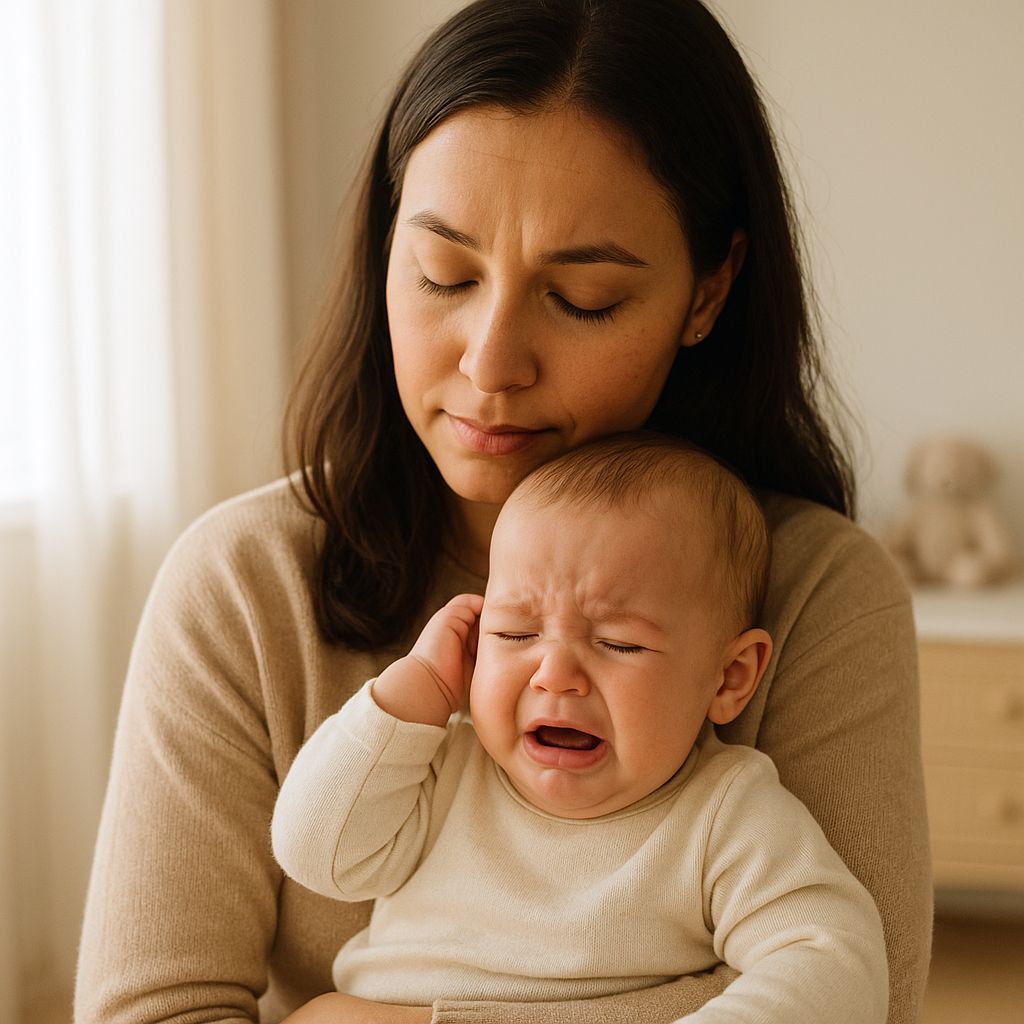
Comfort is paramount when your baby is sick. Offer extra cuddles, rocking, and soothing words. Holding your baby close can lower their stress levels and help them relax into sleep. If your baby is older, a favorite blanket or soft toy (for babies over 12 months) can also offer reassurance.
2. Maintain a Flexible Routine
It’s okay if your usual sleep schedule goes off track during illness. Prioritize naps and night sleep when your baby is tired, rather than sticking rigidly to the clock. Follow your baby's cues—they may need more or less sleep than usual.
3. Create a Comfortable Sleep Environment
- Temperature: Keep the room comfortably cool (68-72°F/20-22°C).
- Humidity: Use a cool-mist humidifier to ease congestion and keep airways moist.
- Noise: White noise machines can mask household sounds and create a calming atmosphere.
- Lighting: Dim lights during nighttime and naps to promote restfulness.
4. Support Nasal Congestion Relief
Congestion is a major sleep disruptor. Try these safe strategies:
- Use saline nasal drops or sprays followed by gentle suctioning with a bulb syringe.
- Elevate the head of the crib mattress slightly (place a rolled towel under the mattress, not under your baby).
- Run a humidifier in the room to loosen mucus.
Remember: Babies under 12 months should always sleep on their backs, even when congested.
5. Offer Frequent Feedings
Illness can decrease your baby’s appetite. Offer feeds more frequently, whether breast milk, formula, or water (if your pediatrician approves for older infants). Hydration is essential for recovery and can soothe fussiness.
6. Be Responsive to Night Wakings
When your baby wakes during the night, respond with comfort and reassurance. You may need to hold, rock, or feed more often than usual. Avoid sleep training or letting your sick baby cry it out—illness is a time for extra support, not strict routines.
7. Keep Medications Safe and Simple
If your doctor recommends medications for fever or pain, like infant acetaminophen or ibuprofen, follow dosing instructions carefully. Never give over-the-counter cough or cold medicines to babies unless directed by your pediatrician.
8. Practice Safe Sleep—Always
Even during illness, stick to safe sleep guidelines:
- Always place your baby on their back to sleep.
- Use a firm mattress with a fitted sheet—no loose bedding, pillows, or stuffed animals under 12 months.
- Room-share, but avoid bed-sharing to prevent accidental suffocation.
9. Monitor for Signs of Worsening Illness
Keep a close eye on your baby’s symptoms. Call your pediatrician if you notice:
- Difficulty breathing
- High fever (especially in babies under 3 months)
- Signs of dehydration (fewer than 4 wet diapers in 24 hours, dry mouth, sunken fontanelle)
- Excessive lethargy or irritability
Trust your instincts—if you’re worried, it’s always okay to reach out for medical advice.
10. Take Care of Yourself, Too
Caring for a sick baby is exhausting, especially with sleepless nights. Remember to prioritize your own rest where possible. Ask for help from a partner, friend, or family member so you can recharge and care for your baby with renewed energy.
When Baby Sleep Returns to Normal
Most babies bounce back to their usual sleep habits once illness passes. Be patient and avoid introducing new long-term sleep associations (like rocking to sleep every night) if you don’t want them to stick. As your baby feels better, gently transition back to your regular routine and encourage independent sleep skills.
Common Questions About Baby Sleep During Illness
- Is it normal for my baby to wake more often when sick?
- Yes, it’s common for babies to experience more frequent night wakings or disrupted sleep during illness due to discomfort, congestion, or fever. Offer comfort and maintain a soothing environment.
- Should I change my baby's sleep routine when they're sick?
- It's okay to be flexible with routines during illness. Focus on your baby's comfort and needs, but return to your usual schedule once they recover to avoid long-term sleep disruptions.
- Is it safe for my baby to sleep in a different position when they're congested?
- Babies under one year should always be placed on their backs to sleep, even when congested. Use a humidifier, elevate the head of the crib mattress slightly (under the mattress, not directly under the baby), and consult your pediatrician for other safe comfort strategies.
- When should I call the doctor about my baby's sleep during illness?
- Contact your pediatrician if your baby has difficulty breathing, shows signs of dehydration, has a high fever, excessive lethargy, or if you have concerns about their sleep or symptoms.
Conclusion: Supporting Sleep and Healing
Managing baby sleep during illness is a delicate balance of meeting your child’s needs, prioritizing comfort, and keeping routines as consistent as possible. With extra snuggles, safe sleep practices, and a dash of parental patience, you’ll help your baby (and yourself) get through this tough patch and return to peaceful nights soon.
Remember: You’re not alone, and it’s okay to ask for help. Illness is temporary, but the comfort and security you provide last a lifetime. Wishing you and your little one restful sleep and a speedy recovery.