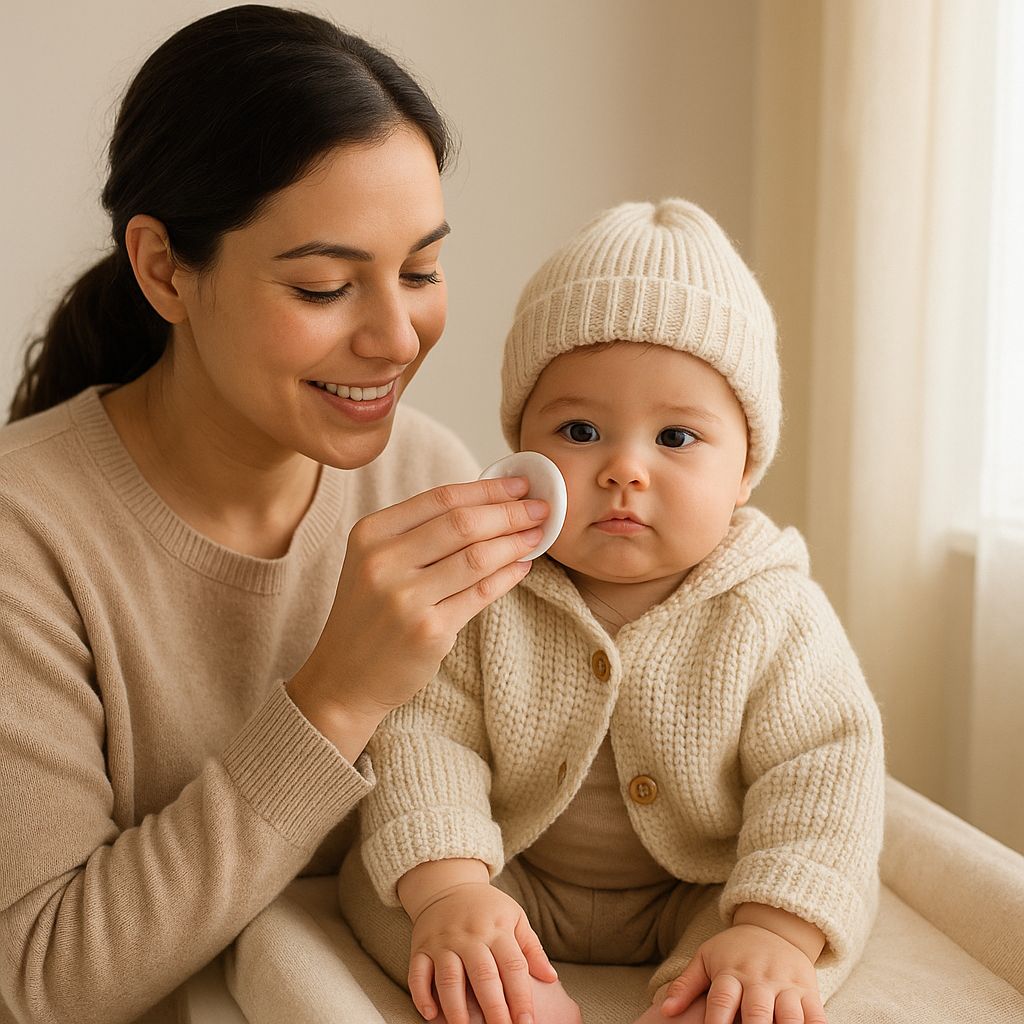

How to Maintain Baby Hygiene in Cold Weather: Essential Tips for Parents
Winter brings a magical transformation to the world, but it also introduces new challenges for parents, especially when it comes to maintaining baby hygiene. The colder months mean more layers, drier skin, and a temptation to skip bath time altogether. Yet, keeping your little one clean and comfortable is crucial for their health, happiness, and development. Here’s your ultimate guide to maintaining baby hygiene in cold weather, filled with expert advice and practical tips for winter baby care.
Understanding Baby Hygiene Needs in Winter
Babies have delicate skin and immune systems, making them more susceptible to dryness, irritation, and infections during winter. The combination of indoor heating, cold air, and less frequent bathing can lead to a host of issues—from chapped skin to diaper rashes and respiratory concerns. Adapting your hygiene routine is key to keeping your baby healthy.
Why Hygiene Is Important in Cold Weather
- Prevents skin dryness: Cold air and indoor heating strip the skin of moisture, increasing the risk of eczema and irritation.
- Reduces illness: Clean hands and surfaces help stop the spread of winter viruses.
- Promotes comfort: Clean, moisturized skin soothes discomfort and prevents rashes.
Bathing Your Baby: How Often and How?
Frequent baths can dry out your baby’s skin in winter, but skipping them altogether isn’t ideal. Here’s how to strike the right balance:
Bath Frequency
Babies don’t need daily baths in cold weather. Two to three times a week is sufficient, focusing on gentle cleansing. On non-bath days, pay extra attention to washing the face, hands, neck folds, and diaper area.
Bath Time Tips for Cold Weather
- Warm up the room: Before undressing your baby, ensure the bathroom is comfortably warm to prevent chills.
- Use lukewarm water: Hot water can dry out the skin; keep bath water at 37–38°C (98–100°F).
- Keep baths short: Limit bath time to 5–10 minutes.
- Pat, don’t rub: Gently pat your baby dry with a soft towel to avoid irritation.
Choosing Winter-Friendly Bath Products
- Gentle cleansers: Use fragrance-free, hypoallergenic baby wash.
- Moisturizing shampoos: Opt for formulas with added moisturizers.
- Skip bubble baths: Most bubble baths contain harsh chemicals that can irritate skin.
Moisturizing: The Secret to Soft, Healthy Skin
Moisturizing isn’t just a luxury—it’s a necessity in winter. Babies lose moisture faster than adults, so regular hydration helps prevent flaky, itchy skin.
Best Moisturizers for Babies
- Thick creams: Look for fragrance-free, hypoallergenic creams meant for babies.
- Ointments: Petroleum jelly or gentle ointments can lock in moisture.
- Apply after bath: Moisturize immediately after bathing while the skin is still damp.
Extra Moisturizing Tips
- Spot treat rough patches: Apply extra cream to elbows, knees, and cheeks.
- Humidify the air: Use a cool-mist humidifier in your baby’s room to combat dry indoor air.
Diaper Hygiene in Cold Weather
Diaper changes are a year-round necessity, but winter brings its own set of challenges. Babies may sweat less, but moisture and bacteria can still cause rashes.
Cold Weather Diaper Care Tips
- Change frequently: Even in winter, change diapers promptly to prevent irritation.
- Use warm wipes: Cold wipes can shock sensitive skin; warm them slightly before use.
- Barrier creams: Use a protective ointment if your baby is prone to diaper rash.
- Let skin breathe: Allow short periods without a diaper to keep skin dry.
Clothing and Layering for Hygiene
Layering is essential for warmth, but it also impacts hygiene. Overbundling can lead to sweating, which increases the risk of rashes and discomfort.
Clothing Tips for Winter Hygiene
- Choose breathable fabrics: Cotton is best for inner layers; avoid synthetics.
- Change outfits regularly: If your baby sweats or spits up, switch to clean clothes promptly.
- Check for dampness: Moisture trapped under layers can cause irritation.
- Wash clothes with gentle detergent: Use baby-friendly, hypoallergenic detergents.
Cleaning Hands, Face, and Folds
Babies explore the world with their hands and mouths, making these areas prone to dirt and germs. Cold weather means more time indoors, so keeping these spots clean is extra important.
Spot Cleaning Tips
- Use damp cotton pads: Gently wipe the face and hands several times a day.
- Clean neck, armpits, and behind ears: These folds trap moisture and dirt.
- Keep nails short: Trim regularly to prevent dirt buildup and scratching.
Protecting Your Baby from Winter Germs
Cold weather often means more time indoors, increasing the risk of exposure to germs. Good hygiene helps reduce the chances of your baby catching colds or other illnesses.
Household Hygiene Tips
- Wash hands frequently: Ensure everyone washes their hands before touching the baby.
- Disinfect surfaces: Regularly clean toys, changing areas, and highchairs.
- Limit visitors: During peak cold and flu season, limit close contact with outsiders.
- Ventilate rooms: Open windows occasionally to let fresh air in.
Going Outside: Hygiene and Safety
Fresh air is good, even in winter. With proper precautions, you can take your baby outside while maintaining hygiene and safety.
Outdoor Tips for Winter
- Layer wisely: Dress your baby in layers, covering head, hands, and feet.
- Keep outings brief: Limit time outdoors, especially in extreme cold.
- Check skin: After outings, inspect for dryness or irritation and moisturize as needed.
- Avoid crowds: Choose quiet parks or paths to reduce exposure to germs.
Dealing with Common Winter Skin Problems
Even with diligent hygiene, winter skin issues may arise. Here’s how to tackle some common concerns:
Dry Skin
- Use thick moisturizers and ointments.
- Avoid hot baths and harsh soaps.
Chapped Cheeks and Lips
- Apply baby-safe balms to cheeks and lips.
- Protect with scarves or stroller covers in wind.
Diaper Rash
- Change diapers often, use barrier creams, and let skin breathe.
Expert Advice: When to See a Doctor
If your baby develops persistent rashes, severe dryness, or signs of infection (such as fever, pus, or spreading redness), consult your pediatrician. Proper winter hygiene can prevent many issues, but sometimes professional help is needed.
Conclusion: Winter Hygiene Made Simple
Maintaining baby hygiene in cold weather doesn’t have to be complicated. With a few adjustments—gentle cleansing, regular moisturizing, careful layering, and household cleanliness—you’ll keep your baby healthy, comfortable, and giggling all winter long. Remember, every baby is unique; observe your child’s needs and consult your pediatrician if you have concerns.
Further Reading & Resources
- American Academy of Pediatrics: Winter Safety Tips
- CDC: Hygiene for Children
- More seasonal parenting tips at Growing Giggles
Frequently Asked Questions
- How often should I bathe my baby in winter?
- Bathe your baby two to three times a week, focusing on cleaning key areas daily.
- What products are best for baby skin in winter?
- Choose gentle, fragrance-free cleansers and thick, hypoallergenic moisturizers. Avoid harsh soaps and lotions with alcohol.
- How can I prevent my baby’s skin from drying out?
- Moisturize after bathing, use a humidifier, avoid hot water, and dress your baby in breathable fabrics.
- Is it safe to take my baby outside in cold weather?
- Yes, with proper layering and protection. Limit exposure, keep your baby dry, and cover extremities.
Share Your Winter Hygiene Tips!
Have you discovered a trick for keeping your baby clean and comfortable in the cold? Share your tips in the comments below and help other parents enjoy a healthier, happier winter!