How to Keep Kids Calm During Air Travel: A Parent’s Survival Guide
Air travel with kids can be a daunting experience, even for seasoned parents. The confined space, unfamiliar environment, and strict schedules can create a perfect storm for meltdowns and stress. But with thoughtful preparation and a calm mindset, you can help your children stay relaxed—and maybe even enjoy the journey together. Here’s your expert guide to keeping kids calm during air travel, from packing and planning to in-flight strategies and emergency tricks.
Before You Fly: Set the Stage for Success
1. Talk About the Trip
Start by setting expectations. For younger children, explain what airports and airplanes are like using simple language and storybooks. Watch age-appropriate videos or read books about flying. Older kids can help plan or pack, which gives them a sense of control and excitement.
2. Choose the Right Flight and Seats
Whenever possible, book direct flights to minimize transitions. Consider your child’s routines—would an early-morning or red-eye flight help them sleep through the journey, or is a midday flight better? Choose seats near the aisle for easy bathroom access, or try bulkhead rows for extra space (but remember, these may not have under-seat storage).
3. Prepare for Security and Boarding
- Arrive early to avoid rushing and give your child time to adjust.
- Explain the security process in advance, especially removing shoes and passing through metal detectors.
- Let your child know what will happen step-by-step, and keep comfort items handy.
4. Manage Sleep and Routines
In the days leading up to your flight, try to keep routines consistent. If you’re crossing time zones, slowly shift bedtimes to match your destination. A well-rested child is less likely to get overwhelmed.
Packing Essentials: Your Calming Toolkit
1. Snacks and Drinks
- Pack a variety of healthy, non-messy snacks your child loves. Hunger is a common meltdown trigger.
- Bring an empty water bottle to fill after security.
- For takeoff and landing, sucking or chewing helps with ear pressure—think lollipops, pacifiers, or gum (for older kids).
2. Entertainment Galore
- Coloring books, sticker books, and magnetic puzzles are lightweight and mess-free.
- Load tablets with movies, games, and e-books (don’t forget headphones!).
- Bring a surprise toy or activity to pull out when boredom strikes.
3. Comfort Items
- Pack a favorite blanket, small stuffed animal, or pillow.
- Dress your child in comfortable layers and bring a change of clothes, just in case.
- For anxious kids, consider a sensory tool like a fidget spinner, stress ball, or chewable necklace.
4. Health and Hygiene
- Hand sanitizer and wipes for quick cleanups.
- Child-safe pain reliever (with doctor’s approval) for ear pain or fevers.
- Travel sickness bags for kids prone to motion sickness.
At the Airport: Making the Most of Waiting
Use airport time to let your child move and explore. Many airports have play areas or family lounges—seek them out! Go for a walk, watch planes, or have a snack picnic away from the gates. The more energy your child burns before boarding, the more likely they’ll relax on the plane.
On the Plane: Calming Strategies That Work
1. Stay Positive and Calm Yourself
Kids pick up on your energy. If you’re stressed, they’ll feel it too. Use deep breaths, keep your voice gentle, and remind yourself that turbulence (literal and emotional) is temporary. A calm parent is the best calming tool.
2. Stick to Familiar Routines
Try to keep nap, snack, and play times similar to home. Use familiar phrases and rituals—reading a favorite book before naptime, for example. Consistency helps children feel safe in new environments.
3. Offer Choices
When possible, let your child make simple decisions: “Would you like to color or play a game?” or “Do you want your snack now or later?” Choices give kids a sense of control in a situation where much is out of their hands.
4. Use Calming Techniques
- Deep Breathing: Practice slow, deep breaths together. Try “smell the flower, blow out the candle.”
- Sensory Tools: Fidget toys, weighted lap pads, or putty can help soothe anxious hands.
- Mindfulness: For older kids, guided meditations or calming music (downloaded in advance) can work wonders.
5. Distraction Is Your Friend
Rotate activities before boredom sets in. A surprise toy, a new episode of a favorite show, or a simple game like “I Spy” can break up long stretches. For infants and toddlers, peekaboo or finger puppets are magical distractions.
6. Address Physical Needs Quickly
Tired, hungry, or uncomfortable kids are more likely to melt down. Keep snacks, water, and comfort items within reach. For potty-trained kids, take bathroom breaks before boarding and as soon as the seatbelt sign turns off.
Handling Meltdowns and Challenges
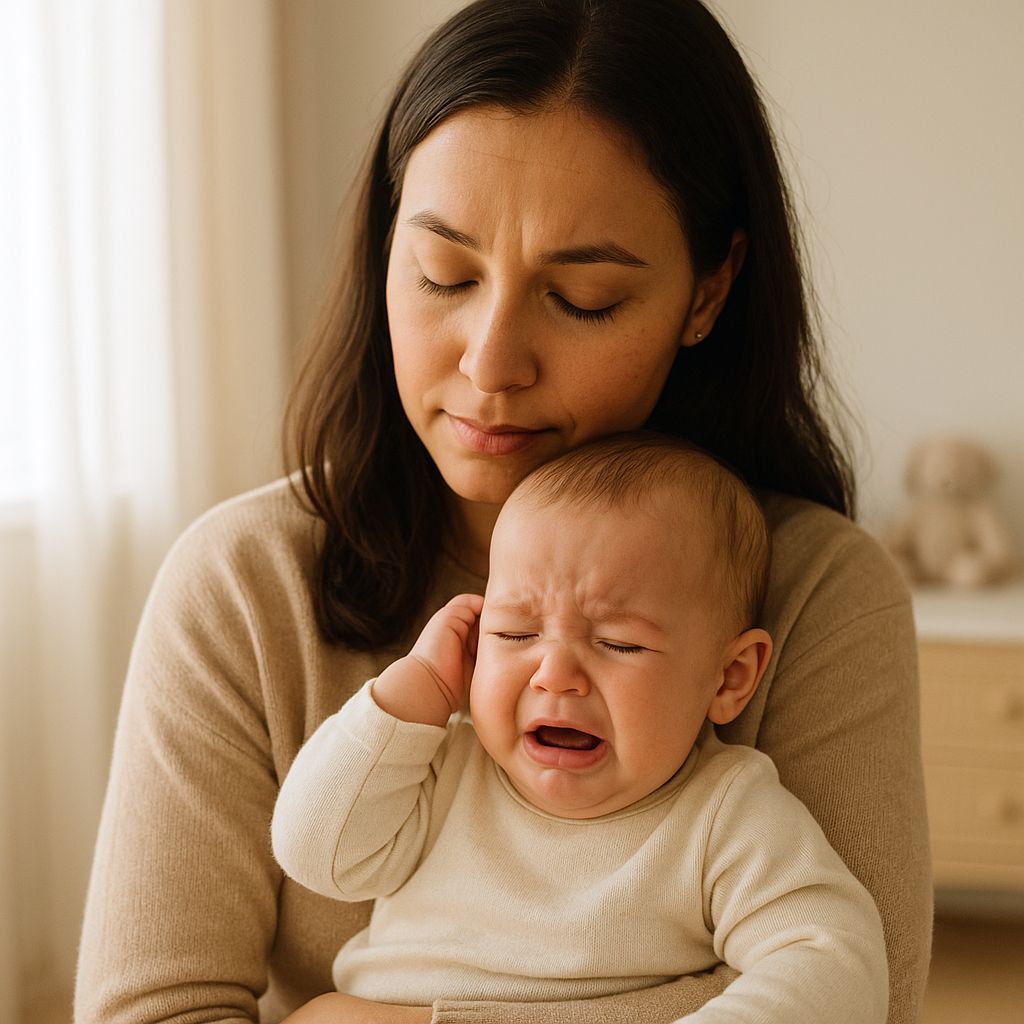
Even with preparation, tough moments happen. If your child cries or has a meltdown:
- Stay calm and offer reassurance. A hug, soothing words, or simply your presence can help.
- Don’t worry about judgment from other passengers—most understand and have been there.
- If possible, walk up and down the aisle or stand in the galley (when allowed) to reset.
- Use your calming toolkit: snacks, distraction, sensory toys, or a favorite song.
After Landing: The Homestretch
Upon arrival, let your child know you’re proud of how they handled the trip. Give them time to adjust and decompress—don’t overschedule activities immediately. Celebrate the adventure together!
Final Thoughts
Keeping kids calm during air travel isn’t about perfection—it’s about preparation, flexibility, and staying positive. Every flight is a learning experience for both parents and kids. With these expert strategies and a well-stocked calming toolkit, you’ll be ready to take on the skies and make family travel a little more joyful for everyone.
Frequently Asked Questions
- What are the best airplane activities for kids?
- Some of the best airplane activities for kids include coloring books, sticker books, magnetic travel games, e-books, downloaded movies, and small building toys. Rotate activities to keep them engaged.
- How can I help my child with ear pressure during takeoff and landing?
- Offer your child something to drink, chew, or suck on (like a lollipop, pacifier, or bottle) during takeoff and landing. Swallowing helps equalize ear pressure. For older kids, encourage yawning or blowing gently with their nose pinched.
- Is it better to book flights during my child’s nap time?
- If your child is a good sleeper on the go, booking during nap time can help. However, some kids struggle to sleep in new environments, so consider your child’s temperament and past experiences.
- How early should I arrive at the airport when flying with kids?
- Arrive at least two to three hours before your flight. Allow extra time for check-in, security, bathroom breaks, and letting your child burn off some energy before boarding.
- What should I do if my child has a meltdown on the plane?
- Stay calm and supportive. Try to identify the cause (hunger, boredom, tiredness), offer comfort, and use your calming toolkit—snacks, favorite toys, and distraction. Remember, most passengers understand and have been there too!