How to Improve Communication Skills in Preschoolers: A Parent’s Guide
Communication is more than just words—it's the foundation for preschoolers to express themselves, connect with others, and explore the world. As parents and caregivers, nurturing these skills early on can set your child up for lifelong success. Let’s dive into expert strategies, fun activities, and practical tips to help your preschooler become a confident communicator!
Why Communication Skills Matter in Preschool
Preschoolers are growing in leaps and bounds—not just physically, but emotionally and socially. Communication skills are crucial at this stage because:
- Expressing Needs: Children learn to ask for help, share their feelings, and voice opinions.
- Building Friendships: Good communication helps preschoolers make friends and resolve conflicts.
- Learning: Understanding instructions and asking questions boosts academic development.
- Self-confidence: Being able to communicate clearly helps children feel heard and valued.
Understanding Communication Development in Preschoolers
Every child develops at their own pace, but preschoolers (ages 3–5) typically:
- Use simple sentences and expand vocabulary rapidly
- Begin to ask questions (“Why?”, “How?”)
- Understand and follow simple instructions
- Enjoy stories, songs, and rhymes
- Start to engage in back-and-forth conversations
Knowing these milestones helps parents identify areas for support and celebrate progress.
Practical Strategies to Improve Communication Skills
1. Model Good Communication
Children learn by example. Speak clearly, use eye contact, and listen actively. Narrate daily routines—"Now we’re brushing our teeth!"—to build vocabulary and understanding. Avoid baby talk; use real words and encourage your child to repeat them.
2. Engage in Conversations
Make time for meaningful chats. Ask open-ended questions like “What was your favorite part of today?” rather than simple yes/no queries. Give your child time to respond and validate their answers.
3. Read Together Every Day
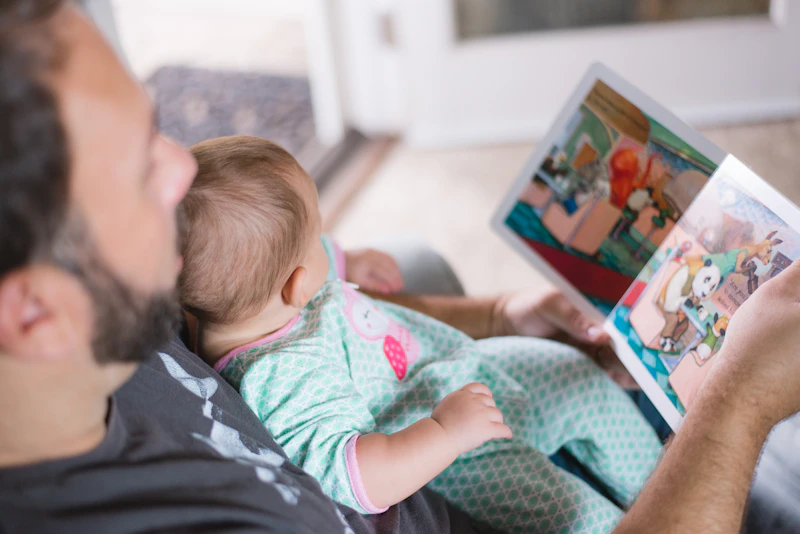
Reading is a powerful tool for language development. Choose age-appropriate books, point to pictures, and ask questions about the story. Encourage your preschooler to predict what happens next or retell the story in their own words.
4. Play Listening Games
Games like “Simon Says,” “I Spy,” or “Telephone” teach listening and speaking skills. Try silly rhyming games or have your child follow multi-step instructions (“Can you hop, then clap your hands?”).
5. Encourage Storytelling
Let your child invent stories, whether about their day, a favorite toy, or imaginary adventures. Provide prompts (“What happens if the cat goes to the moon?”) and praise their creativity.
6. Use Everyday Opportunities
Turn routine tasks into communication moments. Grocery shopping? Ask your preschooler to name fruits and colors. Cooking? Describe the steps as you mix, pour, and bake.
7. Sing Songs and Recite Rhymes
Music and rhyme boost language skills and memory. Sing favorite nursery rhymes, invent silly songs, and clap along to the rhythm.
8. Limit Screen Time
While some educational apps can support language learning, face-to-face interaction is best. Balance screen use with real conversations, play, and reading.
Sample Activities for Building Communication
- Picture Talk: Show your preschooler a picture and ask, “What do you see? What might happen next?”
- Role Play: Use puppets or toys to act out simple scenarios (“Let’s pretend we’re at the doctor!”).
- Show and Tell: Have your child bring a favorite item and describe it to you or family members.
- Question Jar: Fill a jar with fun questions (“What animal would you like to be?”) and take turns answering.
- Emotion Charades: Make faces and ask your child to guess the feeling. Discuss times when they felt happy, sad, or excited.
Supporting Communication for Children With Delays
If you notice your preschooler struggling to communicate, don’t hesitate to seek support. Signs of a delay include:
- Limited vocabulary for their age
- Difficulty forming sentences
- Problems understanding instructions
- Rarely initiates conversations
Early intervention from a speech-language pathologist can make a big difference. Work with professionals, follow recommended activities, and celebrate small wins.
Tips for Parents: Creating a Language-Rich Home
- Talk about everything: Narrate daily life, ask questions, and encourage your child to share their thoughts.
- Be patient: Give your child time to process and respond. Avoid correcting every mistake—focus on encouragement.
- Celebrate progress: Praise new words, creative stories, and attempts to join conversations.
- Include family: Encourage siblings, grandparents, and friends to engage in conversation and play.
- Use positive reinforcement: Reward communication efforts with hugs, smiles, or a special story time.
How Preschool Teachers Support Communication
Preschool classrooms are perfect places for language learning. Teachers can:
- Encourage group discussions and sharing
- Model expressive speech and listening
- Provide games, songs, and dramatic play
- Use visual aids and prompts
- Partner with parents to support language at home
Frequently Asked Questions
Why are communication skills important for preschoolers?
Communication skills help preschoolers express their needs, build relationships, solve problems, and succeed academically. Early development of these skills sets the stage for lifelong learning and social success.
How can parents encourage their preschooler to talk more?
Parents can encourage talking by engaging in conversations, asking open-ended questions, reading together, playing games that promote dialogue, and modeling good communication behaviors.
What signs might indicate a communication delay in a preschooler?
Signs include limited vocabulary, difficulty understanding instructions, trouble making sentences, or not responding to questions. If concerned, consult a speech-language pathologist for assessment.
Are screen time and communication skills linked?
Excessive screen time may limit opportunities for interactive communication. Balance screen use with face-to-face interactions, storytelling, and play to promote language development.
How can preschool teachers support communication development?
Teachers can foster communication by creating a language-rich classroom, encouraging group discussions, modeling expressive speech, and providing activities that stimulate conversation and listening.
Conclusion: Nurturing Confident Communicators
Improving communication skills in preschoolers doesn’t require fancy tools or elaborate plans—it’s about everyday interactions, patience, and encouragement. By modeling good communication, reading together, playing games, and celebrating progress, parents can help their preschoolers blossom into confident, expressive individuals ready to navigate the world. Remember, every child’s journey is unique—embrace it, support it, and enjoy those growing giggles along the way!