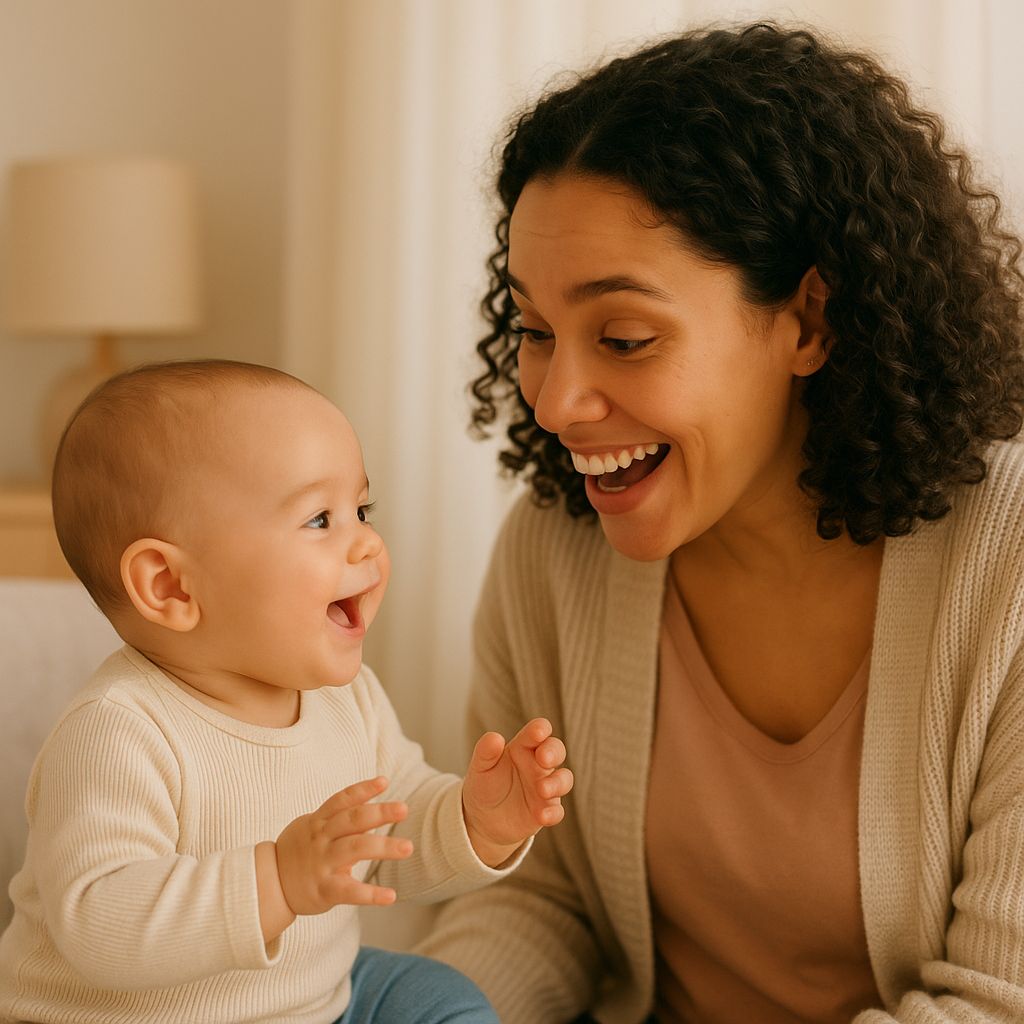

How to Encourage Your Baby’s First Words: Expert Tips for Parents
Few moments in parenting are as memorable as hearing your baby’s first words. From the tender coos and babbles to the unmistakable sound of “mama” or “dada,” speech is a fundamental part of your child’s growth. While every baby develops at their own pace, parents play a vital role in nurturing language skills. This comprehensive guide explores proven strategies, expert advice, and practical activities to encourage your baby’s first words and foster healthy communication.
Understanding Speech Development in Babies
Language development begins long before your baby utters their first word. From birth, infants absorb sounds, gestures, and facial expressions, laying the foundation for communication. Recognizing the stages of speech development helps you know what to expect and how to support your child’s progress.
- 0–6 Months: Babies listen, watch, and begin cooing and babbling. They respond to tone, rhythm, and familiar voices.
- 6–12 Months: Babbling becomes more complex. Babies start imitating sounds and may understand simple words, like their name or “no.”
- 10–14 Months: Most infants say their first recognizable words. They begin associating words with people, objects, or actions.
- 15–24 Months: Vocabulary expands rapidly. Babies string words together to form simple sentences and express needs.
Why Encouraging Early Communication Matters
Early communication isn’t just about talking—it’s about connecting. Encouraging speech helps babies:
- Build confidence in expressing themselves
- Strengthen social bonds and emotional security
- Enhance cognitive and problem-solving skills
- Lay the groundwork for literacy and academic success
Research shows that babies who experience frequent, positive interaction with caregivers have stronger language skills and are better equipped for future learning.
Expert Strategies to Encourage Your Baby’s First Words
Every interaction is an opportunity for language learning. Here are expert-backed techniques to foster speech development:
1. Talk Often and Narrate Your Day
Babies learn language by hearing it. Narrate your actions, describe objects, and talk about your surroundings. For example: “I’m pouring your milk into the cup. This is your blue cup.” This repetition and exposure help babies connect words with meanings.
2. Respond to Babbling and Gestures
When your baby babbles or gestures, respond enthusiastically. Repeat their sounds and expand on them: If your baby says “ba,” say, “Yes, ball! Here’s your ball.” This shows that their attempts at communication are valued.
3. Read Aloud Every Day
Reading to your baby introduces new words, concepts, and rhythms. Choose age-appropriate board books with bright pictures and simple text. Point to objects and name them, ask questions, and encourage your baby to participate.
4. Sing Songs and Nursery Rhymes
Music and rhyme help babies recognize patterns in speech. Singing familiar songs reinforces vocabulary, memory, and pronunciation. Actions or hand movements add a visual element that aids learning.
5. Use Repetition and Simple Language
Repeat words and phrases often, especially key words. Use clear, simple sentences so your baby can understand and imitate. For example, say “Dog” instead of “Look at the brown dog running in the park.”
6. Name and Point to Objects
Label objects during daily routines: “Here’s your spoon,” “This is your teddy bear.” Pointing helps babies link spoken words to physical items, strengthening their understanding—and their ability to repeat.
7. Encourage Imitation and Play
Babies love to imitate parents. Make funny faces, repeat sounds, and play games like “peek-a-boo.” Use toy phones, animals, or dolls to demonstrate talking and encourage your child to mimic you.
8. Use Positive Reinforcement
Celebrate every attempt at communication. Smile, clap, and praise your baby when they say or attempt a word. Positive attention motivates your child to keep trying.
9. Limit Screen Time and Background Noise
Interactive communication is more effective than passive media exposure. Limit TV, tablets, and background noise so your baby can focus on face-to-face interactions.
10. Be Patient and Stay Positive
Every child develops at their own pace. Some may say first words early, others later. Stay positive, avoid comparisons, and trust in your child’s unique journey.
Recognizing and Responding to Early Speech Signals
Babies use sounds, gestures, and facial expressions to communicate long before speaking. Recognizing these signals and responding appropriately boosts their confidence and motivation.
- Babbling: Respond to babbling as if it were conversation. Make eye contact, smile, and take turns “talking.”
- Pointing: When your baby points to something, name it. “You’re pointing at the dog. That’s a dog!”
- Gestures: Use and encourage gestures like waving, clapping, or raising arms. Pair them with words.
- Facial Expressions: Match your baby’s expressions with words: “You’re smiling! Are you happy?”
Creating a Language-Rich Environment
A language-rich environment is one where words, sounds, and communication are part of everyday life. Here’s how to create one:
- Talk Throughout the Day: Describe what you’re doing, seeing, and feeling.
- Read Books: Establish a daily reading routine.
- Sing and Play: Incorporate music and playful interaction.
- Encourage Questions: Even if your baby can’t ask yet, model asking and answering questions.
- Use Real Objects: Let your baby explore and touch things while you name them.
Activities to Encourage Your Baby’s First Words
Practical, engaging activities can make language learning fun and effective. Try these:
- Picture Books: Point to images and ask, “What’s this?” Wait for a response or offer the word.
- Object Naming: During play, name toys and encourage your baby to repeat.
- Singing Games: Songs like “Old MacDonald Had a Farm” introduce animal names and sounds.
- Peek-a-Boo: This classic game teaches “hello” and “bye-bye.”
- Mirror Play: Babies love looking at themselves. Name body parts and emotions.
- Sound Imitation: Make fun noises and encourage your baby to copy you.
- Simple Questions: Ask yes/no questions and model answers: “Do you want milk? Yes, milk!”
When to Seek Professional Help
While many babies develop speech on their own timeline, some may need extra support. Talk to your pediatrician if:
- Your baby isn’t babbling by 12 months
- No words are spoken by 18 months
- Speech is unclear or difficult to understand after age 2
- Your child doesn’t respond to sounds or isn’t making eye contact
Early intervention with a speech-language pathologist can make a big difference in overcoming delays.
Frequently Asked Questions
When do babies usually say their first words?
Most babies say their first recognizable words between 10 and 14 months, but this can vary. Some children may begin earlier or later depending on their individual development.
How can I help my baby learn to talk?
You can help by talking to your baby often, describing your actions, reading books together, singing songs, and responding to their sounds and gestures. Creating a positive, interactive environment is key.
Should I be concerned if my baby isn’t talking yet?
Babies develop speech at their own pace. If your child isn’t saying words by 18 months or you’re concerned about their communication, consult your pediatrician or a speech-language pathologist for guidance.
Do screen time or background noise affect speech development?
Excessive screen time and background noise can distract from real-life interactions that are crucial for language development. Prioritize face-to-face communication and minimize passive media exposure.
What are some activities to encourage first words?
Simple games like naming objects, reading aloud, singing nursery rhymes, and playing with toys while talking about them all help encourage first words. Keeping activities fun and engaging is important.
Conclusion: Setting the Stage for Lifelong Communication
Your baby’s journey to their first words is a remarkable process filled with joy, discovery, and growth. By fostering a nurturing, language-rich environment and embracing expert strategies, you can set the stage for confident communication and lifelong learning. Remember, patience and positivity go a long way—each word, babble, and gesture is a step toward your child’s unique voice.
For more expert parenting advice and growth-development resources, visit Growing Giggles and subscribe to our newsletter.