
How to Encourage Good Behavior in Preschoolers: Expert Tips for Parents
Preschoolers are at a magical stage of development—they're curious, energetic, and eager to explore the world around them. At the same time, they’re learning social norms and how to manage their emotions. As parents, we want to nurture our children’s best qualities, guiding them toward kindness, cooperation, and respect. But how do we encourage good behavior in preschoolers, especially when tantrums, stubbornness, and testing boundaries are part of the package?
Understanding Preschool Behavior
Before diving into strategies, it’s important to understand what drives preschooler behavior. At ages 3 to 5, children are still learning to communicate, control impulses, and empathize with others. Their brains are developing quickly, but their ability to regulate emotions is limited. Misbehavior often isn’t malicious—it’s a sign your child is learning and needs guidance.
Common Preschool Challenges
- Tantrums
- Defiance
- Testing limits
- Difficulty sharing
- Attention-seeking
Recognizing these challenges helps you respond with patience and empathy, rather than frustration.
Positive Reinforcement: The Foundation of Good Behavior
Positive reinforcement means rewarding desirable behavior, making it more likely to happen again. Preschoolers thrive on attention, so your praise and encouragement are powerful motivators.
How to Use Positive Reinforcement
- Catch them being good: Don’t wait for big moments. Praise everyday actions like sharing toys, using polite words, or helping clean up.
- Be specific: Instead of “Good job,” say “I love how you waited your turn!” This reinforces exactly what you want to see.
- Use simple rewards: Stickers, extra storytime, or a special outing are great incentives. Keep rewards small and connected to effort.
- Celebrate effort: Preschoolers need to know that trying is as important as succeeding. Praise persistence and improvement.
Setting Clear Expectations
Preschoolers need to know what’s expected of them. Ambiguity can lead to confusion and misbehavior. Set clear, age-appropriate rules and explain them simply.
Tips for Clear Expectations
- State rules positively: Instead of “Don’t run,” try “Please walk inside.”
- Keep rules short: Preschoolers remember better with concise instructions.
- Repeat often: Consistent reminders help children internalize expectations.
- Use visual aids: Charts or pictures showing routines are helpful for young children.
Consistency is Key
Children feel secure when routines are predictable. Consistency in discipline, rewards, and daily schedules helps preschoolers understand boundaries and reduces anxiety.
Building Consistent Routines
- Have set times for meals, play, and bedtime.
- Use the same language when addressing behavior.
- Follow through with consequences (positive and negative) every time.
- Prepare your child for transitions (“After playtime, we’ll clean up together.”).
Modeling Good Behavior
Preschoolers are expert imitators. They learn by watching you and other adults. Modeling kindness, patience, and respect teaches children how to behave in similar situations.
Ways to Model Positive Behavior
- Use polite language and manners.
- Show empathy and help others.
- Stay calm during conflicts.
- Apologize and admit mistakes—showing it’s okay to be imperfect.
- Express emotions in healthy ways.
Handling Misbehavior Calmly
When your preschooler acts out, it’s tempting to react with frustration. But calm, consistent responses teach self-control and help your child learn from mistakes.
Steps to Handle Misbehavior
- Stay calm: Take a deep breath and avoid raising your voice.
- Address the behavior, not the child: Say, “Throwing toys is not okay,” instead of “You’re bad.”
- Explain consequences: Let your child know what happens next (“If you throw toys, we’ll need to put them away for a while.”).
- Guide towards better choices: Offer alternatives (“If you’re angry, you can stomp your feet or tell me about it.”).
- Use time-ins: Instead of isolating your child, sit together and talk about feelings and solutions.
Teaching Emotional Regulation
Preschoolers need help understanding and managing big feelings. Teaching emotional regulation equips them to handle frustration, disappointment, or excitement appropriately.
Strategies for Emotional Regulation
- Name emotions: “I see you’re feeling angry because your toy broke.”
- Offer coping tools: Deep breaths, hugs, or a quiet corner can help calm down.
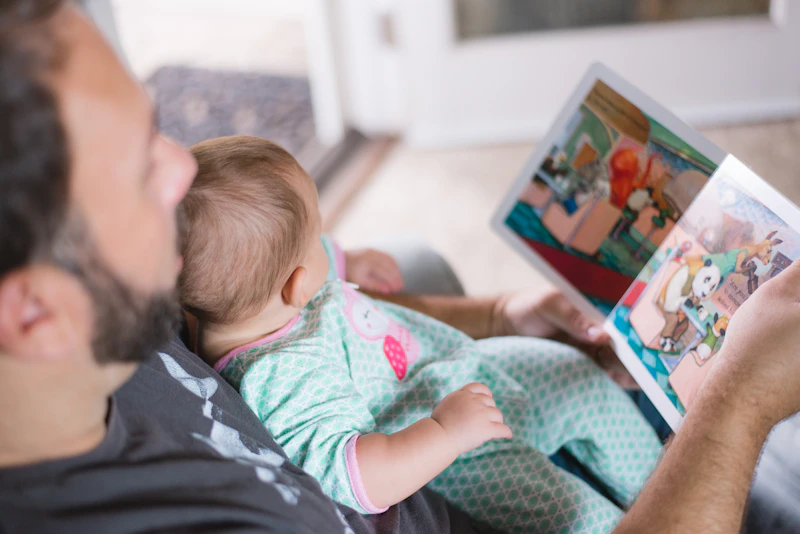
- Read books about feelings: Stories can help children relate to characters and learn coping skills.
- Encourage expression: Let your child talk, draw, or act out their emotions.
Encouraging Cooperation and Sharing
Learning to cooperate and share is a big milestone for preschoolers. These skills take time and practice, so be patient and provide opportunities to practice.
Tips for Promoting Cooperation
- Set up playdates: Interacting with peers encourages sharing and teamwork.
- Use turn-taking games: Board games or passing a ball teach patience.
- Model sharing: Share your belongings and narrate your actions (“I’m sharing my snack with you!”).
- Praise cooperative efforts: “Great job working together to build that tower!”
Dealing with Attention-Seeking Behavior
Preschoolers often act out to get your attention. It’s important to respond to positive behavior more than negative, so children learn that good actions get noticed.
How to Respond
- Give attention freely: Spend regular, quality time with your child.
- Ignore minor misbehavior: If your child whines or interrupts, don’t reinforce it with attention.
- Praise positive actions: “Thank you for waiting until I finished talking.”
- Use ‘special time’: Set aside 10-15 minutes daily for undivided attention.
Praise Effort, Not Just Results
Children gain confidence when their effort is recognized. Instead of focusing only on outcomes (“You built the tallest tower!”), praise the process (“You worked really hard to stack those blocks.”).
Benefits of Praising Effort
- Builds resilience and motivation.
- Encourages trying new things.
- Helps children cope with disappointment.
When to Use Consequences
Consequences help children understand that actions have outcomes. They should be logical, related to the behavior, and delivered calmly.
Examples of Effective Consequences
- If a child draws on walls, they help clean up.
- If toys are thrown, they’re put away for a time.
- If play gets too rough, a break is needed.
Always explain why the consequence is happening, and offer a chance to try again later.
Encouraging Independence
Preschoolers love to do things themselves. Encourage independence by letting your child make choices, complete simple tasks, and solve small problems. This builds self-esteem and responsibility.
Ways to Foster Independence
- Let your child pick out clothes or snacks.
- Encourage cleaning up toys after play.
- Allow your child to help with simple chores.
- Offer ‘do-it-myself’ moments and praise their efforts.
Collaborating with Caregivers
Consistency across home and preschool is important. Share your strategies and expectations with teachers, babysitters, and family members. Work together to reinforce positive behavior.
Tips for Collaboration
- Communicate regularly with caregivers.
- Share behavior charts or routines.
- Discuss challenges and successes.
Conclusion: Growing Good Behavior Takes Time
Encouraging good behavior in preschoolers isn’t about perfection—it’s about nurturing growth, patience, and positive relationships. With love, consistency, and clear expectations, your child will learn important life skills that last a lifetime. Remember, every child is unique. Celebrate their strengths and guide them gently through challenges. The reward is watching your little one blossom into a kind, confident, and respectful individual.
Frequently Asked Questions
- What is the best way to encourage good behavior in preschoolers?
- The best way to encourage good behavior is through positive reinforcement, clear expectations, consistent routines, and modeling the behaviors you want to see.
- How should I handle misbehavior in my preschooler?
- Handle misbehavior calmly, explain why the behavior is inappropriate, and guide your child towards better choices. Avoid harsh punishments and focus on teaching rather than shaming.
- Are rewards effective for preschoolers?
- Yes, rewards can be effective when used thoughtfully. Praise effort and progress rather than just outcomes. Simple rewards like extra storytime or stickers can motivate preschoolers.
- How important are routines for preschooler behavior?
- Routines provide structure and predictability, which help preschoolers feel secure and understand expectations. This supports positive behavior and reduces anxiety.