
How to Build Early Language Skills at Home: An Expert Parent’s Guide
Language is the foundation for learning, social connection, and emotional expression. As parents and caregivers, you play a pivotal role in your child’s early language development—often without realizing it. This comprehensive guide will equip you with expert-backed strategies, engaging activities, and practical advice to nurture your child’s communication skills right at home.
Why Early Language Development Matters
Before children even utter their first words, they are already absorbing language from their surroundings. Early language skills not only pave the way for academic success but also influence social competence, emotional regulation, and lifelong learning. Research shows that children who are exposed to rich language environments in their early years demonstrate stronger literacy, problem-solving, and cognitive skills later in life.
Milestones in Early Language Development
- 0–6 months: Cooing, gurgling, and responding to familiar voices.
- 6–12 months: Babbling, imitating sounds, recognizing common words (e.g., "mama," "dada").
- 12–18 months: Saying first words, following simple directions, pointing to familiar objects.
- 18–24 months: Vocabulary explosion (10–50 words), combining two words ("more juice").
- 2–3 years: Using short sentences, asking questions, naming most common objects.
Every child develops at their own pace, but being aware of these milestones helps you recognize progress and identify potential concerns early.
Top Strategies for Building Language Skills at Home
Language learning thrives in environments rich with interaction, conversation, and exposure to new words. Here’s how you can create that environment at home, starting today:
1. Talk, Talk, Talk!
Engage your child in conversation throughout the day, even before they can respond. Narrate your actions (“Now I’m putting on your shoes”), describe what you see (“Look at the red car!”), and label objects, feelings, and actions. The more words your child hears, the more they learn.
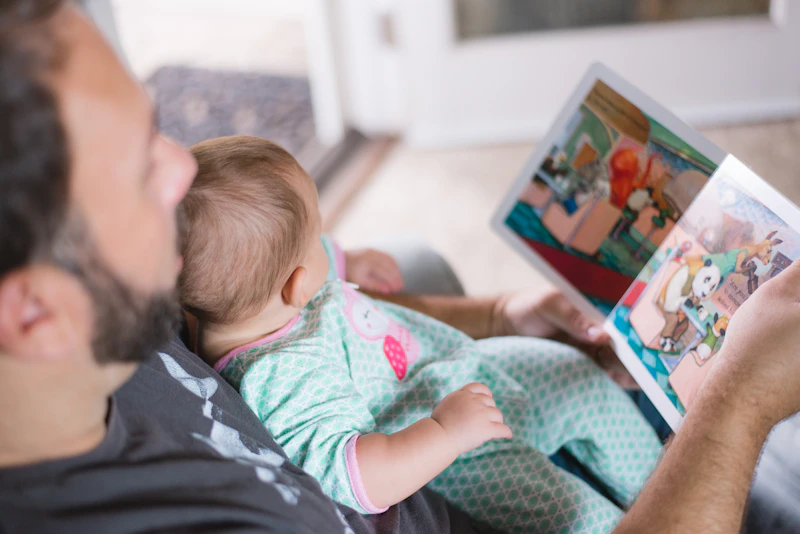
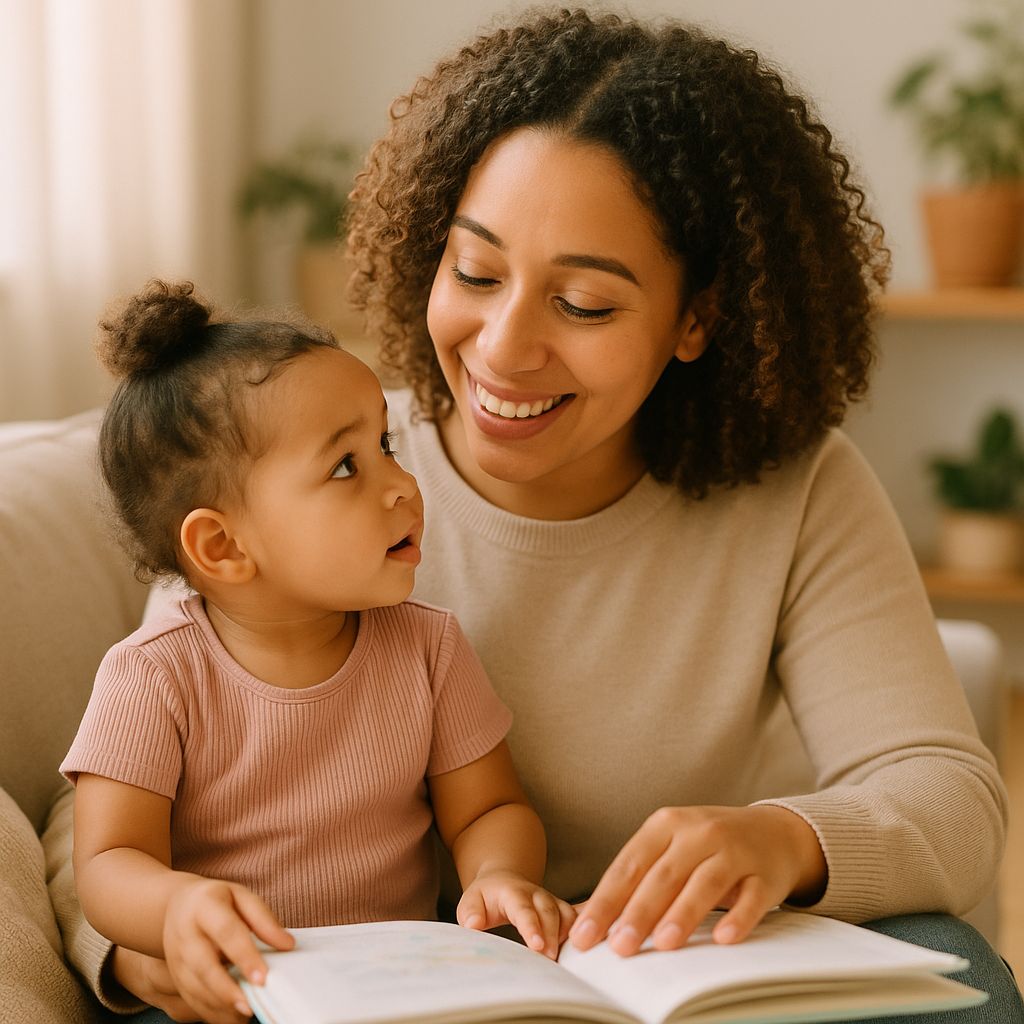
2. Read Together Every Day
Reading is one of the most powerful tools for language development. Choose age-appropriate books with vibrant pictures and simple stories. Point to objects, ask questions (“Where’s the dog?”), and encourage your child to turn pages. Repetition helps reinforce new vocabulary.
3. Sing Songs and Recite Nursery Rhymes
Rhymes, songs, and fingerplays introduce rhythm, rhyme, and new words. Simple classics like “Twinkle, Twinkle, Little Star” and “The Wheels on the Bus” are favorites for a reason! Encourage your child to clap, dance, and mimic movements as you sing.
4. Play Together
Imaginative play—pretending with dolls, animals, or toy food—provides a natural context for language use. Act out stories, assign roles, and encourage your child to describe what’s happening. Play-based learning is both enjoyable and effective.
5. Follow Your Child’s Lead
Pay attention to your child’s interests and let those guide your conversations and activities. If they’re fascinated by trucks, talk about different types, colors, and what trucks do. This keeps language learning fun and relevant.
6. Ask Open-Ended Questions
Instead of questions that can be answered with “yes” or “no,” try prompts like “What do you think will happen next?” or “How did that make you feel?” This encourages your child to use more words and express complex ideas.
7. Expand and Extend
If your child says, “Doggy sleep,” you can expand by replying, “Yes, the doggy is sleeping on the big, soft bed.” This models more complex language structures and introduces descriptive words.
8. Limit Passive Screen Time
While some high-quality educational programs can supplement language learning, nothing replaces the value of real-life conversation and interaction. Balance screen time with hands-on engagement.
Simple Home Activities to Boost Language Skills
Everyday moments are packed with opportunities for language growth. Here are some easy activities you can incorporate at home:
- Interactive Reading: Ask your child to predict what happens next, label pictures, or act out scenes from the story.
- Cooking Together: Describe ingredients, discuss steps, and let your child help with simple tasks (“Can you stir the batter?”).
- Nature Walks: Talk about what you see, hear, and smell. Collect leaves or rocks and describe their colors, shapes, and textures.
- Grocery Shopping: Name foods, count items, and talk about categories (“Let’s find something crunchy”).
- Family Routines: Use bath time, mealtime, and bedtime as opportunities for conversation and storytelling.
Common Challenges and How to Overcome Them
Even in language-rich homes, you may encounter hurdles. Here’s how to address common concerns:
My Child Isn’t Talking as Much as Peers
All children develop at their own pace, but if you’re concerned, consider your child’s overall communication (gestures, facial expressions, understanding). If delays persist, consult your pediatrician or a speech-language pathologist for guidance.
Bilingual Homes
Exposing your child to multiple languages is a gift. Children may mix words initially, but this is a normal part of bilingual development. Stay consistent and provide rich language experiences in both languages.
Speech Clarity
It’s common for young children to mispronounce words or use “baby talk.” Model correct pronunciation, but avoid pressure or correction. Celebrate their efforts and focus on communication, not perfection.
When to Seek Support
If your child shows any of the following signs, consider reaching out to your healthcare provider or a speech-language therapist:
- No babbling by 12 months
- No words by 16 months
- Difficulty making eye contact or following simple directions
- Frustration when trying to communicate
- Regression in language skills
Early intervention leads to the best outcomes, so don’t hesitate to seek support if you have concerns.
Frequently Asked Questions
- What age should I start building language skills with my child?
- Language development begins at birth. You can start building language skills from your baby’s earliest days by talking, singing, and reading to them.
- What are signs of a language delay?
- Signs include limited babbling by 12 months, no words by 16 months, difficulty following simple instructions, or noticeable frustration when trying to communicate. Consult your pediatrician if you have concerns.
- Can screen time help with language development?
- Active, interactive communication is best for language development. While some educational programs can supplement, they should not replace real-life conversation and reading.
- How much should I talk to my child daily?
- Aim for frequent, natural conversation throughout the day—during play, meals, routines, and outings. The more your child hears language, the more opportunities they have to learn.
Conclusion: Every Parent Can Be a Language Teacher
Building early language skills at home doesn’t require special training or expensive materials. It’s about weaving language into your daily routines, fostering curiosity, and connecting with your child. With patience, consistency, and the strategies outlined above, you’ll empower your child with the tools they need to thrive—now and in the years to come.
Key Takeaways
- Building language skills at home is crucial for early childhood development.
- Daily conversations, reading, and interactive play are fundamental.
- Consistency, patience, and a rich language environment foster communication.
- Parents can use simple activities to support speech and vocabulary growth.
- Identifying and addressing potential delays early leads to better outcomes.
Remember: Every word you share helps your child’s world grow bigger. Happy talking and learning!