How to Build Confidence in 3–5 Year Olds: Expert Tips for Preschool Parents
Confidence is a superpower that shapes how children navigate the world, form relationships, and tackle challenges. For preschoolers aged 3–5, building a strong sense of self is crucial—not just for their early years, but for their lifelong happiness and success. As parents and caregivers, you have a unique opportunity to nurture your child’s confidence through everyday interactions, playful activities, and supportive routines.
Why Confidence Matters in Preschoolers
Between the ages of three and five, children are rapidly developing their sense of identity, social skills, and emotional resilience. Confidence is the bridge that connects a child’s inner world to their outer experiences. It encourages them to try new things, make friends, handle frustrations, and express themselves clearly.
- Social Growth: Confident children are more likely to initiate play, share, and communicate with peers.
- Learning and Exploration: Self-assured kids embrace new skills and activities, fueling their curiosity and development.
- Resilience: Confidence equips children to bounce back from mistakes, setbacks, or disappointments.
Signs Your Preschooler Is Developing Confidence
Every child blossoms at their own pace, but there are common indicators of healthy self-esteem in preschoolers:
- Willingness to try new tasks
- Expressing opinions and preferences
- Playing cooperatively with peers
- Showing pride in accomplishments ("I did it!")
- Handling minor setbacks without overwhelming frustration
Conversely, signs of low self-esteem might include reluctance to participate, frequent self-doubt, or excessive seeking of adult approval. Early, positive intervention can help guide your child toward greater confidence.
Top Strategies to Build Confidence in 3–5 Year Olds
1. Encourage Independence
Preschoolers love to do things "all by myself." Foster this independence by allowing your child to make simple choices—like picking their outfit, choosing a snack, or deciding which book to read. These small decisions empower children and reinforce their sense of capability.
- Tip: Offer two or three options to keep choices manageable.
- Activity: Let your child pour their own water, tidy up toys, or help set the table.
2. Provide Genuine Praise
Praise is a powerful motivator. When you notice your child’s effort, persistence, or kindness, offer specific, sincere feedback. Avoid generic praise like "Good job"—instead, say, "I saw how you tried to tie your shoes. That was very patient!"
- Celebrate Progress: Highlight improvements, not just outcomes.
- Emphasize Effort: Teach your child that trying is just as important as succeeding.
3. Model Confident Behavior
Children learn by watching you. Express confidence in your own actions, acknowledge your mistakes, and demonstrate problem-solving. When you try something new, narrate your experience: "I’ve never baked this recipe before—let’s see how it goes!"
- Show Resilience: When something doesn’t go as planned, explain how you’ll try again.
- Express Positive Self-Talk: Use phrases like "I can do it" or "I’ll keep practicing."
4. Create Opportunities for Success
Set up activities and tasks that your child can accomplish with some effort. Success—even in small things—builds self-assurance. Break larger tasks into manageable steps, and celebrate each achievement.
- Skill-Building Activities: Puzzles, stacking blocks, dressing themselves, or simple chores.
- Encourage Exploration: Introduce new games, crafts, or outdoor adventures.
5. Teach Problem-Solving and Coping Skills
Confidence grows when children learn to handle challenges. Guide your preschooler through problem-solving by asking questions like "What could we try next?" or "How do you feel about that?" Help them view mistakes as learning opportunities.
- Normalize Mistakes: Share stories about your own mistakes and how you learned from them.
- Encourage Persistence: Praise your child for not giving up and exploring different solutions.
6. Foster Positive Social Relationships
Playing with others helps children develop confidence in their social abilities. Arrange playdates, group activities, or attend local preschool classes. Guide your child in sharing, cooperating, and expressing their feelings.
- Social Storytelling: Read stories about friendship, teamwork, and self-confidence.
- Practice Social Skills: Role-play scenarios like joining a game or asking for help.
7. Build Emotional Vocabulary
Encourage your child to name and talk about their feelings. When they express emotions—happy, sad, frustrated, excited—validate their experience and offer comfort or encouragement. Emotional awareness is key to self-confidence.
- Use Feeling Words: "You look proud! Can you tell me about it?"
- Offer Support: "It’s okay to feel disappointed. Let’s talk about what happened."
Confidence-Boosting Activities for Preschoolers
Confidence isn’t built overnight. Fun, engaging activities reinforce self-esteem and provide opportunities for growth:
- Art Projects: Drawing, painting, or crafting lets children express themselves and showcase their creativity.
- Imaginative Play: Dress-up, role-playing, or puppet shows encourage storytelling and leadership.
- Physical Challenges: Obstacle courses, balancing games, or dance parties help children master new skills.
- Helping Tasks: Watering plants, feeding pets, or organizing toys fosters responsibility and pride.
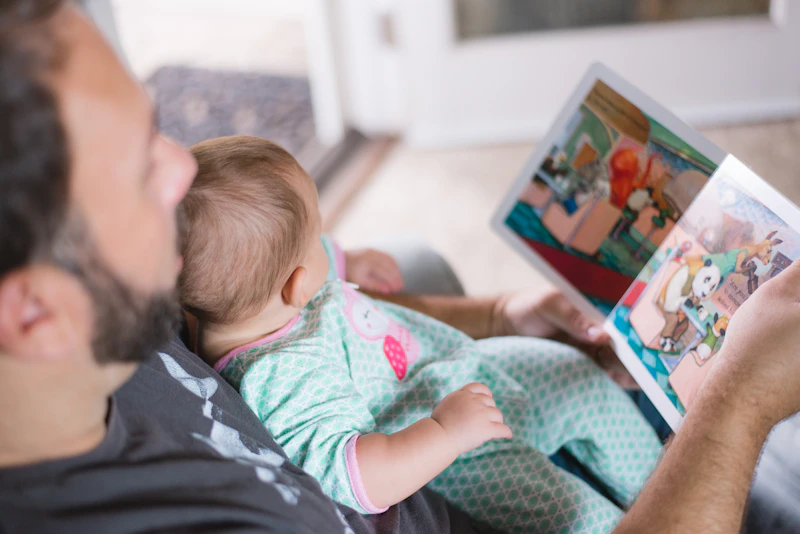
- Story Time: Read books about confident characters or overcoming challenges.
Let your child take the lead in these activities. Resist the urge to "fix" their work or guide their play too closely—trust in their abilities!
Handling Setbacks and Building Resilience
Setbacks are inevitable, but how you respond can make all the difference. When your child feels discouraged or frustrated:
- Validate Feelings: "I see you’re upset. That was hard."
- Offer Encouragement: "You tried your best—let’s try again together."
- Focus on Growth: "What did you learn? What could we do differently next time?"
- Model Calmness: Show patience and optimism, even when things don’t go as planned.
Remember, resilience and confidence go hand in hand. Children who learn to cope with challenges emerge stronger and more self-assured.
Positive Parenting: The Foundation of Confidence
Parenting style profoundly affects a child’s self-image. Positive parenting creates a safe, supportive environment where children feel valued and empowered. Here’s how:
- Unconditional Love: Remind your child that your love isn’t tied to accomplishments or behavior.
- Consistent Routines: Predictable schedules help children feel secure and capable.
- Open Communication: Listen actively, ask questions, and invite your child to share their thoughts.
- Encourage Exploration: Give your child space to try new things—even if it means making a mess!
Common Questions About Building Confidence in Preschoolers
- Why is confidence important for preschoolers?
- Confidence helps preschoolers develop social skills, resilience, and a positive self-image. It lays the foundation for learning, problem-solving, and healthy relationships throughout life.
- What are signs of low self-esteem in 3–5 year olds?
- Signs include reluctance to try new activities, frequent self-criticism, withdrawal from peers, and excessive seeking of approval from adults. Early intervention can help boost their confidence.
- How can parents help when their child feels discouraged?
- Offer empathy, validate their feelings, and provide gentle encouragement. Emphasize effort over outcome, celebrate small achievements, and help them see mistakes as learning opportunities.
- Are group activities good for building confidence?
- Yes! Group activities promote social skills, cooperation, and a sense of belonging, all of which boost self-esteem and confidence in preschoolers.
- Can praise affect a child's confidence?
- Absolutely. Specific, genuine praise helps reinforce positive behaviors and builds self-worth. Avoid excessive or generic praise, which can undermine authentic confidence.
Books and Resources for Raising Confident Preschoolers
- "I Can Handle It" by Laurie Wright – Teaches children positive self-talk and coping strategies.
- "Giraffes Can't Dance" by Giles Andreae – Celebrates uniqueness and perseverance.
- "The Feelings Book" by Todd Parr – Helps children identify and express emotions.
Explore local parenting groups, preschool programs, or online communities for additional support and inspiration.
Final Thoughts: Growing Confidence, One Giggle at a Time
Building confidence in 3–5 year olds is a joyful, ongoing process. It’s woven into every bedtime story, playful adventure, and heartfelt conversation. Remember: Your encouragement, patience, and belief in your child are the seeds that grow self-assured, resilient kids. Celebrate the small victories, embrace the messy moments, and watch your preschooler shine!
If you have questions or want to share your own confidence-building stories, join the Growing Giggles community—we’re here to support every step of your parenting journey.
Want more expert parenting tips? Subscribe to the Growing Giggles newsletter for fresh ideas, kid-friendly activities, and answers to your most pressing questions.