
How Newborns Learn Through Senses: A Research-Based Guide
Newborns arrive in the world with a remarkable ability to learn. Their primary tools: the senses. This article explores the clinical science behind how newborns learn through sight, sound, touch, taste, and smell, and how parents can nurture early sensory development.
Understanding Sensory Learning in Newborns
At birth, the human brain is a complex, yet immature organ. Sensory experiences rapidly shape neural pathways, laying the groundwork for cognitive, emotional, and physical development 1. The five senses—vision, hearing, touch, taste, and smell—are the gateways through which newborns explore, interact, and learn from their environment.
The Science Behind Sensory Development
Research in developmental neuroscience highlights that sensory input drives synaptic growth and pruning. Early exposure to rich, varied stimuli is critical for optimal brain maturation 2. Each sense matures at its own pace, influenced by genetics, prenatal factors, and environmental stimuli.
Exploring Each Sense: How Newborns Learn
Vision: Seeing the World for the First Time
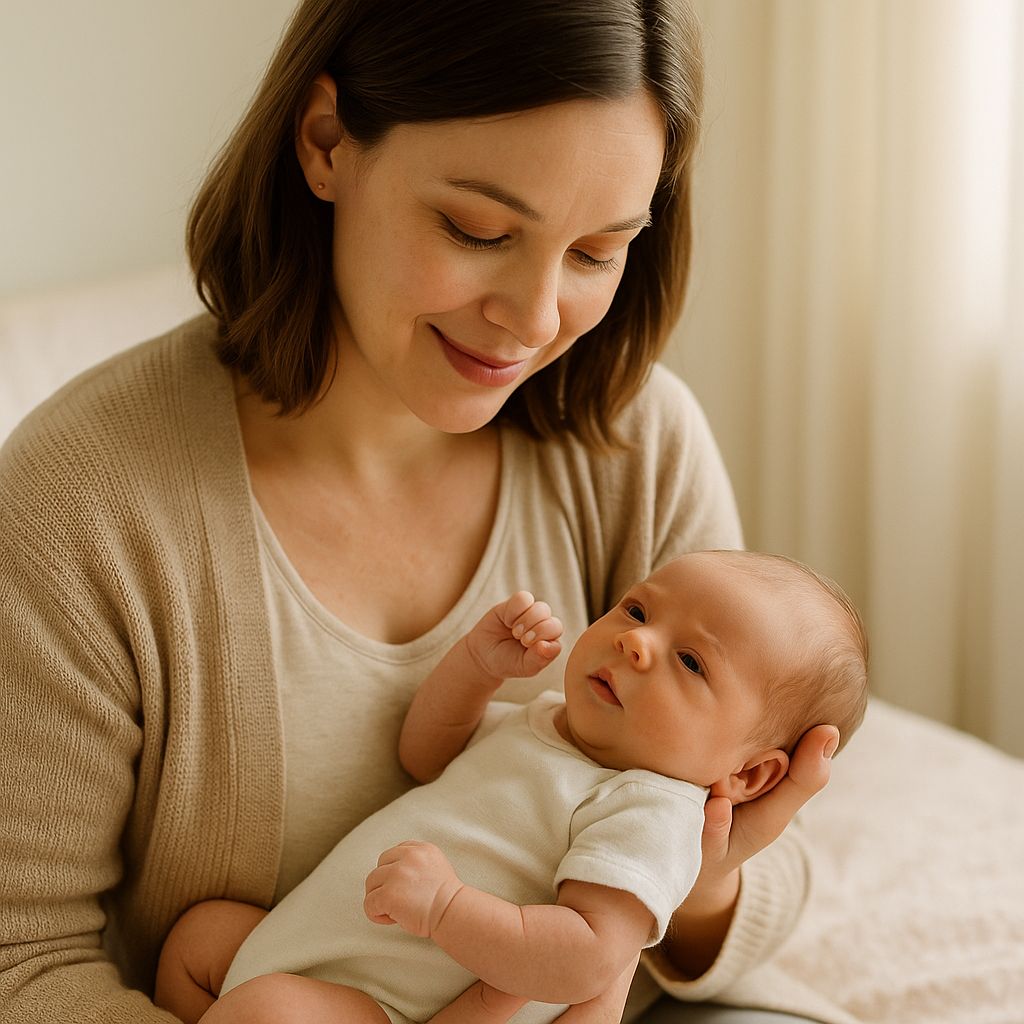
Newborns are not born with fully developed vision. They see best at a distance of 8–12 inches—a range that coincides with a parent's face during feeding 3. Visual acuity is limited, but newborns can discern high-contrast patterns and prefer faces. Over the first months, vision improves, enabling tracking, color recognition, and depth perception.
- Milestone: By 2–3 months, babies begin to follow moving objects and smile in response to visual stimuli.
- Parental Tip: Offer black-and-white toys or images, and maintain eye contact during interactions.
Hearing: Early Language and Bonding
Hearing is functional before birth; newborns recognize their mother's voice from the womb 4. Auditory experiences foster language acquisition, emotional bonding, and alertness. Newborns react to loud sounds, soothing rhythms, and speech patterns.
- Milestone: By 1 month, infants turn toward familiar voices and startle at loud noises.
- Parental Tip: Talk, sing, and expose your baby to a variety of gentle sounds.
Touch: Comfort and Exploration
Touch is the most developed sense at birth. Skin-to-skin contact regulates heart rate, body temperature, and promotes emotional security 5. Gentle stroking, swaddling, and holding stimulate tactile learning.
- Milestone: Newborns grasp fingers, respond to gentle touch, and seek physical closeness.
- Parental Tip: Use skin-to-skin care and offer varied textures (soft blankets, safe toys).
Taste and Smell: Recognizing Family and Feeding
Taste and smell are closely linked, helping newborns identify caregivers and feeding sources. Babies can distinguish their mother's scent and breastmilk, facilitating attachment and feeding behaviors 6.
- Milestone: Newborns turn toward breastmilk scent and show preference for sweet flavors.
- Parental Tip: Maintain contact during feeding and avoid strong perfumes near your baby.
The Role of Sensory Experiences in Brain Development
Clinical studies confirm that early sensory stimulation supports neural growth, emotional regulation, and learning capacity 7. The brain's plasticity allows newborns to adapt to diverse environments, but deprivation of sensory input may hinder development. Responsive caregivers play a pivotal role in providing safe, enriching sensory environments.
Critical Periods and Sensitive Windows
There are "critical periods" when the brain is most receptive to sensory input. For example, visual stimulation is vital during the first 6 months to prevent amblyopia (lazy eye). Similarly, exposure to language shapes auditory and speech centers. Parents should be alert to these windows and engage in age-appropriate sensory activities.
Parental Strategies: Fostering Sensory Learning
Parents and caregivers are a newborn's first teachers. Here are evidence-based strategies to promote sensory learning:
- Responsive Interaction: Respond promptly to your baby's cues—smiles, cries, and gestures. This builds trust and enhances learning.
- Safe Exploration: Create a secure environment where your baby can touch, see, and hear without risk.
- Varied Stimulation: Offer a range of sensory experiences—different sounds, textures, and visual patterns.
- Routine and Consistency: Regular routines provide predictability, which supports sensory processing.
- Mindful Observation: Watch for signs of overstimulation or discomfort, and adjust accordingly.
Sensory Milestones: What to Expect
| Sense | Milestone | Typical Age |
|---|---|---|
| Vision | Tracks objects, recognizes faces | 2–3 months |
| Hearing | Turns toward voices, startles at loud sounds | 1–2 months |
| Touch | Grasps fingers, responds to stroking | Birth–1 month |
| Taste/Smell | Prefers mother's scent, sweet flavors | Birth–1 month |
Monitoring Sensory Development: When to Seek Help
Most newborns reach sensory milestones on their own timeline. However, persistent lack of response to stimuli (e.g., not turning toward sound or limited eye contact) may indicate sensory processing issues. Consult a pediatrician if concerns arise, as early intervention is crucial.
The Impact of Culture and Environment
Sensory learning is influenced by cultural practices, family routines, and environmental factors. For instance, baby-wearing, music exposure, and family meals shape sensory experiences. Research shows that rich, diverse environments promote resilience and adaptability 8.
Frequently Asked Questions
- Why are sensory experiences important for newborns?
- Sensory experiences drive brain development, helping newborns form connections, recognize caregivers, and understand their environment. Early sensory stimulation supports cognitive, emotional, and physical growth.
- How can parents support sensory learning in newborns?
- Parents can support sensory learning by providing safe, varied experiences—talking to the baby, offering gentle touch, exposing them to different sounds, and using contrasting visual patterns.
- Do all newborns develop their senses at the same rate?
- No, each newborn develops at their own pace. Some senses, like touch and hearing, are well-developed at birth, while vision matures over several months. Monitoring milestones is important, but individual variation is normal.
- What are signs of sensory issues in newborns?
- Signs of sensory issues include lack of response to loud noises, limited eye contact, absence of startle reflex, or indifference to touch. If concerns arise, consult a pediatrician for evaluation.
Conclusion: Nurturing a Newborn's Sensory Journey
Newborns learn through their senses in profound ways. Every touch, sound, sight, taste, and smell shapes their understanding of the world. By providing enriching, safe experiences and monitoring milestones, parents lay the foundation for lifelong learning, emotional wellbeing, and cognitive growth. Stay attuned to your baby's cues, consult with experts when needed, and celebrate each sensory milestone as your child discovers the world one sense at a time.
References
- Fox SE, Levitt P, Nelson CA III. How the timing and quality of early experiences influence the development of brain architecture. Child Development. 2010.
- Kolb B, Gibb R. Brain plasticity and behavior in the developing brain. Journal of Canadian Academy of Child and Adolescent Psychiatry. 2011.
- Johnson MH. Developmental Cognitive Neuroscience. Oxford University Press, 2011.
- Moon C, Lagercrantz H, Kuhl PK. Maternal voice and heartbeat sounds in the fetus. Journal of Perinatology. 2013.
- Feldman R, Eidelman AI. Skin-to-skin care for newborns: Clinical outcomes. Pediatrics. 2003.
- Porter RH, Winberg J. Unique features of newborns' olfactory perception. Chem Senses. 2003.
- Walker SP et al. Early childhood stimulation and brain development. The Lancet. 2011.
- Sylva K, Melhuish E, Sammons P et al. The Effective Provision of Pre-School Education Project. 2004.