
How the Environment Impacts Baby Development: Key Factors Every Parent Should Know
The environment in which a baby grows is a dynamic and powerful force that shapes every facet of their development. From physical growth to cognitive abilities and emotional resilience, environmental factors play a pivotal role in the trajectory of early childhood. Understanding these influences empowers parents to make informed choices and nurture their children’s potential from day one.
What Is the 'Environment' in Baby Development?
For babies, the environment encompasses all external conditions, experiences, and stimuli that surround them. This includes:
- The home setting (physical and emotional safety, cleanliness, stimulation)
- Parental and caregiver interactions
- Social relationships (siblings, extended family, community)
- Nutrition and health care
- Exposure to toxins (smoke, chemicals, pollution)
- Opportunities for play and exploration
Physical Development: How the Environment Shapes Growth
Physical development includes growth in height, weight, motor skills, and bodily coordination. Here’s how environmental factors influence these:
- Nutrition: Adequate nutrition is the cornerstone of physical development. Breastfeeding, formula, and later solid foods provide essential nutrients for growth. Deficiencies can lead to stunted growth or delayed motor milestones.
- Safe spaces: Babies need environments free from hazards (sharp objects, choking risks, unsafe furniture). Safe spaces allow them to explore, crawl, and walk without injury.
- Physical stimulation: Opportunities for movement—tummy time, supervised play, and interactive toys—help babies build muscle strength and coordination.
- Exposure to toxins: Secondhand smoke, lead, and other chemicals can impair physical development, leading to respiratory issues or developmental delays.
Practical Tips for Parents
- Maintain a clean, hazard-free home environment.
- Prioritize nutritious meals and snacks appropriate for your baby's age.
- Encourage regular physical activity and movement.
- Limit exposure to environmental toxins by choosing safe cleaning products and avoiding smoking indoors.
Cognitive Development: The Role of Stimulation and Interaction
Cognitive development refers to a baby’s ability to think, learn, remember, and solve problems. The brain’s rapid growth during infancy is heavily influenced by environmental factors:
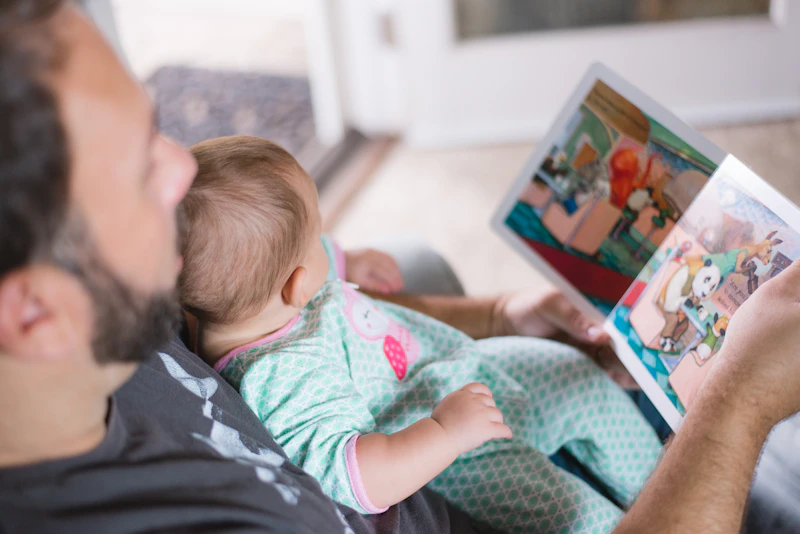
- Language Exposure: Babies learn language through hearing, seeing, and interacting with caregivers. The quantity and quality of words spoken to a child directly affect vocabulary and communication skills.
- Stimulation: Age-appropriate toys, music, books, and sensory experiences (textures, colors, sounds) nurture curiosity and learning.
- Responsive Interaction: Babies thrive when caregivers respond to their cues, engage in eye contact, and encourage exploration.
- Routine: Consistent daily routines help babies predict and understand their world, building cognitive organization.
Practical Tips for Parents
- Talk, read, and sing to your baby daily.
- Offer toys and activities that encourage exploration and problem-solving.
- Respond promptly to your baby's needs and cues.
- Establish predictable routines (feeding, sleeping, play) to build security and understanding.
Emotional and Social Development: Creating a Nurturing Climate
Babies rely on caregivers to develop emotional security and social skills. A nurturing environment is critical for:
- Attachment: Loving, responsive caregiving fosters secure attachment, which is foundational for future relationships and emotional health.
- Emotional Regulation: Calm, supportive environments help babies learn to manage their feelings and reactions.
- Social Interaction: Exposure to different people and social situations builds confidence, empathy, and communication skills.
- Stress Reduction: Chronic stress—such as household conflict or instability—can disrupt emotional development and lead to behavioral issues.
Practical Tips for Parents
- Provide consistent love, comfort, and reassurance.
- Model positive social behaviors and emotional expression.
- Encourage gentle introductions to new people and environments.
- Minimize household stress and maintain routines.
Environmental Risks: The Impact of Toxins and Stress
Not all environmental factors are positive. Certain exposures can hinder development:
- Toxins: Lead, pesticides, secondhand smoke, and other pollutants can cause cognitive delays, respiratory issues, and behavioral problems. It's crucial to minimize these risks by choosing safe products and maintaining clean air.
- Chronic Stress: Ongoing stress—due to parental conflict, financial instability, or trauma—can alter a baby's brain structure, affecting learning and emotional regulation.
Practical Tips for Parents
- Test for lead and other toxins in your home.
- Use non-toxic cleaning and personal care products.
- Seek support for managing household stress or mental health concerns.
- Stay informed about recalls and safety alerts for baby products.
The Role of Outdoor Environment
Outdoor environments offer unique benefits for development:
- Sensory Exploration: Nature exposes babies to new sights, sounds, textures, and smells, enhancing sensory processing.
- Physical Activity: Outdoor play encourages gross motor skills like crawling, walking, and climbing.
- Immune Support: Fresh air and sunlight support immune health and Vitamin D production.
Practical Tips for Parents
- Supervise outdoor play and ensure age-appropriate safety measures.
- Dress your baby appropriately for weather conditions.
- Introduce natural elements (grass, leaves, water) for sensory exploration.
The Influence of Socioeconomic Factors
Family resources and socioeconomic status can impact the quality and diversity of a baby's environment:
- Access to Health Care: Regular checkups and vaccinations are vital for healthy development.
- Educational Materials: Books, toys, and learning opportunities support cognitive growth.
- Parental Support: Parents with access to community resources, support groups, and education are better equipped to provide enriching environments.
Practical Tips for Parents
- Connect with local parenting groups and community resources.
- Utilize public libraries and free educational programs.
- Seek guidance from healthcare professionals regarding nutrition and development.
Early Intervention: Recognizing and Addressing Environmental Challenges
Early intervention is key when environmental factors hinder development. Signs to watch for include:
- Delayed milestones (sitting, crawling, walking, talking)
- Frequent illness
- Behavioral challenges
- Poor appetite or growth
If concerns arise, consult a pediatrician or child development specialist. Early support can mitigate risks and help your child reach their full potential.
Conclusion: The Power of a Positive Environment
Babies are remarkably adaptive, but their development is profoundly shaped by the environments in which they grow. Parents and caregivers are the architects of these environments, able to construct safe, stimulating, and nurturing spaces that support lifelong health and learning. By understanding the key environmental influences—and addressing risks proactively—you can give your child the best foundation for growth and happiness.