
How Babies Start Communicating (3–12 Months): Milestones, Tips, and Expert Insights
Communication is the foundation of human connection, and it starts earlier than many parents realize. From the first social smile to the babbling sounds that precede meaningful words, infants begin weaving the intricate tapestry of language between 3 and 12 months. Understanding how babies start communicating during this critical period is key for fostering healthy development and forming strong bonds.
Why Early Communication Matters
Early communication isn’t just about speech; it’s a blend of sounds, gestures, expressions, and emotional cues. These interactions are vital for cognitive, social, and emotional growth. Through communication, babies learn about their environment, build relationships, and lay the groundwork for future language skills.
Developmental Milestones: 3–12 Months
Babies progress through a series of communication milestones in their first year. While each child follows their unique trajectory, understanding general stages can help parents recognize and support development.
3–6 Months: The Social Smile and Early Sounds
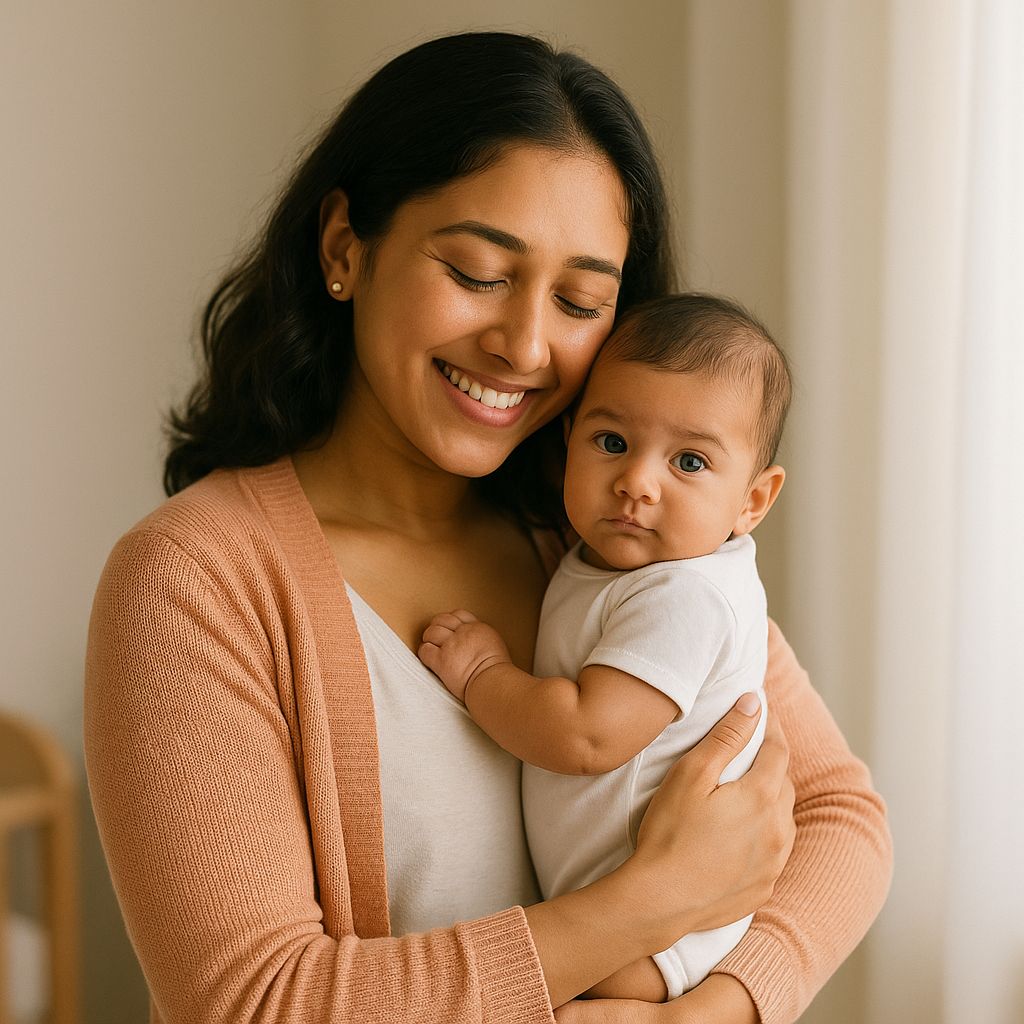
- Social Smile: Around three months, babies begin to smile in response to familiar faces and voices, signaling their interest and engagement.
- Cooing: Soft vowel sounds ("ah," "oh," "oo") emerge, often accompanied by smiles or eye contact.
- Eye Contact: Babies start to sustain eye contact, a crucial nonverbal cue.
- Listening and Turning: Babies turn their heads toward sounds, especially familiar voices, indicating growing auditory awareness.
6–9 Months: Babbling and Gestures
- Babbling: Repetitive consonant sounds ("ba-ba," "da-da") mark a major milestone. Babbling is a precursor to speech and shows how babies experiment with sounds.
- Gestures: Simple gestures like reaching, pointing, or waving begin to appear.
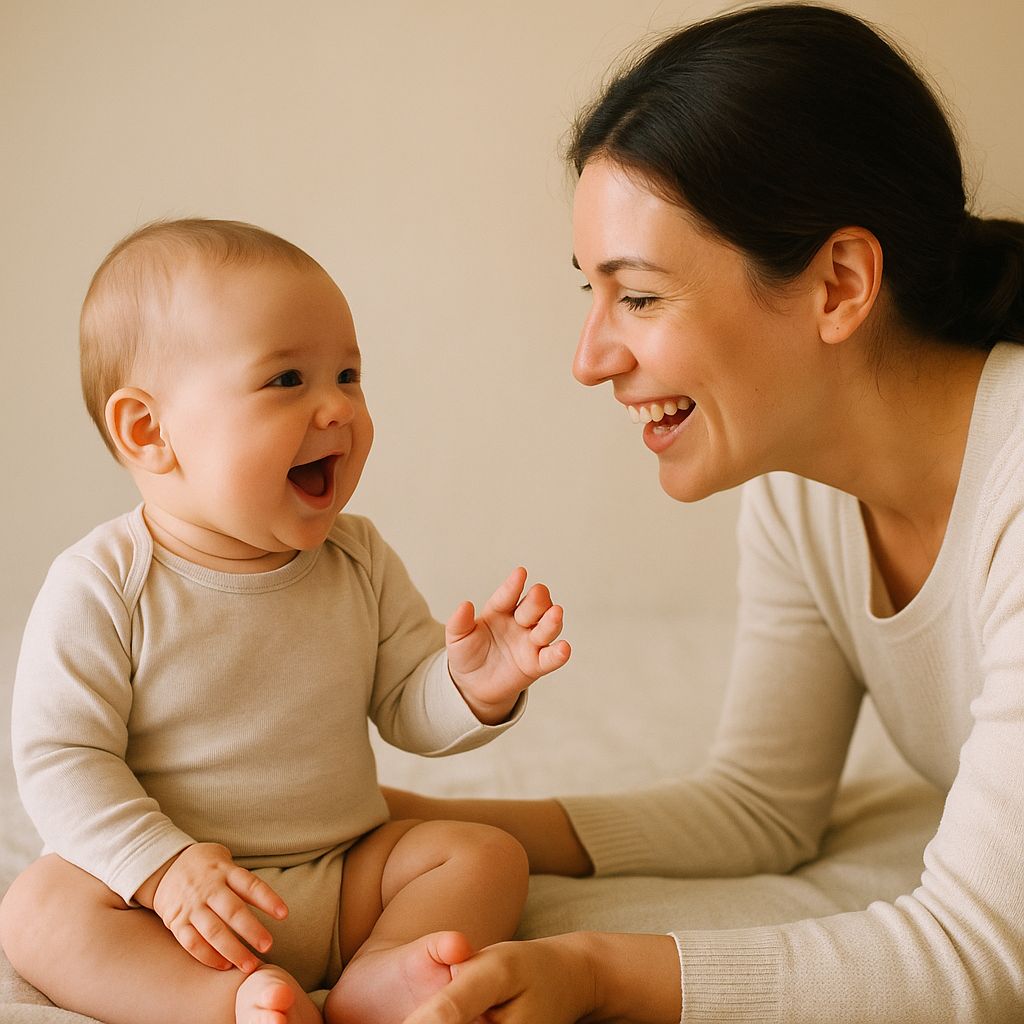
- Responsive Smiling and Laughing: Babies smile or laugh in response to playful interactions, reflecting their ability to communicate pleasure.
- Recognizing Names: Many babies start to respond to their own name by turning or smiling.
9–12 Months: Intentional Communication
- Jargon Babbling: Babbling becomes more varied and speech-like, with changes in tone and rhythm.
- First Words: Some babies say their first words (“mama,” “dada,” “bye-bye”) around their first birthday.
- Pointing and Waving: Intentional gestures are used to request or share objects and experiences.
- Understanding Simple Instructions: Babies begin to comprehend simple commands like "come here."
- Imitation: Imitating sounds, facial expressions, and gestures becomes more common.
The Science Behind Infant Communication
Research indicates that the brain’s language centers are rapidly developing during infancy. Neural pathways are shaped by exposure to speech, interaction, and emotional responses. According to the American Speech-Language-Hearing Association (ASHA), early communication experiences directly influence later language proficiency and social skills.
Babies are wired to learn through observation and imitation. Responsive exchanges—where caregivers react to a baby’s cues—stimulate neural growth and nurture the foundations of language.
Factors Influencing Early Communication
- Genetics: Some aspects of language development are inherited, but environment plays a significant role.
- Environment: Babies exposed to rich language environments develop communication skills faster. This includes talking, reading, singing, and responsive interactions.
- Health and Hearing: Hearing loss can delay communication milestones, so regular hearing checks are essential.
- Parenting Style: Responsive, nurturing parenting encourages babies to communicate and explore sounds.
How Parents Can Support Early Communication
Parents and caregivers are a baby’s first teachers. Here are evidence-based strategies to nurture communication:
1. Talk Often
Speak to your baby throughout the day, narrating activities, describing objects, and expressing emotions. Babies absorb language even before they can respond.
2. Listen and Respond
When your baby coos, babbles, or gestures, respond enthusiastically. This teaches them that communication is a two-way process.
3. Read Aloud
Reading to your baby exposes them to new vocabulary and rhythms. Choose simple picture books and point out images while naming them.
4. Use Facial Expressions and Gestures
Exaggerate facial expressions and use gestures to reinforce meaning. Babies learn to associate expressions with feelings and intentions.
5. Sing and Play
Singing familiar songs and playing interactive games (like peek-a-boo) foster engagement and stimulate speech development.
6. Encourage Turn-Taking
Pause to allow your baby to "reply" with sounds or gestures. This builds conversational skills and helps them understand social interactions.
7. Limit Screen Time
Face-to-face interaction is more beneficial than passive screen time. Babies learn best from real-life communication.
Recognizing Communication Challenges
While every baby develops at their own pace, certain signs warrant attention:
- No cooing or babbling by 6 months
- No response to voices or sounds
- No gestures (pointing, waving) by 9 months
- No first words by 12 months
If you notice significant delays, consult your pediatrician or a speech-language specialist. Early intervention can address underlying issues and support healthy development.
Frequently Asked Questions
- What are the first signs of communication in infants?
- The first signs include cooing, smiling, eye contact, and responding to voices. These behaviors usually begin around 3 months and signal a baby's growing awareness of their environment and ability to engage socially.
- How can I encourage my baby’s communication skills?
- Speak frequently with your baby, respond to their sounds and gestures, read aloud, and use facial expressions. Creating a responsive and stimulating environment helps nurture early language skills.
- When should I be concerned about my baby’s communication development?
- If your baby isn't making sounds, showing interest in voices, or attempting to communicate by 9–12 months, consult your pediatrician. Early intervention can address potential developmental delays.
Expert Insights: The Parent’s Role
Dr. Emily Sanderson, a pediatric speech-language pathologist, emphasizes, "The most important factor in early communication is responsive interaction. Babies thrive when caregivers engage with them, interpret their signals, and provide consistent feedback."
She recommends integrating communication into everyday routines: "Talk during mealtime, bath time, and play. These moments are rich opportunities for building language and social skills."
Common Myths about Early Communication
- Myth: Babies need to talk before you talk to them.
Fact: Babies benefit from hearing speech long before they can respond. Early exposure is vital. - Myth: Passive listening (TV, audio) is enough.
Fact: Interactive communication is far more effective than passive exposure. - Myth: Boys develop language slower than girls.
Fact: While there is slight variation, both genders benefit equally from supportive environments.
Activities to Foster Communication
- Mirror Play: Make faces and encourage your baby to imitate.
- Object Naming: Point to objects and name them clearly.
- Peek-a-Boo: Builds turn-taking skills and encourages vocalization.
- Singing: Repetitive songs with simple lyrics help babies grasp rhythm and meaning.
- Story Time: Even simple picture books enhance vocabulary and listening skills.
Communication Milestones Chart (3–12 Months)
| Age | Milestone | Parent Tips |
|---|---|---|
| 3–6 Months | Smiling, cooing, eye contact, responding to sounds | Talk and smile often; respond to coos |
| 6–9 Months | Babbling, gestures, laughing, responding to name | Encourage babbling; use gestures and play games |
| 9–12 Months | Jargon babbling, first words, pointing, following instructions | Name objects; celebrate first words; read aloud |
Summary: Building the Foundations of Communication
From the first smile to the first word, infant communication is a remarkable journey of discovery. Each milestone marks a step toward independence and connection. Parents play a crucial role by creating a nurturing, responsive environment rich in language, gestures, and emotional support. By understanding how babies start communicating between 3 and 12 months, you can foster your child’s growth and celebrate the milestones that shape their early years.
Further Resources
- ASHA: Infant Speech and Language Development
- CDC: Positive Parenting Tips for Infants
- Zero to Three: Early Language and Literacy Development
Growing Giggles is dedicated to empowering parents with expert guidance, practical tips, and research-backed advice for every stage of childhood.