How Babies Learn Through Everyday Experiences: Unlocking the Power of Daily Interactions
Babies are natural learners. From the moment they are born, their senses are constantly engaged, absorbing information from their environment, caregivers, and routines. While many parents wonder about the best ways to stimulate their child’s development, the truth is that everyday experiences—those simple, repetitive interactions—are among the most powerful tools for nurturing growth. In this comprehensive guide, we’ll explore how babies learn through daily encounters, the science behind early learning, and practical strategies for parents to maximize these opportunities.
Understanding Baby Brain Development
The first years of life are marked by rapid brain growth. According to developmental psychologists, a baby’s brain doubles in size during the first year, and by age three, it has reached 80% of its adult volume. This extraordinary growth is fueled by interactions and sensory experiences.
- Neural Connections: Every time a baby sees, hears, touches, tastes, or smells something new, their brain forms and strengthens neural pathways.
- Responsive Caregiving: When parents respond to cries, babbles, or smiles, babies learn about communication, trust, and emotional regulation.
- Repetition: Routine activities build memory and understanding. Repeating songs, games, and words helps babies recognize patterns and meanings.
The Science of Everyday Learning
Research in early childhood development reveals that learning is not confined to formal settings. Instead, it happens everywhere: during diaper changes, feeding, play, and even walks outside. Dr. Alison Gopnik, a renowned child psychologist, emphasizes that babies are like “little scientists,” constantly experimenting and interpreting feedback from their world.
- Sensory Exploration: Babies use their senses to make sense of their surroundings. Touching different textures, listening to voices, and tasting new foods are all forms of learning.
- Social Interaction: Face-to-face communication, eye contact, and mimicry help babies understand language and emotions.
- Physical Movement: Rolling, crawling, and reaching for objects develop motor skills and spatial awareness.
How Everyday Experiences Shape Learning
Everyday experiences are filled with teachable moments. Routine activities offer rich opportunities for learning:
1. Feeding Time
Feeding isn’t just about nutrition—it’s a multisensory experience. When you talk to your baby, name foods and utensils, and allow them to touch or taste different textures, you’re building language, sensory awareness, and fine motor skills.
2. Bathing and Dressing
Bath time introduces new sensations: water temperature, bubbles, and toys. Dressing provides chances to identify body parts, practice hand-eye coordination, and learn about clothing.
3. Play and Exploration
Play is the cornerstone of learning. Simple games like peek-a-boo teach object permanence, while stacking blocks or banging pots develop problem-solving and motor skills. Outdoor walks expose babies to nature, sounds, and new environments.
4. Communication
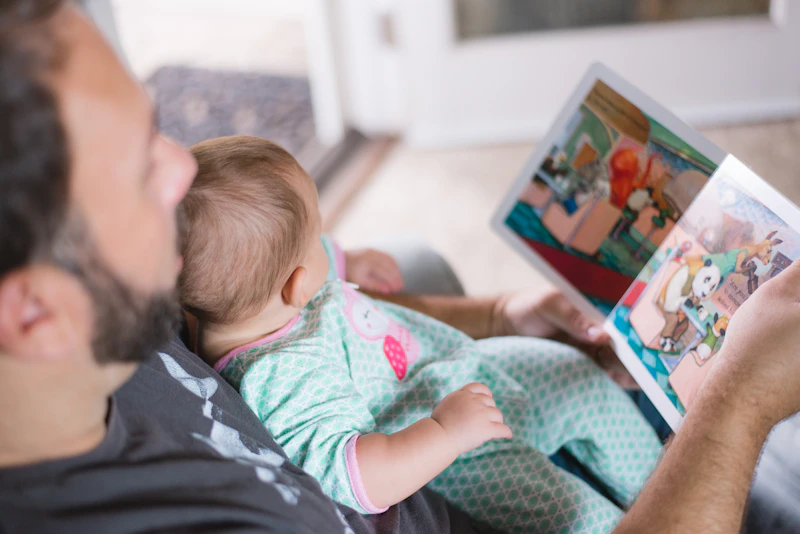
Responding to coos, babbles, and cries teaches babies about conversation and emotional expression. Reading aloud, singing songs, and narrating daily tasks build vocabulary and comprehension.
5. Routines and Rituals
Consistent routines give babies a sense of security and predictability. Saying “good morning,” reading before bed, and mealtime rituals build memory and social understanding.
Practical Tips for Parents: Making the Most of Everyday Learning
Parents are babies’ first and most important teachers. Here’s how you can maximize learning during daily routines:
- Talk About What You’re Doing: Narrate your actions. “Now we’re putting on your socks. These are blue and soft.”
- Encourage Exploration: Let babies touch safe household items, explore textures, or watch bubbles float.
- Respond to Cues: Notice when your baby smiles, babbles, or reaches for something. Responding teaches communication and emotional understanding.
- Use Repetition: Repeat songs, stories, and games. Babies thrive on familiarity and pattern recognition.
- Involve Babies in Tasks: Even simple chores, like folding laundry or stirring food, are learning opportunities. Let your child participate in age-appropriate ways.
- Read and Sing Together: Daily reading and singing nurture language, rhythm, and bonding.
- Offer Choices: “Would you like the red cup or the blue cup?” Simple choices teach decision-making and independence.
Learning Through Play: More Than Just Fun
Play is a baby’s work. Through play, they test ideas, practice skills, and enjoy discovery. According to the American Academy of Pediatrics, unstructured play is essential for healthy development.
- Physical Play: Tummy time, crawling, climbing, and reaching help develop muscles and coordination.
- Imaginative Play: Pretend games, puppet shows, and dress-up foster creativity and problem-solving.
- Social Play: Playing with siblings, parents, or other children develops sharing, empathy, and cooperation.
Common Misconceptions About Baby Learning
Many parents worry about providing the “right” toys or enrolling in programs. In reality, everyday experiences are often more valuable than specialized products:
- Myth: Babies need expensive educational toys to learn.
- Fact: Simple household items, like measuring spoons or soft cloths, provide rich sensory and learning opportunities.
- Myth: Structured lessons are necessary for early development.
- Fact: Learning happens organically through daily interactions and play.
The Role of Culture and Environment
Cultural practices and the home environment shape how babies experience the world. Singing traditional songs, sharing family routines, and exposing babies to diverse languages all contribute to learning. A safe, nurturing environment is the foundation for exploration and growth.
Signs of Learning and Development
Babies show learning in many ways. Look for:
- Increased curiosity and engagement
- Repeating actions or sounds
- Responding to cues and routines
- Trying new movements or expressions
- Recognizing familiar people and objects
If you notice delays in milestones, consult your pediatrician. Every child develops at their own pace, but early intervention can support growth if needed.
Expert Insights: The Power of Responsive Parenting
Responsive parenting—being attuned to your baby’s signals and needs—builds trust and fosters learning. Experts recommend:
- Making eye contact and smiling
- Responding promptly to cries or babbles
- Encouraging exploration while ensuring safety
- Celebrating achievements, big and small
These simple acts create a rich, supportive environment for learning.
Conclusion: Embracing the Power of Everyday Experiences
Babies are constantly learning, not just in structured settings but through every moment of daily life. By understanding the science behind early learning and embracing routine interactions, parents can nurture their child’s growth in profound ways. Remember: every smile, song, and shared experience is building the foundation for lifelong development.
So, celebrate the small moments. Talk, play, explore, and connect—because the world is a classroom, and your baby is ready to learn.