
How Babies Learn Cause and Effect: Understanding Early Development
From their earliest days, babies are hardwired to explore, experiment, and learn. One of the most fundamental skills they develop is an understanding of cause and effect—the concept that actions lead to outcomes. This cognitive milestone is not only fascinating to observe but essential for future learning, problem-solving, and emotional growth. In this article, we'll delve into how babies learn cause and effect, why it matters, and how parents can support their child's development through everyday interactions and play.
What Is Cause and Effect?
Cause and effect refers to the relationship between an action (the cause) and the resulting outcome (the effect). For babies, this means realizing that their behavior—whether it's shaking a rattle, kicking a mobile, or making a sound—can produce a change in their environment. This discovery is a stepping stone to understanding the world, developing communication, and building the skills needed for future learning.
Why Is Cause and Effect Important in Early Development?
Understanding cause and effect is foundational for cognitive growth. It enables babies to:
- Predict outcomes based on actions
- Problem-solve and adapt strategies
- Develop language by connecting words to actions
- Build confidence and autonomy
- Interact meaningfully with their environment
This skill also supports emotional development, as babies learn that their needs can be met when they communicate effectively with caregivers.
How Babies Develop Cause and Effect Understanding
Babies don't wake up one day with a full grasp of cause and effect. Instead, this skill emerges gradually as they interact with their surroundings. Here’s how it typically unfolds:
Newborns (0-3 Months): Sensory Exploration
In the earliest stage, babies explore the world through their senses. When a newborn cries, they soon discover that a caregiver responds by picking them up, feeding them, or soothing them. This basic understanding of cause (crying) and effect (comfort) is the seed of later, more complex reasoning.
Infants (3-6 Months): Accidental Discovery
By three months, babies start to notice that their actions—like kicking or waving arms—can make toys move or produce sounds. These discoveries are often accidental, but babies quickly repeat the action to see the effect again.
Older Infants (6-12 Months): Intentional Actions
At this stage, babies become more purposeful. They bang objects to make noise, drop toys to see if someone picks them up, or press buttons on interactive toys. Their experimentation helps them refine their understanding and builds problem-solving skills.
Toddlers (12+ Months): Complex Relationships
As toddlers, children begin to understand more complex cause and effect relationships. They might realize that flipping a light switch turns the light on, or that pushing a toy car makes it roll. Their actions become more intentional, and they often seek out new ways to test their influence on the world.
Key Milestones in Cause and Effect Learning
- 2-4 months: Recognizing that crying elicits a response from caregivers
- 4-6 months: Repeatedly kicking or hitting objects to produce movement or sound
- 6-9 months: Dropping toys to watch what happens; using simple toys with buttons or levers
- 9-12 months: Purposefully manipulating objects to create predictable outcomes
- 12-18 months: Understanding more abstract cause and effect (e.g., pouring water makes a splash)
The Science Behind Cause and Effect Learning
Research in developmental psychology shows that cause and effect learning is rooted in sensorimotor experiences. Babies use trial and error to build a repertoire of actions and outcomes. The brain’s neural pathways strengthen as babies repeat actions and observe results, supporting memory and cognitive development. Studies suggest that even very young infants can recognize patterns and anticipate outcomes, laying the groundwork for logical reasoning.
How Parents Can Support Cause and Effect Learning
Parents play a critical role in nurturing this skill. Here are expert-approved strategies:
1. Provide Responsive Interaction
When your baby vocalizes, responds with smiles, or reaches for you, react promptly and consistently. This reinforces their understanding that communication leads to outcomes.
2. Offer Cause and Effect Toys
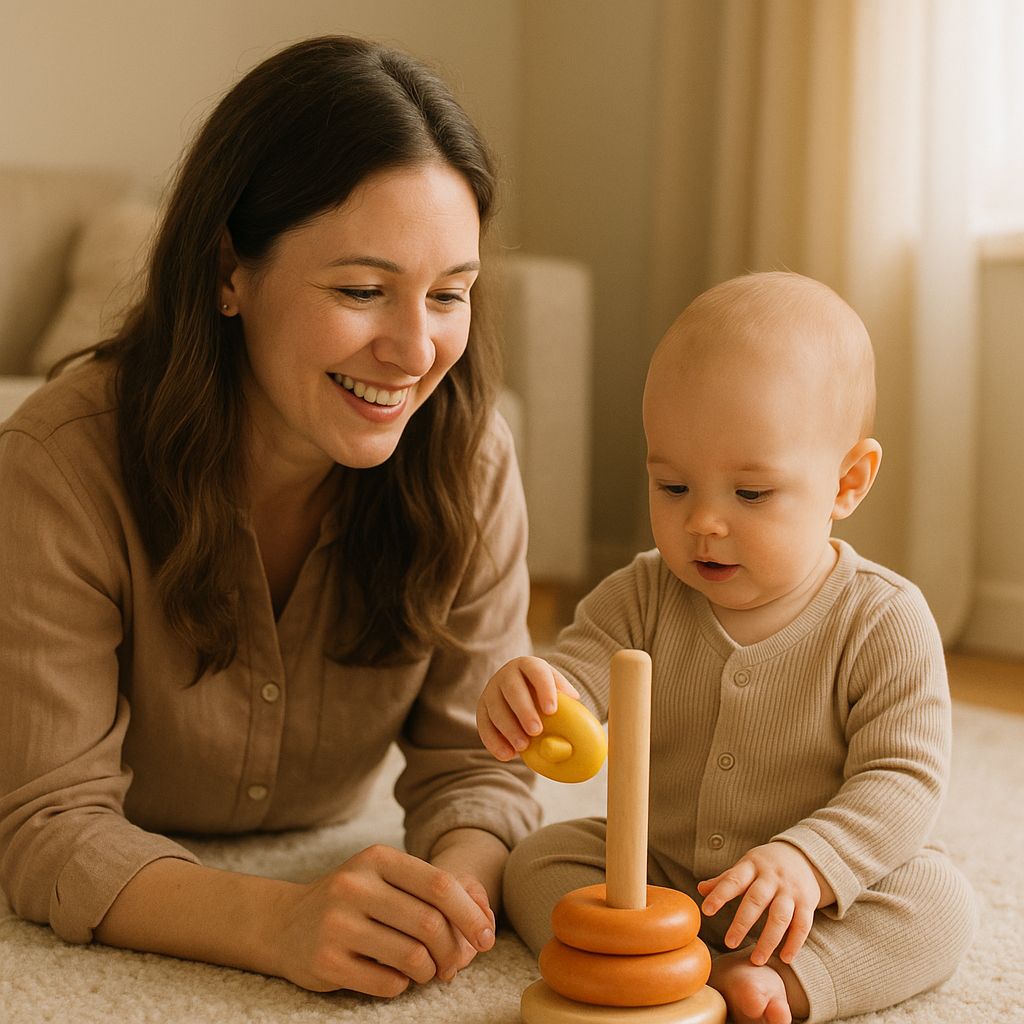
Toys like rattles, pop-up boxes, stacking rings, and musical instruments encourage babies to experiment. Choose items that respond in obvious ways to actions, such as making noise or moving.
3. Engage in Interactive Play
- Peekaboo: Teaches that hiding and uncovering faces leads to laughter or surprise
- Rolling balls: Shows that pushing causes movement
- Water play: Pouring and splashing teaches cause and effect in a sensory-rich environment
4. Narrate Experiences
Describe actions and outcomes as they happen. For example, "When you press the button, the toy lights up!" This helps babies connect language to concepts.
5. Allow Safe Exploration
Give your child opportunities to experiment in a safe, supervised space. Allowing them to drop toys, splash water, or press buttons lets them learn through trial and error.
6. Model Cause and Effect
Demonstrate simple actions and their results. For example, show how opening a cabinet reveals hidden items, or how shaking a bottle makes a sound. Invite your child to imitate you.
Everyday Activities to Encourage Cause and Effect Learning
Incorporate these activities into daily routines:
- Bath time: Pouring water, splashing, and using floating toys
- Meal time: Stirring, dropping food, or pressing sippy cup buttons
- Story time: Flipping pages to see different pictures
- Playground: Pushing swings, sliding, or playing with interactive equipment
Signs Your Baby Is Learning Cause and Effect
- Repeats actions expecting a result (e.g., banging, dropping, pressing)
- Watches closely after performing an action
- Experiments with ways to produce a desired effect
- Responds to cues and initiates interactions
Challenges and Variations in Cause and Effect Learning
Every child develops at their own pace. Some may show early interest in cause and effect activities, while others may take more time. Factors that influence learning include:
- Temperament: Some babies are naturally more curious or persistent
- Environment: Access to stimulating toys and responsive caregivers
- Health and Development: Prematurity, sensory differences, or developmental delays can affect progress
If you’re concerned about your child’s development, consult your pediatrician for guidance.
Long-Term Impact of Cause and Effect Learning
The ability to understand cause and effect sets the stage for:
- Critical thinking and reasoning
- Language acquisition and communication
- Social interaction
- Academic success
- Emotional regulation
As children grow, their understanding becomes more sophisticated, helping them navigate challenges and make informed decisions.
Frequently Asked Questions
- At what age do babies start understanding cause and effect?
Babies begin exploring cause and effect as early as 2-4 months old, typically through sensory experiences and simple actions like kicking, reaching, or vocalizing. This understanding deepens and becomes more intentional during the second half of the first year. - How can parents help their baby learn cause and effect?
Parents can support cause and effect learning by providing toys and activities that respond to actions, engaging in playful interactions, narrating experiences, and allowing babies to experiment in safe environments. - Why is learning cause and effect important for babies?
Cause and effect lays the groundwork for logical thinking, problem-solving, and language development. It helps babies understand their influence on the world and builds confidence in their abilities. - What are some signs my baby is learning cause and effect?
Signs include repeated actions to see a result (e.g., dropping objects, banging toys), watching reactions closely, trying new ways to interact with their environment, and responding to parental cues.
Conclusion: Nurturing Cause and Effect in Early Childhood
Learning cause and effect is a remarkable journey that begins in infancy and continues throughout childhood. By recognizing milestones, offering supportive environments, and engaging in responsive interactions, parents can help their children build this essential skill. Every experiment, giggle, and discovery brings your child closer to understanding their world—and their role in it. For more expert insights and parenting resources, explore the articles on Growing Giggles.