
How Babies Form Attachments with Parents: Understanding Early Bonds
Attachment is more than a warm feeling; it’s a fundamental process that shapes a child’s emotional and social development. The bonds that babies form with their parents are the foundation for lifelong relationships, influencing everything from self-esteem to resilience. Understanding how babies form attachments with parents helps caregivers nurture secure, loving connections that set children up for success.
What Is Attachment?
Attachment refers to the deep emotional bond that develops between a baby and their primary caregivers, most commonly parents. This bond is essential for the child’s sense of safety and security. The concept of attachment was first explored by psychologist John Bowlby, whose attachment theory describes how early relationships influence development.
Attachment is not just about physical closeness—it’s about emotional availability, responsiveness, and consistency. Babies rely on parents to meet their needs, comfort them in distress, and provide a secure base from which to explore the world.
Why Attachment Matters
Secure attachment is linked to numerous positive outcomes:
- Emotional regulation
- Social competence
- Confidence and independence
- Reduced risk of behavioral problems
- Better stress management
Children with secure attachment tend to be more empathetic, resilient, and capable of forming healthy relationships throughout life.
The Stages of Attachment Formation
Attachment doesn’t happen overnight. It unfolds in predictable stages during infancy:
- Pre-attachment (Birth to 6 Weeks): Babies show indiscriminate social responses—crying, smiling, and cooing to gain attention from anyone.
- Attachment-in-the-Making (6 Weeks to 6-8 Months): Babies start to prefer familiar caregivers, responding differently to parents than to strangers.
- Clear-Cut Attachment (6-8 Months to 18 Months): Babies demonstrate attachment behaviors like separation anxiety, seeking comfort and proximity to parents.
- Formation of Reciprocal Relationships (18 Months and Beyond): Toddlers begin to understand parental motives and negotiate closeness, leading to more complex interactions.
How Babies Form Attachments
The process of forming attachments is shaped by daily interactions and caregiving behaviors. Here’s how it unfolds:
1. Responsive Caregiving
When parents consistently respond to their baby’s cries, hunger, and discomfort, babies learn that their needs will be met. This reliability builds trust and security.
2. Physical Affection
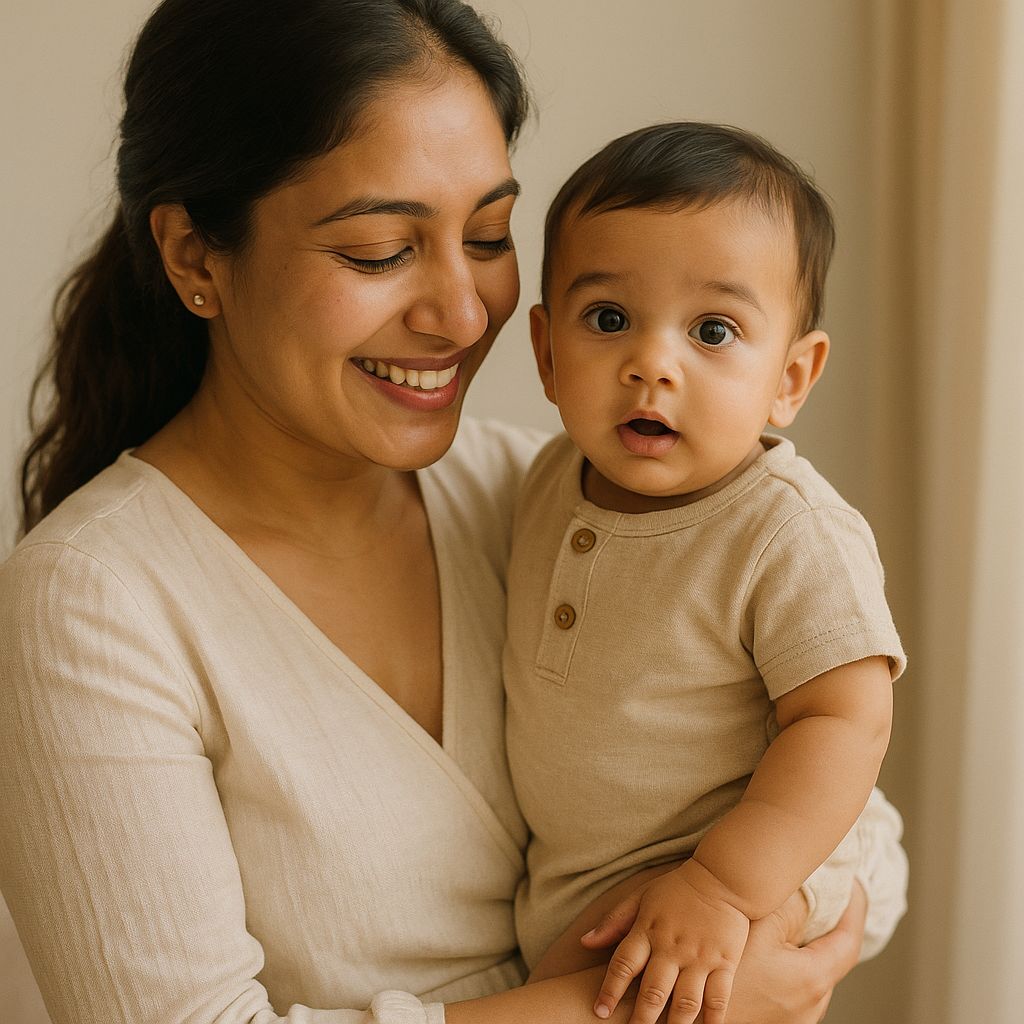
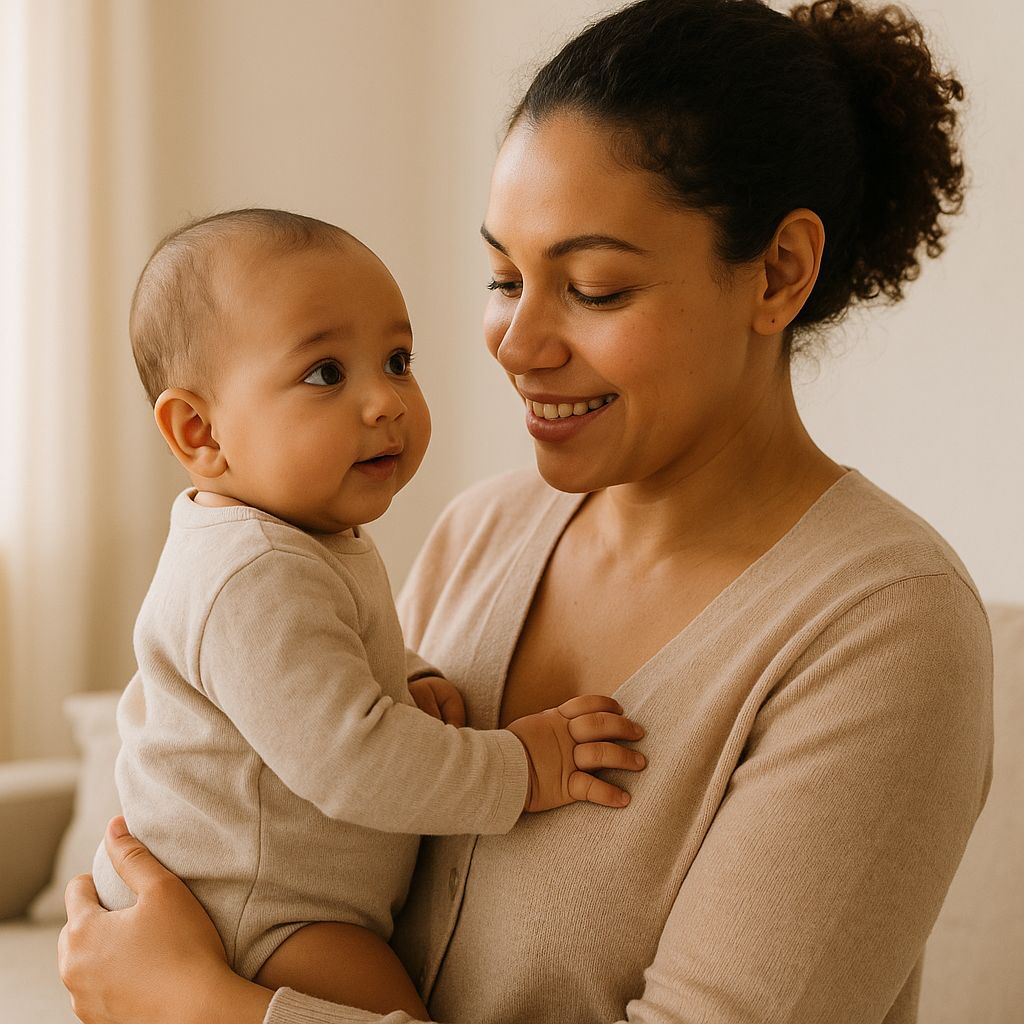
Holding, cuddling, and gentle touch are crucial. Skin-to-skin contact, especially in the newborn period, supports bonding and calms the baby.
3. Eye Contact and Communication
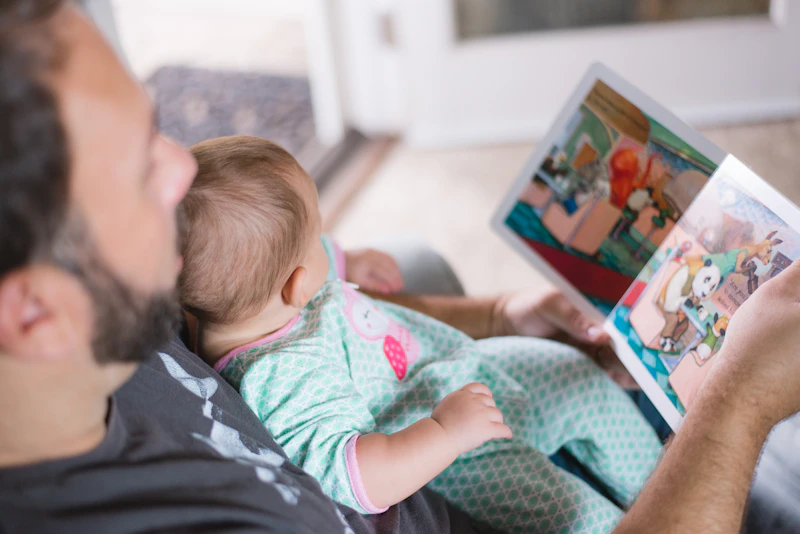
Babies are highly attuned to faces and voices. Making eye contact, smiling, and talking to your baby—even before they understand words—reinforces the connection.
4. Comfort in Distress
Comforting your baby when they are upset teaches them that you are a safe haven. This is especially important during moments of distress, as it strengthens attachment.
5. Consistency and Predictability
Regular routines, consistent caregiving, and predictable responses help babies feel secure. They learn what to expect from their parents, which fosters attachment.
Types of Attachment
Research identifies several patterns of attachment. While secure attachment is ideal, some children develop insecure attachment due to inconsistent or unresponsive caregiving.
- Secure Attachment: The child trusts the caregiver, seeks comfort from them, and feels safe to explore.
- Insecure-Avoidant Attachment: The child avoids closeness and shows little emotion when the caregiver leaves or returns.
- Insecure-Resistant Attachment: The child is clingy and may be difficult to comfort, showing intense distress when separated.
- Disorganized Attachment: The child displays confusing behaviors, often linked to inconsistent or frightening caregiving.
Signs of Secure Attachment
Recognizing secure attachment helps parents support healthy development. Look for these signs:
- Baby seeks comfort from parents when upset
- Shows joy upon reunion with parents
- Uses parents as a "safe base" to explore surroundings
- Engages in eye contact and social smiling
- Comforted by parental touch and presence
Factors Influencing Attachment
Several factors can influence attachment formation:
- Parent’s emotional availability: Sensitive, attuned caregiving promotes attachment.
- Family environment: Stability, routines, and emotional climate matter.
- Parent’s own attachment history: Parents who experienced secure attachment in childhood are more likely to provide it for their own children.
- Stress and mental health: Parental stress, depression, or anxiety can impact responsiveness.
- Child’s temperament: Some babies are more sensitive or require different approaches.
Attachment and Brain Development
Attachment isn’t just emotional—it’s neurological. Responsive caregiving triggers the release of hormones like oxytocin, which deepens bonding and supports brain growth. Secure attachment helps wire the brain for empathy, regulation, and learning.
Attachment in Different Family Structures
Attachment can form with any consistent, loving caregiver, not just biological parents. Grandparents, foster parents, and adoptive parents can all nurture strong bonds. What matters most is responsiveness and emotional availability.
Tips to Foster Secure Attachment
- Be Present: Engage with your baby during feeding, play, and daily routines.
- Respond Promptly: Attend to cries and cues, showing that you are reliable.
- Offer Physical Comfort: Cuddle, hold, and soothe your baby.
- Encourage Exploration: Let your child explore, but be nearby for reassurance.
- Maintain Predictable Routines: Structure helps babies feel secure.
- Take Care of Yourself: Parental well-being impacts caregiving quality.
Attachment Challenges and Solutions
Some families face obstacles to attachment, such as postpartum depression, separation, or medical issues. If attachment is delayed or disrupted, early intervention helps. Support from counselors, parent groups, or therapists can guide families toward healthier bonds.
Attachment Beyond Infancy
Attachment continues to evolve. As children grow, they seek independence but still rely on parents for emotional support. Secure attachment in early years lays the groundwork for positive relationships in preschool, adolescence, and adulthood.
Frequently Asked Questions
- What is attachment in early childhood?
- Attachment is the emotional bond formed between a baby and their primary caregivers, usually parents. It sets the stage for the child’s future relationships and emotional health.
- How can parents foster secure attachment?
- Parents can foster secure attachment by being consistently responsive, comforting their baby when distressed, engaging in eye contact, and providing physical affection.
- What are signs of secure attachment in babies?
- Signs of secure attachment include seeking comfort from parents when upset, showing joy upon reunion, and using parents as a safe base from which to explore.
- Can attachment issues be fixed later?
- While early attachment is crucial, it’s possible to repair and strengthen bonds later with intentional, consistent, nurturing efforts.
Conclusion
Understanding how babies form attachments with parents reveals the heart of early childhood development. Secure attachment isn’t just a nice-to-have—it’s necessary for emotional health, confidence, and lifelong well-being. Parents can nurture attachment by being responsive, emotionally available, and consistent. If challenges arise, support and intervention can help restore and strengthen these vital bonds. By prioritizing attachment, parents give their children the best possible start—rooted in love, security, and resilience.