
How Babies Develop Emotional Bonds with Parents: Understanding the Science of Attachment
Parenthood is filled with moments of wonder, but perhaps none are as profound as the formation of emotional bonds between parents and their babies. These early attachments lay the foundation for a child's lifelong emotional, social, and cognitive development. But how do babies develop emotional bonds with parents? What can parents do to nurture these connections? This comprehensive guide explores the science, stages, and practical strategies for fostering healthy attachment from the very start.
The Roots of Attachment: What Is Emotional Bonding?
Emotional bonding, or attachment, refers to the deep, enduring connection that forms between an infant and their primary caregivers. This bond isn’t just about love—it’s rooted in biology, psychology, and everyday interactions. Attachment theory, pioneered by psychologist John Bowlby, explains that the quality of these early relationships profoundly influences a child’s sense of security and ability to form healthy relationships later in life.
How Do Babies Recognize and Respond to Parents?
Babies are born with innate abilities to recognize, connect, and respond to their caregivers:
- Sense of Smell: Newborns can recognize their mother’s scent within days of birth.
- Hearing: Babies show a preference for their parents’ voices, which they can recognize from birth.
- Vision: While newborns’ vision is limited, they are drawn to human faces, especially their parents’.
- Touch: Skin-to-skin contact releases oxytocin, the “love hormone,” fostering bonding and soothing the baby.
The Stages of Attachment Development
The process of attachment develops in predictable stages, typically observed as follows:
- Pre-attachment (Birth to 6 weeks): Babies show natural attachment behaviors (crying, cooing) that attract adult attention but are not directed at a specific person.
- Attachment-in-the-making (6 weeks to 6-8 months): Infants begin to prefer familiar caregivers, responding more positively to their parents.
- Clear-cut Attachment (6-8 months to 18 months): Babies show strong attachment to primary caregivers, seeking proximity and displaying separation anxiety.
- Formation of Reciprocal Relationships (18 months and beyond): Toddlers begin to understand parents’ coming and going and can negotiate separation with more resilience.
Why Secure Attachment Matters for Emotional Development
Secure attachment is associated with numerous positive outcomes, including:
- Better emotional regulation
- Increased confidence and independence
- Greater social competence
- Higher academic achievement
- Resilience in the face of stress
Conversely, insecure attachment can increase the risk of behavioral and emotional challenges. This underscores the importance of nurturing a secure parent-child bond from infancy.
How Do Parents Foster Emotional Bonds with Babies?
Attachment is built in the small, everyday moments of care and connection. Here’s how parents can actively nurture strong emotional bonds:
1. Consistent Responsiveness
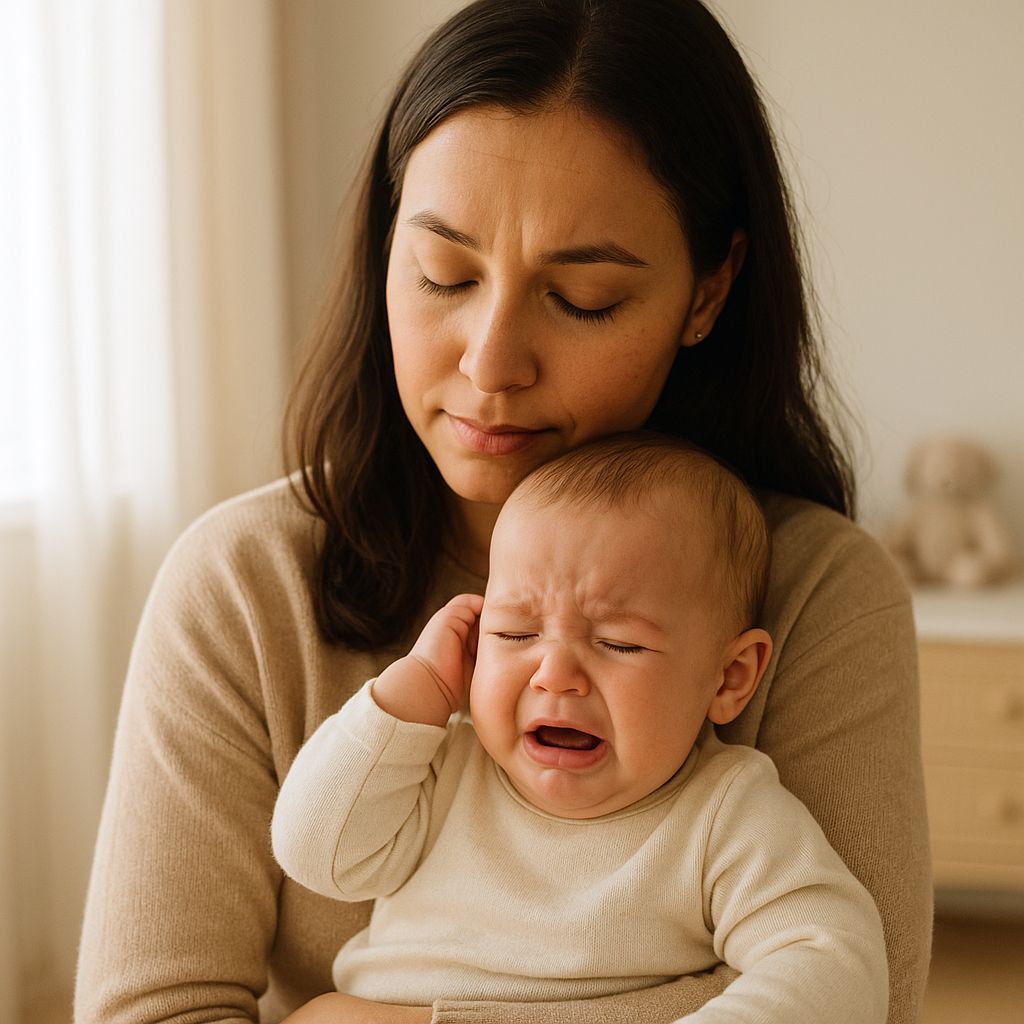
Responding promptly and sensitively to your baby’s cries, cues, and needs communicates that the world is a safe and predictable place. This trust is the bedrock of secure attachment.
2. Physical Touch and Comfort
Holding, cuddling, and skin-to-skin contact are powerful ways to soothe your baby and strengthen emotional ties. Babywearing, gentle massages, and regular holding foster closeness and calm.
3. Eye Contact and Facial Expressions
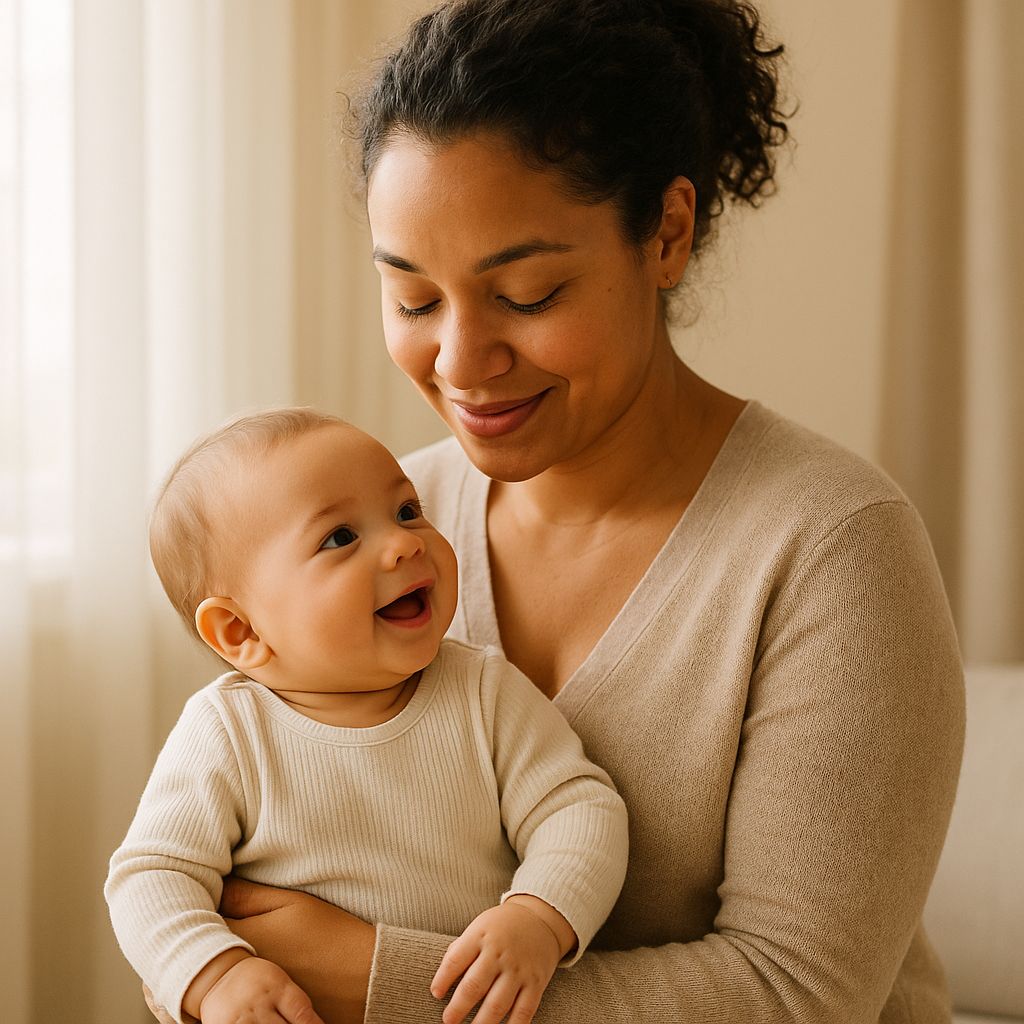
Babies are captivated by their parents’ faces. Making eye contact, smiling, and mirroring your baby’s expressions spark a “serve and return” interaction that stimulates brain development and emotional connection.
4. Verbal Communication
Talking, singing, and cooing to your baby—even before they understand words—helps your child learn language, rhythm, and emotional tone. Narrating your actions and naming emotions gives your baby a sense of security and predictability.
5. Play and Shared Joy
Engaging in playful interactions, such as peek-a-boo or singing songs, not only entertains but also deepens the bond between parent and child. Shared laughter and joy are emotional glue.
6. Creating Routines
Consistent routines for feeding, sleep, and play provide structure and predictability, which help babies feel secure and learn to anticipate their needs being met.
Recognizing Signs of Healthy Attachment
Wondering how to know if your baby is securely attached? Look for these signs:
- Your baby seeks comfort from you when distressed.
- They are easily soothed by your touch or voice.
- Your baby greets you with joy after separations.
- They use you as a “safe base” for exploring their environment.
Remember, every child is unique—attachment behaviors may vary, but these signs generally indicate a healthy bond.
Common Challenges in Forming Emotional Bonds (and How to Overcome Them)
Sometimes, parents and babies face obstacles in building emotional connections. Common challenges include:
- Postpartum Depression or Anxiety: Parental mental health issues can impact sensitivity and responsiveness. Seeking support from professionals can make a significant difference.
- Premature Birth or Medical Complications: Hospitalizations or early medical interventions may disrupt bonding. Practices like kangaroo care and involving parents in care routines can help bridge the gap.
- Adoption or Foster Care: Building attachment may take more time, but consistency, love, and patience are key.
If you’re concerned about bonding or attachment, reach out to a pediatrician or mental health professional for guidance and support.
Attachment and the Role of Fathers and Other Caregivers
While mothers are often the primary focus, research shows that babies can form strong attachments with fathers, grandparents, and other consistent caregivers. The same principles of responsiveness, warmth, and consistency apply, regardless of the caregiver’s role or gender.
How Culture Influences Emotional Bonding
Cultural beliefs and practices shape how families nurture attachment. For example, some cultures emphasize co-sleeping, while others promote independent sleep; some prioritize breastfeeding, while others use formula feeding. The most important factor isn’t the specific practice, but the sensitivity and responsiveness of the caregiving.
Attachment Across the Lifespan: The Lasting Impact of Early Bonds
The effects of secure attachment can last a lifetime. Children who experience healthy early bonds are more likely to grow into emotionally healthy, resilient adults. They tend to have stronger relationships, better coping skills, and a greater sense of self-worth.
Practical Tips for Nurturing Emotional Bonds
- Hold your baby often and offer comfort when they cry.
- Make eye contact and smile during feedings and daily routines.
- Talk, sing, and read to your baby regularly.
- Respond promptly to your baby's cues—hunger, tiredness, or distress.
- Engage in gentle play and celebrate small milestones together.
- Establish regular routines for feeding, sleep, and play.
- Take care of your own mental health and seek support if needed.
Conclusion: Building Bonds that Last a Lifetime
How babies develop emotional bonds with parents is both an art and a science—rooted in biology, shaped by daily interactions, and guided by love and responsiveness. By consistently meeting your baby’s physical and emotional needs, you’re giving them the gift of security, confidence, and a foundation for healthy relationships in the years to come.
Every parent-child relationship is unique, but with patience, warmth, and understanding, you can nurture a strong, healthy emotional bond that will support your child’s growth and happiness for a lifetime.
Frequently Asked Questions
- At what age do babies start forming emotional bonds with their parents?
- Babies begin forming emotional bonds from birth, but attachment strengthens in the first year, especially between 6 and 12 months.
- What are the signs of a secure attachment between parent and baby?
- Secure attachment is shown by seeking comfort from the parent, being soothed by them, using the parent as a safe base, and showing joy upon reunion.
- How can parents strengthen their emotional bond with their baby?
- Parents can strengthen bonds by being responsive, affectionate, making eye contact, talking, singing, and engaging in loving interactions.
- Can bonding issues be fixed if there are early challenges?
- Yes, with consistent, loving care and professional support, most bonding issues can be addressed and improved over time.