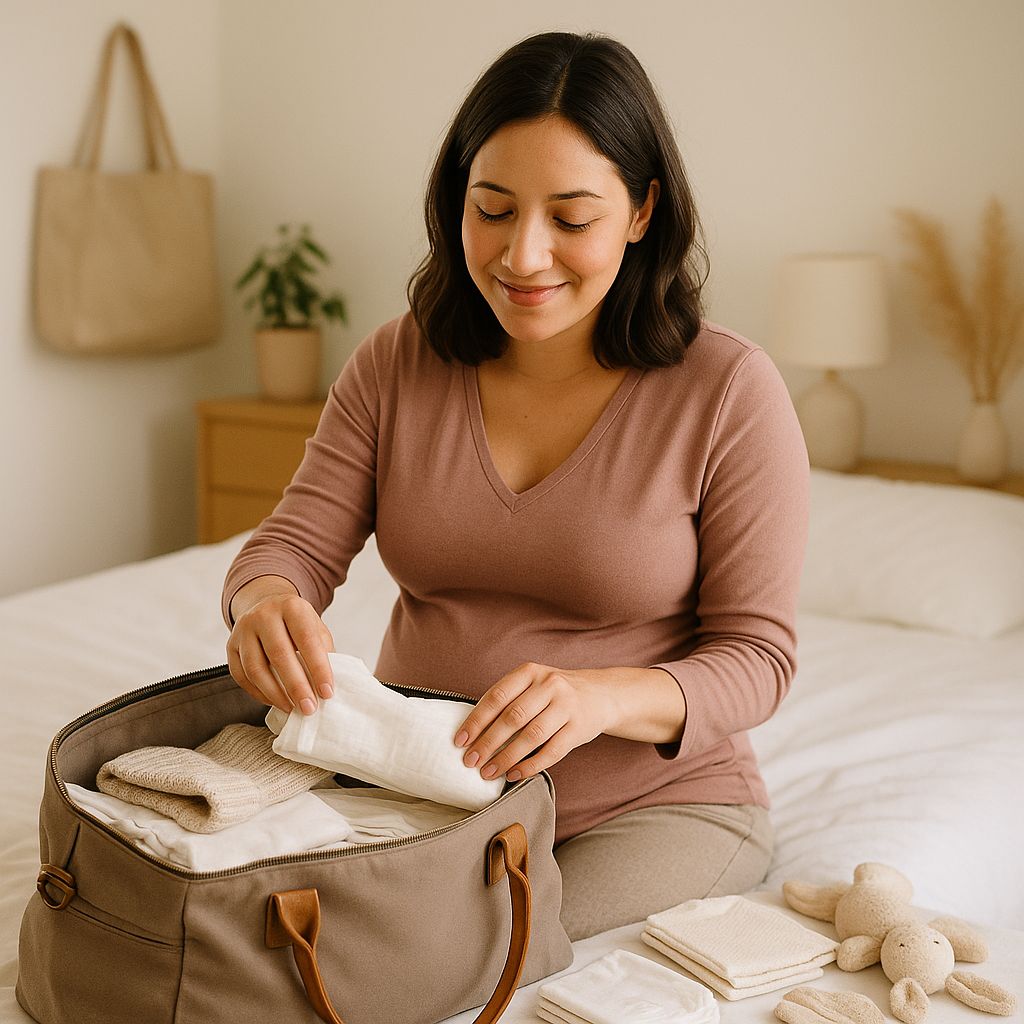

Hospital Bag Checklist for Expectant Parents: The Ultimate Guide
Preparing for your baby’s arrival is one of the most exciting—and sometimes nerve-wracking—moments of pregnancy. Among the many tasks on your to-do list, packing your hospital bag is an important step that ensures you’re ready for labor, delivery, and the first days with your newborn. This comprehensive guide from Growing Giggles is designed to help expectant parents pack confidently, with expert tips and a detailed checklist covering everything you'll need for a positive hospital experience.
Why Packing a Hospital Bag Matters
A thoughtfully packed hospital bag reduces stress and provides peace of mind during labor and delivery. It ensures you have all your essentials close at hand, supports your comfort, and prepares you for unexpected situations. Plus, it allows you to focus on your baby rather than worrying about missing items.
When to Pack Your Hospital Bag
Labor can begin earlier than anticipated, so it’s wise to start packing your hospital bag by the 36th week of pregnancy. This gives you plenty of time to gather all necessary items, and ensures you’re prepared for early signs of labor. If you’re expecting multiples or have a high-risk pregnancy, consider packing sooner.
How to Use This Hospital Bag Checklist
Our expert checklist is divided into sections for the birthing parent, partner/support person, and baby. Customize the list according to your needs, hospital policies, and personal preferences.
Essential Documents
- Photo ID: Driver’s license or passport.
- Insurance card: For hospital admission.
- Hospital registration paperwork: If pre-registered.
- Birth plan: Printed copy for your medical team.
- Emergency contact list: Phone numbers for family and friends.
For the Birthing Parent
- Comfortable clothing: Loose-fitting, breathable clothes for labor and postpartum.
- Robe: For warmth and modesty.
- Non-slip socks or slippers: Hospital floors can be slippery.
- Nursing bras and pads: If planning to breastfeed.
- Underwear: High-waisted and comfortable, preferably disposable or dark-colored.
- Toiletries: Toothbrush, toothpaste, hairbrush, hair ties, lip balm, deodorant, face wipes, travel-sized shampoo and conditioner.
- Glasses/contact lenses: If needed.
- Personal comfort items: Pillow, blanket, eye mask, or essential oils.
- Snacks and drinks: For after labor (check hospital policy).
- Water bottle: Staying hydrated is essential.
- Phone and charger: Consider an extra-long charging cable.
- Entertainment: Books, magazines, music playlist, headphones.
- Going-home outfit: Comfortable clothing for leaving the hospital.
For Labor and Delivery Comfort
- Birth ball: If your hospital allows.
- Massage tools: Tennis ball or massager for back labor.
- Heat/cold packs: For pain management.
- Relaxation aids: Aromatherapy, stress-relief items.
For Your Partner or Support Person
- Comfortable clothing: Layers and a change of clothes.
- Snacks: Energy bars, fruit, or nuts.
- Entertainment: Tablet, book, headphones.
- Toiletries: Toothbrush, toothpaste, deodorant.
- Cash and change: For vending machines and parking.
- Phone and charger: Essential for updates and photos.
- List of important contacts: For birth announcements.
For Your Newborn
- Going-home outfit: Weather-appropriate and easy to put on.
- Additional outfits: 2-3 changes for photos and comfort.
- Blanket: For warmth and car seat covering.
- Hat and socks: To keep baby cozy.
- Diapers: Hospital provides basics, but bring extras.
- Wipes: Sensitive or newborn variety.
- Car seat: Required for discharge; install ahead of time.
- Pacifier: If desired.
- Formula and bottles: If not breastfeeding (hospital provides basics).
Optional Items
- Camera: For documenting the birth (if not using phone).
- Journal: To record memories or birth details.
- Small gifts: For nursing staff or visitors.
Expert Tips for Packing Your Hospital Bag
- Check hospital policies: Ask about what’s provided and any restrictions.
- Use a checklist: Avoid forgetting important items by checking off each category.
- Pack light but practical: Hospitals usually provide basics, so focus on comfort and personal needs.
- Separate bags: Consider one bag for you, one for your partner, and one for baby.
- Label your bags: Helps in quick identification during emergencies.
- Keep your bag accessible: Store it near the door or in your car.
What Hospitals Typically Provide
Most hospitals supply gowns, basic toiletries, newborn diapers, wipes, and blankets. Ask your hospital for a list of provided items so you can avoid duplicating.
Hospital Bag Checklist Printable
Download our free printable hospital bag checklist for expectant parents, so you can easily mark off each item as you pack.
Frequently Asked Questions
When should I start packing my hospital bag?
It’s recommended to start packing your hospital bag by week 36 of pregnancy. This ensures you’re prepared in case labor begins earlier than expected.
What are the essential items for the hospital bag?
Essentials include identification and medical documents, comfortable clothing, toiletries, snacks, phone chargers, items for labor comfort, and newborn necessities like outfits, blankets, and diapers.
Should I pack a separate bag for my partner?
Yes, packing a separate bag for your partner ensures they have everything they need, including snacks, comfortable clothes, entertainment, and toiletries.
How many outfits should I pack for my baby?
Pack 2-3 newborn outfits, including one for going home, plus a couple of hats and socks. The hospital usually provides basic clothing and blankets.
Can I bring my own pillow or blanket?
Absolutely! Bringing your own pillow or blanket can provide extra comfort during your hospital stay.
Customizing Your Hospital Bag Checklist
Every family’s needs are unique. If you have specific medical needs, cultural preferences, or want extra comfort items, personalize your checklist accordingly. Don’t forget to review your hospital’s guidelines as some items (like electrical appliances or essential oils) may not be permitted.
Conclusion: Ready for the Big Day
Packing your hospital bag is a practical yet emotional milestone in your pregnancy journey. It symbolizes your readiness for birth and the exciting adventure ahead. Use this expert guide and checklist to prepare thoughtfully and enjoy a smoother, more comfortable hospital experience. Remember: the most important thing is welcoming your baby with love, care, and confidence—everything else is a bonus!
Further Reading
For personalized advice or questions, reach out to your healthcare provider or maternity support team. Happy packing, and best wishes for your labor and delivery!