Helping Your Child Make Friends: A Parent’s Guide for Preschoolers
Few things warm a parent’s heart like seeing their child laughing and playing with friends. But for many preschoolers, making those first friendships can feel daunting. Whether your child is shy, new to a school, or simply needs a little help connecting with others, you play a vital role in supporting their budding social skills. This guide explores practical strategies, expert tips, and answers to common questions about helping your preschooler make friends.
Why Friendships Matter in Preschool
Friendships are more than just fun—they’re crucial for emotional and social development. Through play and interaction, children learn empathy, cooperation, conflict resolution, and self-confidence. These early experiences lay the foundation for future relationships and positive mental health.
- Emotional support: Friends help children feel valued and understood.
- Social learning: Kids practice sharing, taking turns, and communicating.
- Confidence: Positive interactions boost self-esteem and resilience.
Understanding Your Child’s Temperament
Every child is unique. Some preschoolers are naturally outgoing, while others prefer quieter interactions or small groups. Understanding your child’s temperament helps tailor your approach:
- Shy children: May need gentle encouragement and time to warm up.
- Outgoing children: Often jump into play but may need guidance on sharing and listening.
- Sensitive children: Can be easily hurt by conflicts; benefit from extra emotional support.
Observe how your child interacts with peers. Are they hesitant to join group activities? Do they seek out playmates but struggle with communication? Knowing these patterns helps you provide the right support.
Practical Ways to Help Your Child Make Friends
1. Model Positive Social Behavior
Children learn by watching you. Model kindness, listening, and cooperation in your daily interactions—whether it’s greeting neighbors or chatting with family members. Narrate your actions: “I’m asking Grandma how her day was because I care about her feelings.”
2. Arrange Playdates and Group Activities
Playdates offer a safe space for children to practice social skills. Start with one-on-one meetups and gradually try small groups. Keep activities simple: coloring, building blocks, or outdoor play. Stay nearby to guide but let the kids lead.
- Keep playdates short (30-60 minutes) to avoid overwhelm.
- Rotate locations: your home, parks, or community centers.
- Invite children with shared interests (favorite games, books).
3. Teach Friendship Skills Through Play
Games and role-play are powerful tools for teaching social skills. Try interactive activities:
- Turn-taking games: Board games, ball passing.
- Cooperative play: Building something together, pretend play scenarios.
- Emotion exploration: Use puppets or dolls to act out different feelings and responses.
Pause during play to discuss feelings: “How did you feel when your friend took the toy? What could you say next time?”
4. Encourage Empathy and Communication
Empathy is the heart of friendship. Help your child recognize others’ feelings and respond kindly:
- Ask questions: “How do you think your friend feels?”
- Practice ‘I’ statements: “I feel sad when you don’t share.”
- Teach active listening: “Let’s listen to what your friend wants.”
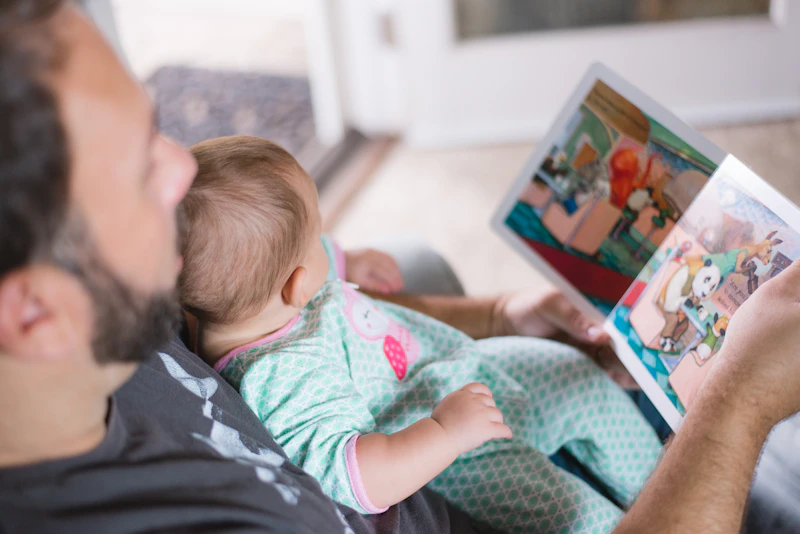
Read books about friendship and discuss the characters’ choices. Examples include “How Do Dinosaurs Play with Their Friends?” or “Will You Be My Friend?”
5. Celebrate Effort, Not Just Success
Making friends takes time, especially for young children. Celebrate small steps: greeting a peer, joining a game, or sharing a toy. Use praise that focuses on effort: “I noticed you smiled at Mia today—that was very friendly!”
6. Address Challenges and Conflicts
Friendship isn’t always smooth sailing. Preschoolers may argue, feel left out, or struggle with jealousy. Teach problem-solving skills:
- Guide your child to express feelings calmly.
- Role-play solutions: “If your friend says ‘No,’ what can you do?”
- Encourage taking breaks if emotions run high.
Remind your child that it’s okay to make mistakes and try again. Offer reassurance and help them see conflicts as learning opportunities.
Building Confidence in Social Settings
Some children feel overwhelmed in groups or new environments. Help boost confidence by:
- Preparing ahead: Talk about what to expect before parties or school events.
- Using visual aids: Social stories or picture schedules to illustrate routines.
- Practicing greetings: Role-play saying “Hi” or asking to join a game.
Encourage your child to share their interests. For example, “You love dinosaurs—maybe you can tell your friend about your favorite one!”
When to Step In—and When to Step Back
It’s tempting to solve every problem, but children need space to practice independence. Step in when safety or serious distress is involved; otherwise, observe from a distance and offer gentle guidance if needed.
- If your child is upset, help them label emotions and brainstorm solutions.
- If they’re having fun, let them explore and discover on their own.
Supporting Friendship at School and in the Community
Preschool teachers are valuable allies. Share insights about your child’s temperament and ask for feedback. Many schools offer social skills programs or buddy systems. Participate in community activities—library storytimes, art classes, or sports—to expand your child’s circle.
Activities for Friendship Building
- Friendship crafts: Make “friendship bracelets” or cards to give to classmates.
- Group games: Simple games like “Duck Duck Goose” or “Simon Says.”
- Storytime: Read books about friendship and discuss together.
- Cooking together: Bake cookies to share with friends.
Signs Your Child May Need Extra Support
Most friendship hiccups are normal, but some signs may indicate deeper challenges:
- Consistent isolation or refusal to join activities.
- Frequent, intense conflicts with peers.
- Extreme anxiety or sadness about social situations.
If these persist, consult your child’s teacher or a child development specialist for guidance.
Frequently Asked Questions
- What if my child is shy and doesn’t want to join in?
- It’s normal for some children to be reserved. Start with small, low-pressure playdates or activities, and encourage your child gently. Celebrate small steps and avoid forcing participation.
- How many friends should my preschooler have?
- There’s no ‘correct’ number! Some children prefer one or two close friends, while others enjoy larger groups. Focus on quality over quantity and support your child’s unique social needs.
- What if my child has conflicts with friends?
- Conflicts are a natural part of friendship. Teach problem-solving, empathy, and communication skills. Guide your child in expressing feelings calmly and listening to others.
- Should I talk to teachers about my child’s social challenges?
- Yes! Teachers can offer insights and support. If you notice ongoing struggles or concerns, a collaborative approach helps your child feel understood and gives you tools for home.
Final Thoughts: Growing Friendships, Growing Confidence
Helping your preschooler make friends is a journey filled with joy, learning, and occasional bumps. By modeling positive behavior, arranging playdates, teaching empathy, and celebrating every effort, you nurture your child’s social confidence. Remember, every child grows at their own pace. With your support and encouragement, your little one will discover the magic of friendship—one giggle at a time.
Related Articles: