Helping Preschoolers Deal with Big Emotions: A Parent’s Guide
Preschoolers are at a magical stage: everything is new, exciting, and sometimes overwhelming. Their world is filled with big feelings—joy, anger, frustration, disappointment, and delight. While these emotions are a natural part of development, they can be challenging for both children and parents. In this guide, we’ll explore practical, expert-backed strategies to help your preschooler navigate the rollercoaster of emotions, build resilience, and develop essential emotional intelligence.
Understanding Emotional Development in Preschoolers
Before diving into how to help, it’s important to understand why preschoolers experience emotions so intensely. At ages 3-5, children’s brains are rapidly growing. They’re learning about the world—and themselves—every day. Their ability to communicate and regulate emotions is still developing, which means feelings often come out in unexpected and powerful ways.
- Limited vocabulary: Preschoolers may not have the right words to express how they’re feeling, which can lead to frustration or tantrums.
- Developing self-control: Emotional regulation is a skill that takes years to master. Preschoolers are at the beginning of this journey.
- Exploring independence: As they become more independent, they also encounter new challenges and feelings.
Recognizing these developmental stages can help parents respond with empathy and patience.
Common Big Emotions in Preschoolers
Every preschooler is unique, but some emotions are almost universal:
- Anger: Often triggered by limits or disappointment.
- Frustration: When a task feels too hard or things don’t go as planned.
- Fear: New experiences, separation, or unfamiliar environments can spark anxiety.
- Sadness: Changes, losses, or feeling misunderstood.
- Excitement: New toys, birthdays, or special events can lead to overwhelming joy.
Big emotions are normal—and healthy—for preschoolers. The goal isn’t to stop these feelings, but to help children understand and manage them in positive ways.
Why Emotional Intelligence Matters
Emotional intelligence (EQ) is the ability to recognize, understand, and manage our own emotions—and respond appropriately to others. EQ is linked to better relationships, academic success, and resilience. Teaching preschoolers about emotions lays the foundation for lifelong well-being.
Benefits of Building Emotional Intelligence Early:
- Improved communication and social skills
- Better problem-solving abilities
- Greater empathy and understanding
- Reduced stress and anxiety
Practical Strategies for Helping Preschoolers Deal with Big Emotions
1. Model Healthy Emotional Responses
Children learn by watching their parents. When you express your own feelings calmly, you show your child that emotions are normal and manageable.
- Use simple language: “I’m feeling frustrated because I can’t find my keys.”
- Show how you cope: “I’m going to take a deep breath and try again.”
- Avoid hiding emotions: It’s okay for your child to see you sad or upset sometimes—it teaches them that everyone has feelings.
2. Name and Validate Feelings
Help your child put words to their emotions. This simple act can make big feelings less scary and more manageable.
- Reflect what you see: “You look really angry right now.”
- Validate their experience: “It’s okay to feel sad when your friend leaves.”
- Use emotion cards or storybooks to explore feelings together.
When children feel understood, they’re more likely to calm down and learn from the experience.
3. Teach Calming Techniques
Give your preschooler practical tools to manage big emotions. Practice these techniques together so they become second nature.
- Deep Breathing: Teach your child to take slow, deep breaths. Try fun methods like “smell the flower, blow out the candle.”
- Counting: Counting to five or ten can help them pause before reacting.
- Quiet Time: Create a cozy corner with pillows, books, or soft toys where your child can go to calm down.
- Movement: Gentle stretching or jumping can release pent-up energy.
Encourage your child to use these tools when they feel overwhelmed.
4. Create a Routine
Predictable routines help preschoolers feel safe and secure, which reduces emotional outbursts. Consistent meal times, naps, and play can make transitions easier.
- Use visual schedules with pictures for younger children.
- Give gentle reminders before changes: “In five minutes, we’ll clean up and get ready for lunch.”
5. Use Play to Explore Emotions
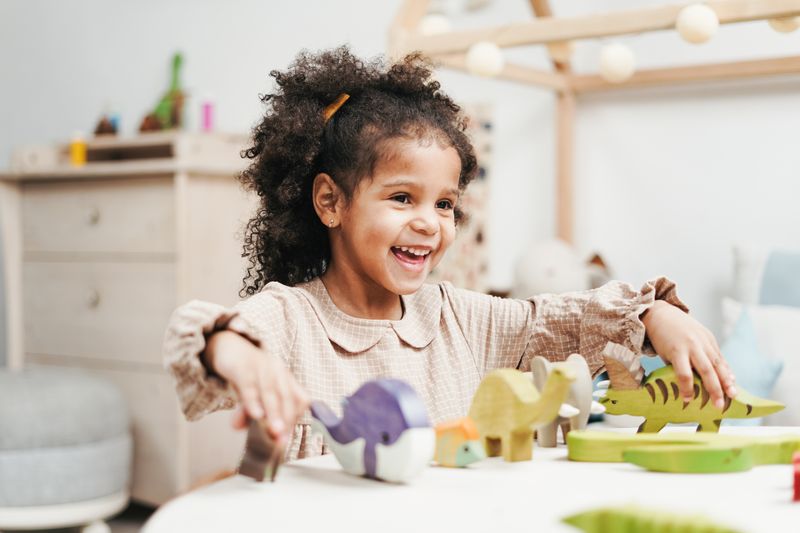
Preschoolers learn best through play. Use dolls, puppets, or stuffed animals to act out scenarios and talk about feelings.
- Role-play: Pretend a teddy bear is sad and ask, “What can we do to help?”
- Draw faces: Create pictures showing different emotions and discuss what might cause those feelings.
- Emotion games: Try matching games or sorting feelings by color or shape.
6. Encourage Problem-Solving
Help your child find solutions when emotions run high. For example, if they’re angry because a toy broke, ask, “What could we do to fix it or feel better?” Guide them through brainstorming options and choosing a positive action.
7. Offer Comfort and Connection
Sometimes, big emotions just need a hug. Physical comfort, gentle words, and patient listening can make all the difference.
- Hold your child or sit close while they express their feelings.
- Use soothing tones and reassure them that you’re there.
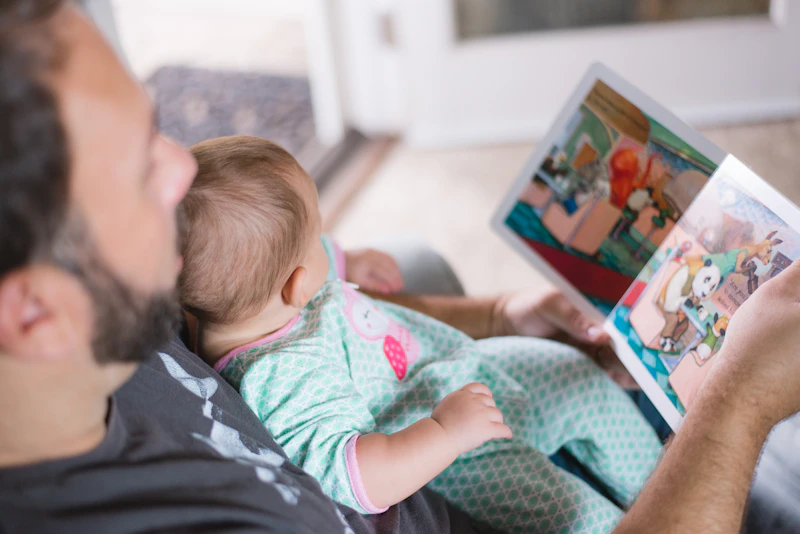
- Connect through shared activities, like reading or drawing together.
Managing Tantrums and Outbursts
Tantrums are a common—and exhausting—part of preschool parenting. Here’s how to navigate them calmly and constructively:
- Stay calm: Your composure helps your child feel safe.
- Ensure safety: Move your child to a safe space if needed.
- Allow expression: Let them vent, within reasonable limits.
- Afterwards, reconnect: Offer comfort, discuss what happened, and brainstorm better ways to handle similar situations.
Remember: Tantrums are not a reflection of your parenting—they are a normal part of development.
When to Seek Extra Support
Most preschoolers will outgrow frequent emotional outbursts with time and guidance. However, if your child’s big emotions are:
- Extreme and persistent
- Interfering with daily life or relationships
- Accompanied by aggressive behavior or withdrawal
It may be helpful to talk to your pediatrician or a child psychologist. Early support can make a big difference.
Building Lifelong Resilience
Parenting through big emotions isn’t always easy—but it’s one of the most important gifts you can give your child. By teaching emotional skills in the preschool years, you’re laying the groundwork for resilience, empathy, and confidence.
- Be patient: Emotional skills take years to develop.
- Celebrate progress: Notice and praise when your child manages their emotions well.
- Stay connected: Loving, consistent relationships are the foundation for emotional health.
Final Thoughts
Every child is unique—and so is their emotional journey. With empathy, patience, and practical strategies, you can help your preschooler thrive through every up and down. Remember, big emotions are an opportunity to connect, teach, and grow together.
Further Reading & Resources
- Zero to Three: Helping Young Children Cope with Big Emotions
- Child Mind Institute: Helping Children Cope with Big Emotions
- Parenting.com: Raising an Emotionally Intelligent Child
FAQs
- Why do preschoolers have such intense emotions?
- Preschoolers are in a rapid stage of emotional development. Their brains are still learning to process and regulate feelings, making emotions like frustration, excitement, or sadness feel very intense.
- What should I do when my preschooler has a tantrum?
- Stay calm, ensure your child is safe, and give them space to express their feelings. Afterwards, help them name their emotion and offer comfort. Later, talk about what happened and discuss healthier ways to respond.
- How can I teach my preschooler to manage big emotions?
- Model emotional regulation, practice naming feelings, introduce calming techniques, and use stories or play to explore emotions. Consistent support and patience are key.
- Are big emotions normal for preschoolers?
- Yes! Experiencing and expressing big emotions is a normal part of early childhood development. It’s how children learn to navigate their inner world and build resilience.
Growing Giggles is here to support you and your preschooler through every emotional adventure. Remember: you’re not alone, and together, you can turn big feelings into big growth!