
Helping Kids Deal with Friendship Issues: Expert Strategies for Parents
Friendships are a cornerstone of childhood, shaping emotional development, self-esteem, and social skills. Yet, friendship issues are inevitable as children navigate the complexities of relationships. For parents, understanding how to help kids deal with friendship problems is essential for fostering resilience, empathy, and healthy social interactions. This comprehensive guide provides expert insights and actionable strategies to support your child through common friendship challenges.
Understanding Friendship Issues in Children
Childhood friendships are dynamic and often fraught with misunderstandings, shifting alliances, and emotional highs and lows. Common friendship issues include:
- Arguments and disagreements
- Exclusion or feeling left out
- Jealousy or competition
- Betrayal or broken trust
- Bullying or peer pressure
Each of these challenges can be distressing but also provides valuable opportunities for growth. By recognizing the signs of friendship issues and intervening thoughtfully, parents play a vital role in guiding children toward healthy relationships.
Recognizing Signs of Friendship Problems
Children may not always vocalize their struggles, so it's important to observe behavioral changes that suggest friendship issues:
- Increased sadness or irritability
- Withdrawal from social activities
- Physical symptoms like stomachaches before school
- Complaints about classmates or friends
- Changes in academic performance
If you notice these signs, initiate a gentle conversation to encourage your child to share their feelings.
How Parents Can Support Children Facing Friendship Issues
The way parents respond to friendship challenges sets the tone for how children manage social difficulties throughout life. Here’s how to provide meaningful support:
1. Listen Without Judgment
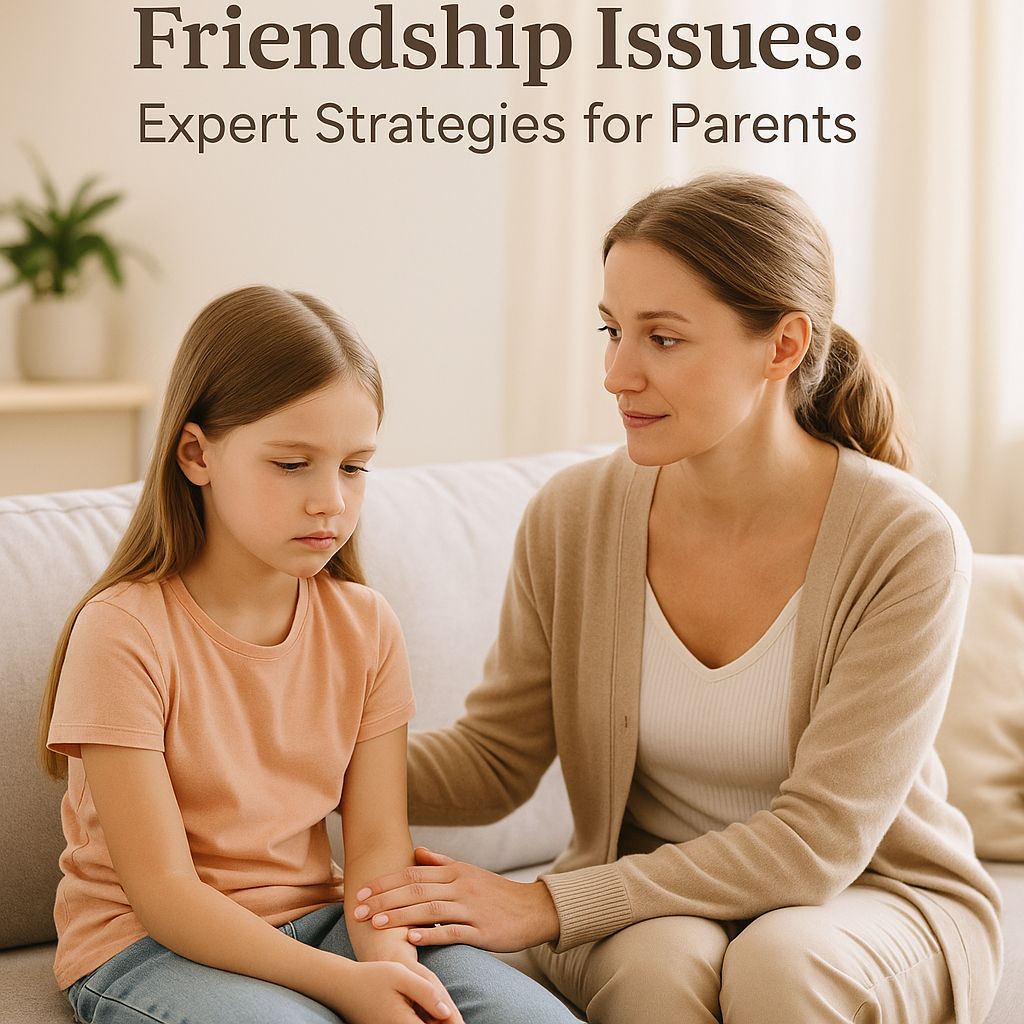
Start by offering a safe space for your child to express their feelings. Avoid immediately offering solutions or dismissing their concerns. Ask open-ended questions like, "How did that make you feel?" or "What happened next?" Validate their emotions by acknowledging their pain and letting them know it’s normal to feel upset.
2. Encourage Problem-Solving
Guide your child to think through possible solutions. Ask, "What do you think you could do?" or "Is there a way to make things better?" Role-play scenarios to help them practice responses. Empowering children to solve their own problems builds confidence and resilience.
3. Teach Communication Skills
Effective communication is key to resolving conflicts. Encourage your child to use "I" statements (e.g., "I felt hurt when...") and to listen actively. Discuss the importance of expressing feelings calmly and respectfully.
4. Foster Empathy and Perspective-Taking
Help your child understand the feelings and motives of others. Ask questions like, "How do you think your friend felt?" or "What might have caused them to act that way?" Teaching empathy helps children navigate social complexities and build stronger relationships.
5. Set Healthy Boundaries
Talk about the qualities of good friends and the importance of mutual respect. Encourage your child to set boundaries with peers who consistently hurt their feelings or engage in negative behavior. Reinforce that it’s okay to walk away from unhealthy relationships.
6. Encourage Inclusion and Social Opportunities
Suggest activities where your child can meet new peers and practice social skills, such as clubs, sports, or community events. Remind them that friendships can change and new connections are always possible.
7. Model Positive Relationships
Children learn by observing. Demonstrate healthy communication, empathy, and conflict resolution in your own relationships. Discuss your experiences with friends, including challenges and how you overcame them.
Common Friendship Issues and How to Address Them
Let’s explore some typical scenarios and expert strategies for resolving them:
Arguments and Disagreements
Disputes are natural as children assert themselves. Teach your child to pause, express their feelings, and seek compromise. Role-play phrases such as, "Let’s try to find a solution together," to help them manage conflict.
Feeling Left Out
Exclusion can be painful. Encourage your child to talk about their feelings and brainstorm ways to join activities or reach out to others. Remind them that making new friends is a healthy way to expand their social circle.
Jealousy or Competition
Use these moments to teach gratitude and celebrate others’ achievements. Discuss the importance of supporting friends and recognizing everyone’s unique strengths.
Betrayal or Broken Trust
When trust is broken, validate your child’s feelings and help them decide how to proceed. Sometimes, forgiveness is possible; other times, moving on is healthier. Discuss what qualities are important in a trustworthy friend.
Bullying or Peer Pressure
Address bullying immediately by contacting relevant authorities and supporting your child emotionally. Teach assertiveness and refusal skills. Remind your child that they are not alone and that seeking help is a sign of strength.
Building Social Skills for Healthy Friendships
Social skills are the foundation of positive relationships. Focus on:
- Empathy: Encourage recognition of others' feelings.
- Communication: Teach respectful expression of emotions and thoughts.
- Problem-Solving: Foster creative solutions to conflicts.
- Resilience: Help your child bounce back from setbacks.
- Inclusion: Promote kindness and welcoming attitudes.
When Friendship Issues Need Extra Support
Most friendship issues resolve with parental guidance, but some situations require professional help. Seek support if:
- Your child’s distress persists or worsens.
- Bullying or exclusion is severe.
- Your child withdraws from all social activities.
- There are signs of anxiety or depression.
Consult school counselors, therapists, or pediatricians for guidance.
How to Help Kids Make New Friends
If your child has lost a friend or feels isolated, encourage them to:
- Join extracurricular activities that interest them.
- Practice initiating conversations with peers.
- Be open to diverse friendships.
- Maintain a positive attitude and patience.
Remind your child that friendships evolve and it’s normal to go through periods of transition.
Teaching Emotional Regulation
Managing emotions is crucial when dealing with friendship issues. Support your child by:
- Helping them identify and name their feelings.
- Encouraging healthy coping strategies (deep breathing, journaling, physical activity).
- Modeling calm responses to stress.
Children who can regulate their emotions are better equipped to handle social challenges.
Encouraging Open Communication at Home
Fostering a home environment where children feel safe to discuss their social lives is essential. Set aside time for regular check-ins and reassure your child that you are always available for support.
The Long-Term Impact of Navigating Friendship Issues
Helping children work through friendship challenges builds life skills such as:
- Emotional intelligence
- Self-confidence
- Resilience
- Healthy boundaries
- Effective communication
These skills lay the foundation for positive relationships well into adulthood.
Frequently Asked Questions
- Why do kids experience friendship issues?
- Children experience friendship issues due to developing social skills, differences in personalities, misunderstandings, or external influences. These challenges are a normal part of growing up and help build emotional resilience.
- How can parents help their child resolve conflicts with friends?
- Parents can assist by listening to their child without judgment, encouraging open communication, teaching problem-solving techniques, and helping them understand other perspectives. Role-playing and guiding children to express their feelings can also be beneficial.
- When should parents seek professional help for friendship issues?
- If friendship struggles significantly affect a child's mental health, self-esteem, or daily functioning, or if bullying or exclusion persists despite intervention, consulting a counselor or therapist is recommended.
- How can children learn to make new friends after a fallout?
- Encourage your child to join new activities, practice social skills, and approach peers with kindness and openness. Reinforce that making friends takes time and reassure them that it's normal to outgrow certain relationships.
Conclusion
Friendship issues are an integral part of growing up, offering children the chance to develop crucial social and emotional skills. As a parent, your guidance, empathy, and support empower your child to navigate these challenges with confidence. By fostering open communication, teaching problem-solving, and modeling healthy relationships, you help your child build a foundation for lasting friendships and emotional well-being. Remember, every challenge is an opportunity for growth—and your involvement makes all the difference.