
Heat Rash in Babies: Prevention and Treatment
As the days get warmer, parents often find themselves worrying about their baby's comfort and skin health. One of the most common summertime concerns is heat rash in babies. Also known as prickly heat or miliaria, heat rash can be uncomfortable for your little one but is usually harmless with the right care.
What Is Heat Rash?
Heat rash is a skin irritation that occurs when sweat gets trapped in the sweat ducts under the skin. This blockage triggers little red bumps or tiny blisters, commonly seen on a baby's neck, chest, armpits, or diaper area. Babies are especially prone because their sweat glands are still developing, making them more susceptible to overheating and skin irritation.
What Causes Heat Rash in Babies?
- Hot, humid weather: Excessive sweating is the main trigger.
- Overdressing: Layers of clothing or heavy blankets can trap heat.
- Tight-fitting clothing: Restricts airflow, causing sweat to accumulate.
- Prolonged time in car seats or carriers: Limited airflow encourages sweat to build up.
What Does Heat Rash Look Like?
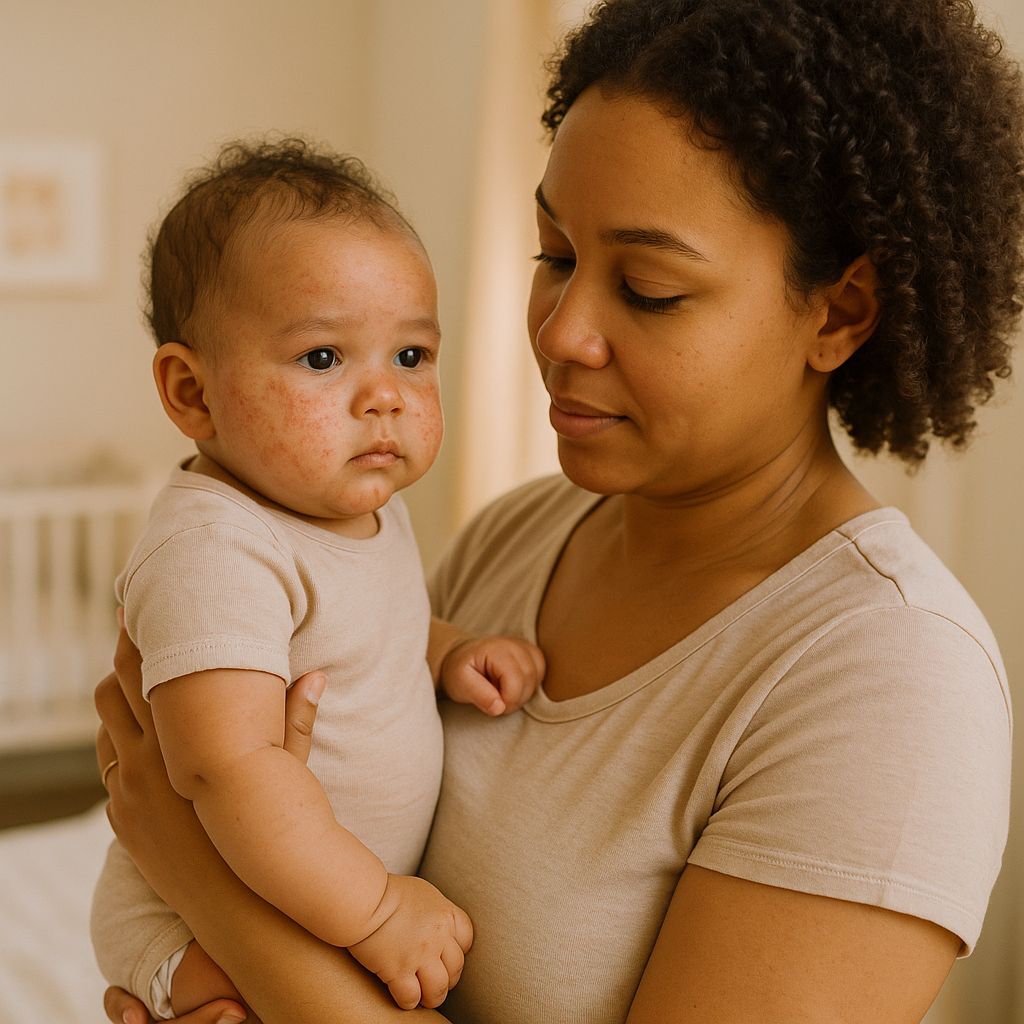
Heat rash appears as small red or pink bumps, sometimes accompanied by tiny blisters. The skin may feel prickly or itchy, and your baby could seem fussier than usual due to discomfort. Common areas affected include:
- Neck folds
- Chest and back
- Diaper area
- Armpits and elbows
- Behind the knees
Types of Heat Rash
There are several types of heat rash, but the most common in babies are:
- Miliaria crystallina: Tiny, clear blisters that break easily.
- Miliaria rubra (prickly heat): Red bumps with itchiness or a prickly sensation.
Prevention: How to Keep Heat Rash Away
Good news! Most cases of heat rash can be prevented with a few simple steps:
- Dress Lightly: Choose loose, lightweight cotton clothing. Avoid synthetic fabrics that trap heat.
- Keep Baby Cool: Stay indoors during peak heat, or seek shade outdoors. Use fans or air conditioning, but keep the air gentle (not blowing directly on your baby).
- Limit Layering: Babies often need one layer less than adults. A single onesie or diaper may suffice in hot weather.
- Take Regular Breaks: If your baby is in a car seat or carrier, give them breaks to cool down and air out their skin.
- Change Wet Clothes Promptly: Moisture can contribute to irritation. Change sweaty or damp clothes quickly.
- Keep Skin Dry: Pat (don't rub) the skin dry after bathing and during diaper changes.
Treatment: Safe Remedies for Baby Heat Rash
If your baby does develop heat rash, don't panic. Most cases resolve on their own with gentle home care. Here’s what you can do:
1. Move to a Cooler Environment
Take your baby to a cool, shaded, or air-conditioned area as soon as you notice a rash developing. This helps stop more sweat from accumulating.
2. Dress in Loose, Breathable Clothing
Switch to loose, light cotton clothes that allow the skin to breathe and sweat to evaporate.
3. Keep the Skin Dry
Gently pat the affected areas dry with a soft towel. Avoid rubbing, which can further irritate sensitive skin.
4. Give Lukewarm Baths
Bathe your baby in lukewarm (not cold) water. Avoid soaps, bubble baths, or lotions that may clog pores. Pat the skin dry afterward.
5. Avoid Creams, Ointments, and Powders
Though it’s tempting, don’t apply lotions, oils, or creams unless recommended by your pediatrician. These can trap moisture and worsen the rash. Powders can also be inhaled by infants and are not recommended.
6. Allow for Diaper-Free Time
If the rash is in the diaper area, let your baby go diaper-free for short periods to let the skin breathe and heal.
7. Monitor for Signs of Infection
While heat rash is usually harmless, keep an eye out for signs the rash is getting worse – such as increased redness, swelling, pus, or fever. If you notice these, contact your pediatrician.
When to Call the Doctor
- Rash isn’t improving after 3-4 days of home care
- Blisters develop, or the rash becomes very swollen or painful
- Signs of infection: yellowish fluid, warmth, or spreading redness
- Baby develops a fever or seems unusually fussy or lethargic
When in doubt, trust your instincts and consult your pediatrician.
Heat Rash Myths & Facts
- Myth: You must apply baby powder or lotion to treat heat rash.
Fact: Most creams and powders can trap sweat and worsen the rash. Simple, gentle care is best! - Myth: Only overdressed babies get heat rash.
Fact: Even lightly dressed babies can develop heat rash in hot, humid weather. - Myth: Heat rash is contagious.
Fact: Heat rash is NOT contagious. It results from blocked sweat glands, not from germs.
Additional Tips for Summer Baby Care
- Hydrate Often: Offer breast milk or formula more frequently on hot days. Babies can’t regulate temperature as efficiently as adults.
- Time Outdoor Play Wisely: Plan walks or outdoor play in the early morning or late evening when temperatures are cooler.
- Check Car Seats: Car seats can get hot quickly. Use breathable covers and check for warm spots before placing your baby inside.
- Keep Bedding Light: Use lightweight sheets and avoid heavy blankets during naps and nighttime sleep.
Frequently Asked Questions
- What does heat rash look like on babies?
- Heat rash appears as tiny red bumps or small blisters on the skin, especially in skin folds and warm areas. The rash may look like clusters of pimples or spots.
- How can I quickly soothe my baby's heat rash?
- Move your baby to a cool place, dress them in loose clothing, keep their skin dry, and give lukewarm baths. Avoid using creams or powders unless directed by your pediatrician.
- Is heat rash in babies dangerous?
- Most heat rashes are harmless and clear up on their own. Rarely, if the rash gets infected or your baby seems unwell, seek medical advice.
- Can I use powder or lotion on my baby's heat rash?
- It’s best to avoid powders and lotions, as they can block sweat glands further. If you feel something is needed, ask your doctor for recommendations.
- How long does heat rash last in babies?
- With proper care, heat rash typically clears in 2-3 days. If it persists or worsens, contact your pediatrician.
Conclusion
Heat rash is a common, often harmless skin irritation in babies, especially in hot and humid weather. The key to prevention is keeping your baby cool and dry, choosing breathable clothing, and allowing for plenty of skin exposure to air. If heat rash does occur, gentle care and time are usually all that’s needed for your little one's skin to heal. Always watch for signs of infection or worsening, and never hesitate to contact your pediatrician if you’re concerned.
Remember, every baby is unique. With a little extra attention to your baby’s comfort and environment, you can keep those summer days happy, healthy, and rash-free!