
Handling Stranger Anxiety in Babies During Travel: Strategies for Stress-Free Journeys
Traveling with a baby is both an exciting and challenging adventure, especially when your little one is going through stranger anxiety. This completely normal developmental phase can make family trips seem daunting—but with some preparation and understanding, you can help your baby navigate new faces and places with greater ease. In this expert guide, we’ll delve into what causes stranger anxiety in babies during travel, offer practical strategies for managing it, and answer common questions parents have about supporting their child through this stage.
Understanding Stranger Anxiety in Babies
Stranger anxiety typically appears between 6 and 18 months of age, coinciding with a baby’s growing attachment to their primary caregivers. As babies become more aware of their world, they begin to distinguish between familiar and unfamiliar people. This developmental milestone is a positive sign that your child is forming healthy bonds with you.
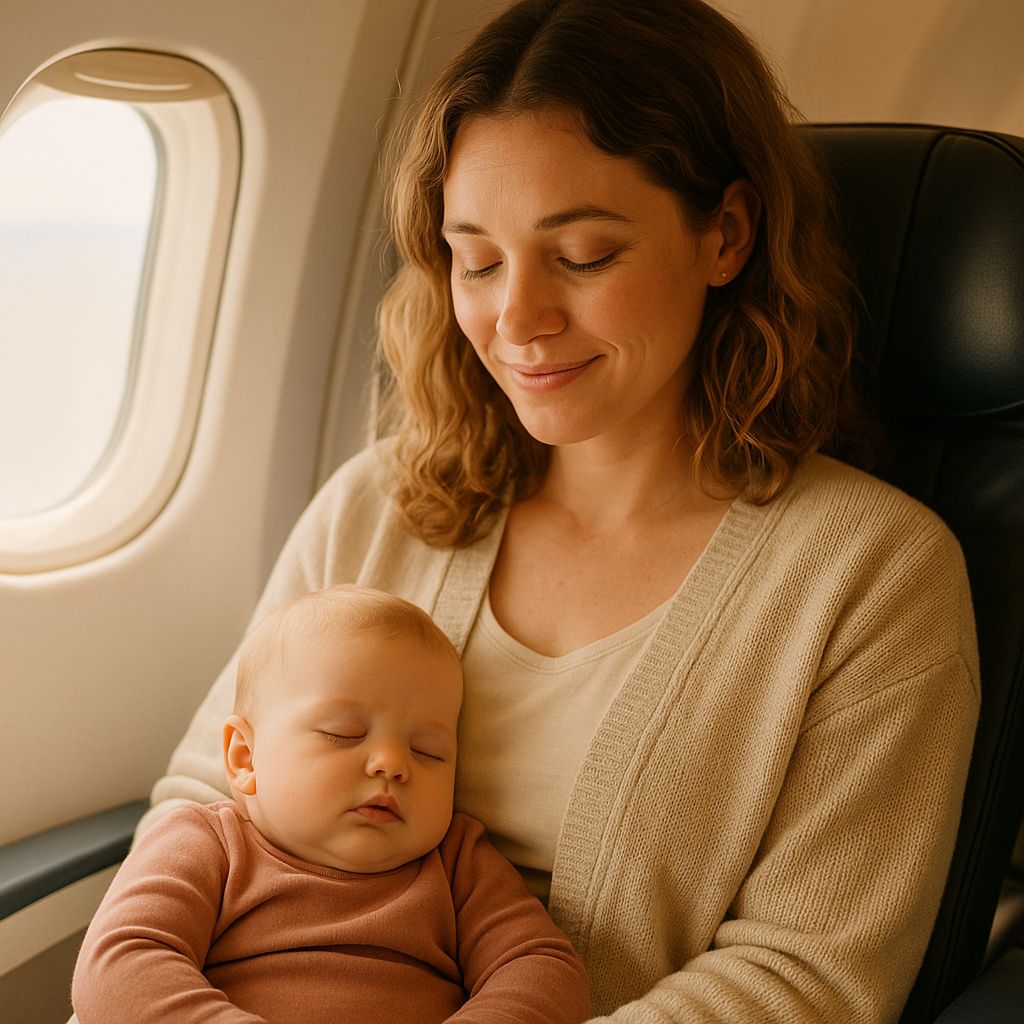
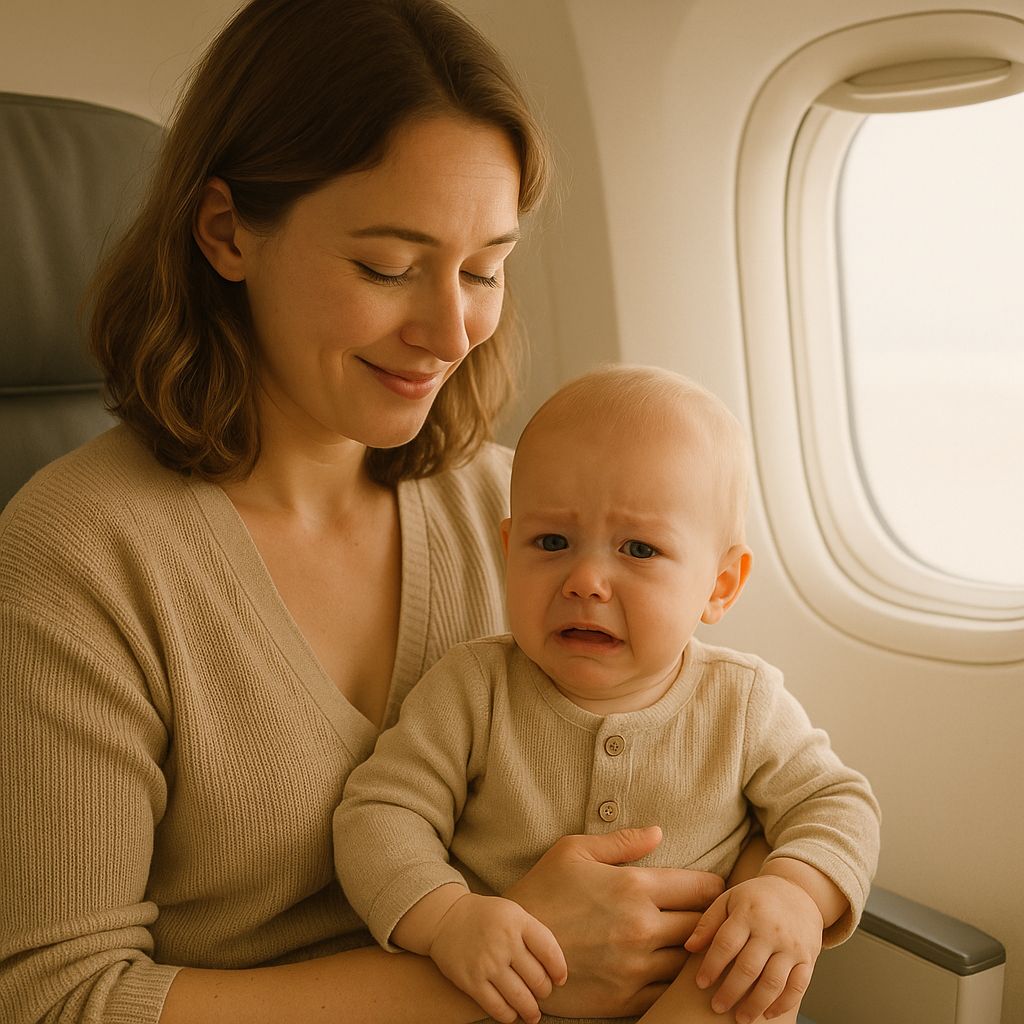
However, during travel, the constant introduction of new faces—relatives, friends, hotel staff, or even other passengers—can heighten your baby’s anxiety. Unfamiliar environments and disrupted routines can amplify these feelings, resulting in clinginess, fussiness, or tears when approached by strangers.
Why Does Travel Intensify Stranger Anxiety?
- New Environments: Travel brings a whirlwind of new sights, sounds, and smells, which can be overstimulating for sensitive babies.
- Disrupted Routines: Sleep schedules, mealtimes, and comfort rituals are often altered during trips, making babies feel less secure.
- Increased Interactions: Family gatherings, public transport, and tourist attractions often involve meeting many new people in a short period.
Understanding these triggers helps you plan and respond proactively to your baby’s needs.
Preparing for Travel: Setting Your Baby Up for Success
Proactive preparation can significantly reduce your baby’s anxiety during travel. Here’s how you can set the stage for a smoother journey:
- Gradually Introduce New People at Home: If possible, start socializing your baby with different faces before your trip. Invite friends or relatives over for short, relaxed visits, allowing your baby to become accustomed to unfamiliar people in a safe environment.
- Pack Familiar Comfort Items: Bring along your baby’s favorite blanket, stuffed animal, or pacifier. These familiar objects act as a source of stability in new settings.
- Keep Routines Consistent: Try to maintain your baby’s nap, meal, and bedtime routines as closely as possible, even when you’re on the go. Predictability helps babies feel more secure.
- Talk About the Trip: Even if your baby doesn’t fully understand, talking calmly about your travel plans and who you’ll meet can help them process upcoming changes.
Expert Strategies for Managing Stranger Anxiety During Travel
1. Be Your Baby’s Safe Base
During introductions to new people, stay close and hold your baby. Your presence reassures them that they are safe. If your baby is hesitant, allow them to observe new faces from the safety of your arms, rather than passing them around immediately.
2. Let Your Baby Set the Pace
Don’t force interactions. If your baby is shy or resistant, give them time to warm up. Encourage others to approach gently, avoid direct eye contact initially, and let your baby make the first move when they’re ready.
3. Use Familiar Objects and Routines
Offer your baby a favorite toy or blanket when in new situations. Stick to familiar rituals, like bedtime stories or specific lullabies, to provide comfort and continuity.
4. Maintain Calm and Positive Energy
Babies are highly attuned to their caregivers’ moods. If you remain calm and confident, your baby is more likely to feel secure. Use a soothing tone of voice and relaxed body language when introducing your baby to new people.
5. Prepare New People
Let friends and relatives know about your baby’s stranger anxiety. Encourage them to give your baby space, avoid overwhelming gestures, and allow gradual interaction. Most people are understanding and happy to help.
6. Create Transitional Moments
When arriving at a new place, allow time for your baby to adjust before diving into social activities. Explore the environment together, letting your baby observe from a distance before engaging with new people.
7. Practice Responsive Comforting
If your baby becomes upset, respond promptly with cuddles, soothing words, or a gentle walk. Meeting your baby’s emotional needs helps build trust and reduces overall anxiety.
Practical Travel Tips for Parents
- Book accommodations with separate sleeping spaces to maintain bedtime routines.
- Plan for downtime between social events to avoid overstimulation.
- Bring along a baby carrier for comfort and security in crowded places.
- Use video calls to introduce your baby to relatives before meeting in person, making faces more familiar.
- Have snacks and comfort items handy for quick soothing during transitions.
When to Seek Extra Support
While stranger anxiety is normal and usually resolves with time, there are rare instances where anxiety may interfere with daily life or persist beyond the toddler years. If your baby’s anxiety seems extreme, consult your pediatrician for guidance.
Frequently Asked Questions About Stranger Anxiety During Travel
What is stranger anxiety in babies?
Stranger anxiety is a developmental phase, usually occurring between 6 and 18 months, where babies become wary or fearful of unfamiliar people. This is a sign of healthy attachment to primary caregivers.
How can I prepare my baby for meeting new people during travel?
Prepare your baby by exposing them to new faces gradually before your trip, bringing familiar items for comfort, and maintaining consistent routines as much as possible.
Should I force my baby to interact with strangers?
No. Forcing interaction can increase anxiety. Allow your baby to observe from a safe distance and approach new people at their own pace.
Will my baby’s stranger anxiety go away?
Yes, in most cases, stranger anxiety is temporary and resolves as your baby matures and gains more social experiences.
Conclusion: Making Travel Enjoyable for All
Traveling with a baby who is experiencing stranger anxiety requires extra patience, empathy, and flexibility. By understanding the developmental roots of this phase and implementing expert strategies, you can minimize stress for your baby—and yourself. Remember, your presence and calm reassurance are the greatest comforts you can offer. With thoughtful planning and responsive care, you’ll help your baby adapt more easily to new faces and places, making your family journeys joyful and memorable for all.
Key Takeaways
- Stranger anxiety is a normal developmental stage, typically peaking between 6-18 months.
- Travel introduces new faces and environments, which can intensify anxiety in babies.
- Preparation and familiar objects can provide comfort during unfamiliar experiences.
- Gradual introductions to new people and environments help reduce anxiety.
- Parental calmness and reassurance are crucial for a baby's emotional security.
For more expert parenting tips on traveling with kids, visit the Growing Giggles Travel-Kids section.