
Handling Separation Anxiety in Babies: Expert Strategies for Parents
Separation anxiety is a common developmental phase in babies that can be both challenging and emotional for families. As babies begin to form attachments, their growing awareness of their environment leads to distress when separated from primary caregivers. Understanding, anticipating, and gently guiding your infant through this stage lays a foundation for lifelong emotional resilience. This comprehensive guide explores the causes, signs, and expert strategies for handling separation anxiety in babies, with actionable tips for parents.
What Is Separation Anxiety in Babies?
Separation anxiety refers to the distress infants experience when parted from their primary caregivers, usually their parents. It is a normal, healthy sign of attachment and emotional development. Most babies begin to show signs of separation anxiety between 6 and 8 months, peaking between 10 and 18 months before gradually fading as they mature.
Why Does Separation Anxiety Occur?
As babies grow, they develop a sense of object permanence—the understanding that people and objects exist even when out of sight. This new awareness can trigger anxiety when parents leave, as the baby realizes the absence but cannot yet grasp the concept of return. Separation anxiety is a sign of secure attachment and cognitive development.
Common Signs of Separation Anxiety
- Clinging to parents or caregivers
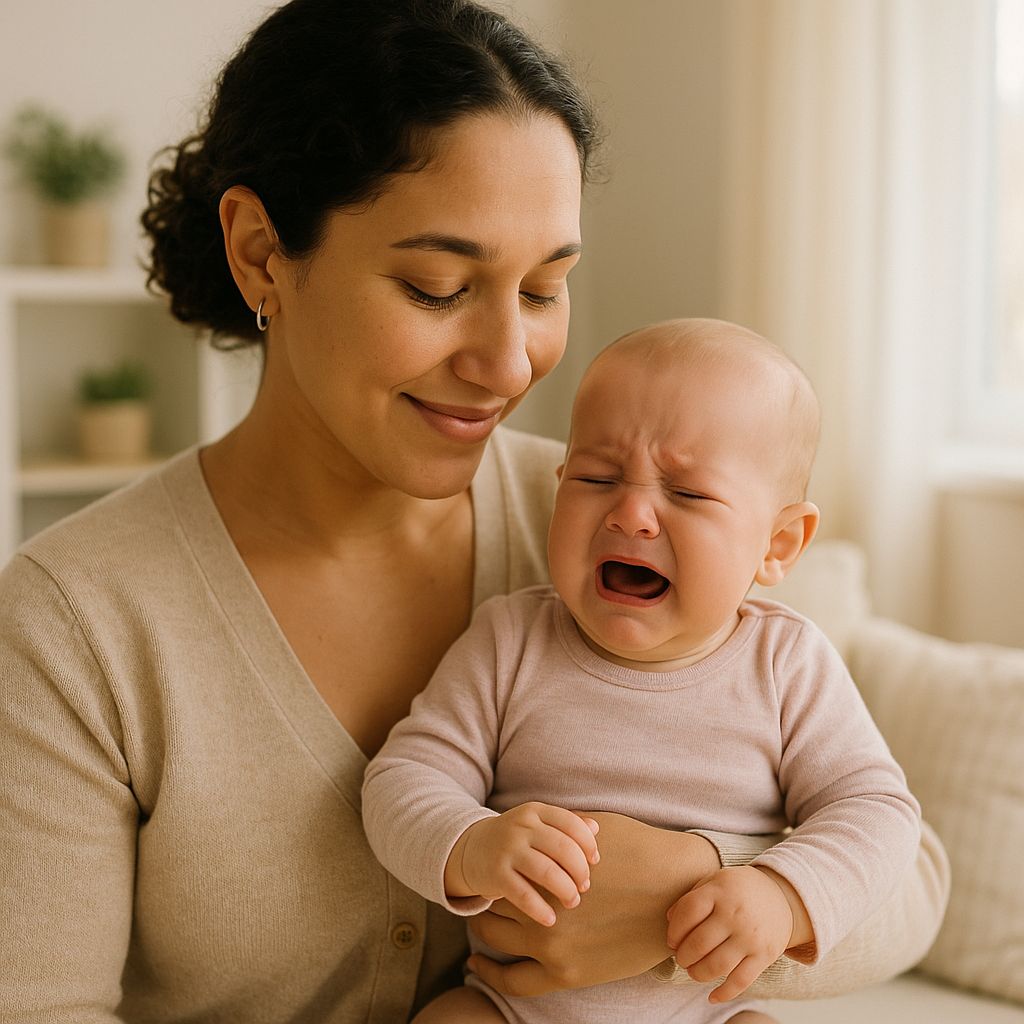
- Crying or fussing when a parent leaves
- Refusal to be comforted by other caregivers
- Disturbed sleep patterns
- Reluctance to explore or play independently
Expert Strategies for Handling Separation Anxiety in Babies
While separation anxiety is developmentally normal, there are effective ways to make transitions easier for your baby and yourself. Here are expert-backed strategies:
1. Establish Predictable Routines
Babies thrive on consistency. Creating predictable routines for daily activities—such as feeding, napping, and saying goodbye—helps your infant anticipate what comes next, reducing anxiety. For example, develop a gentle ritual for departures, like a special hug or song.
2. Practice Brief Separations
Gradually introduce your baby to short periods of separation within a safe, familiar environment. Start with just a few minutes and build up over time. This helps your baby learn that you always return, fostering trust and confidence.
3. Offer Reassurance and Comfort
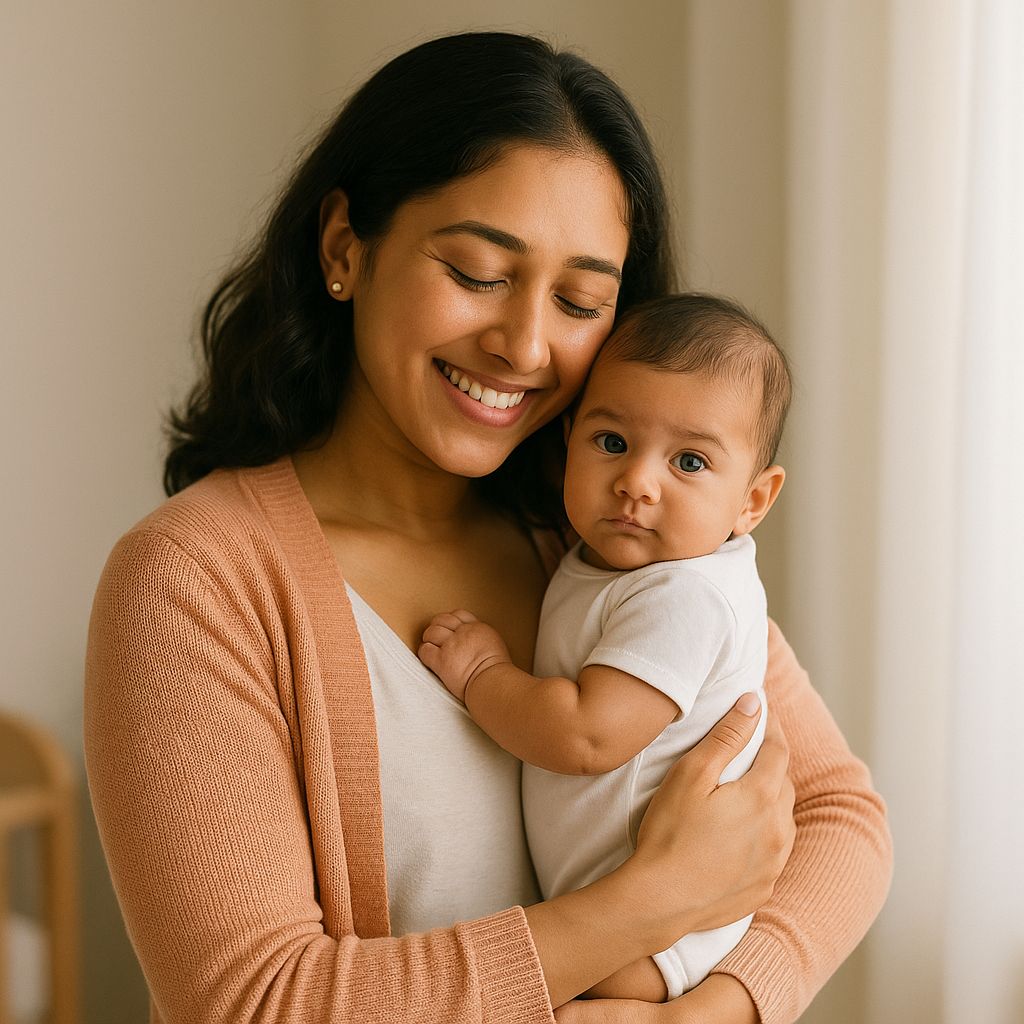
Babies need to know that their feelings are valid and that you will return. Use soothing words, maintain calm body language, and offer physical comfort such as cuddling. Consistent reassurance is key to easing anxiety.
4. Introduce New Caregivers Gradually
When new caregivers or environments are involved, allow your baby time to adjust. Spend time together with the caregiver first, then gradually increase the duration of separation. Familiarity and gradual exposure reduce distress.
5. Use Transitional Objects
Comfort objects such as a favorite blanket, stuffed animal, or item from home can provide security during separations. These items remind your baby of your presence and help soothe them.
6. Avoid Sneaking Away
Leaving without saying goodbye can increase mistrust and anxiety. Always say goodbye confidently, even if your baby cries. This builds trust and teaches your baby that separations are temporary.
7. Stay Calm and Positive
Your baby looks to you for cues. If you demonstrate calm, positive emotions during departures, your baby is more likely to feel secure. Avoid showing stress or guilt when leaving.
8. Communicate with Caregivers
Share information about your baby’s routines, preferences, and comfort strategies with other caregivers. Consistent care helps your baby feel secure even when you are not present.
Understanding the Emotional Impact on Parents
Separation anxiety can be emotionally taxing for parents. It is natural to feel guilt, frustration, or worry when your baby cries during separations. Remember, this phase is temporary and a healthy sign of attachment. Seek support from family, friends, or parenting groups if needed.
Self-Care for Parents
- Recognize that separation anxiety is normal.
- Take breaks and practice self-care.
- Connect with other parents for support.
- Consult professionals if anxiety persists.
When to Seek Professional Guidance
Most separation anxiety resolves naturally as babies grow. However, consult a pediatrician or child psychologist if:
- Anxiety severely disrupts daily life or routines
- Your baby cannot be comforted by anyone
- Symptoms persist beyond age two to three
- There are concerns about your baby’s overall development
Early intervention can help address underlying issues and support your baby’s emotional health.
Separation Anxiety Across Different Ages: What to Expect
Separation anxiety varies based on your baby’s age and developmental stage:
- 6-8 Months: Signs begin as object permanence develops.
- 10-18 Months: Peak phase; anxiety is most pronounced.
- 18-24 Months: Gradual reduction as language and understanding improve.
- 2-3 Years: Occasional relapses during transitions (e.g., starting daycare).
Tips for Easing Transitions: Practical Advice
- Prepare in Advance: Talk about separations in simple, reassuring language.
- Short Goodbyes: Keep departures brief and upbeat.
- Consistency: Use the same goodbye ritual each time.
- Comfort Objects: Offer a favorite item for security.
- Gradual Exposure: Increase separation time slowly.
- Return Promptly: Always return when promised.
The Role of Attachment in Separation Anxiety
Strong, secure attachments are central to your baby’s emotional development. Responding to your baby’s needs, offering comfort, and maintaining consistent care create a sense of safety, reducing the impact of separation anxiety.
Promoting Secure Attachment
- Respond promptly to cries and distress.
- Maintain eye contact and gentle touch.
- Engage in interactive play and communication.
- Establish predictable routines.
Myths and Misconceptions About Separation Anxiety
- Myth: Separation anxiety means poor parenting.
Reality: It is a normal developmental stage, not a reflection of parenting quality. - Myth: Babies will outgrow separation anxiety instantly.
Reality: It takes time and is influenced by temperament and environment. - Myth: Sneaking away prevents distress.
Reality: Clear goodbyes build trust and security.
Frequently Asked Questions
- At what age do babies typically experience separation anxiety?
- Babies commonly begin to show signs of separation anxiety around 6 to 8 months old, peaking between 10 and 18 months. This phase usually diminishes as children grow and develop secure attachments.
- How can parents help their baby cope with separation anxiety?
- Parents can ease separation anxiety by maintaining consistent routines, offering reassurance, practicing brief separations, introducing new caregivers gradually, and using comfort objects.
- Is separation anxiety harmful to a baby's development?
- Separation anxiety is a normal part of infant development and is not harmful. It is a sign that your baby is forming healthy attachments. However, if anxiety severely impacts daily life or persists beyond early childhood, professional guidance may be beneficial.
- Should parents sneak away to avoid upsetting their baby during separation?
- Sneaking away can increase distress and mistrust. It is more effective to say goodbye confidently and offer reassurance, helping your baby learn that separations are temporary and safe.
- When should parents seek professional help for separation anxiety?
- Consult a pediatrician if separation anxiety causes severe distress, disrupts daily routines, or persists beyond age two to three. Early intervention can help address underlying issues and support healthy emotional development.
Conclusion: Building Emotional Resilience
Separation anxiety is a natural, healthy phase in your baby’s development. With patience, consistency, and compassion, parents can support their infant’s emotional growth and help them navigate separations with confidence. By understanding the causes, practicing expert strategies, and seeking help when necessary, you lay the foundation for your child’s long-term emotional wellbeing.
Remember, every baby is unique. If you have concerns, trust your instincts and seek guidance from professionals. Your nurturing care and support are the keys to helping your baby overcome separation anxiety and thrive.