
Gross Motor Skills Development in Babies Explained
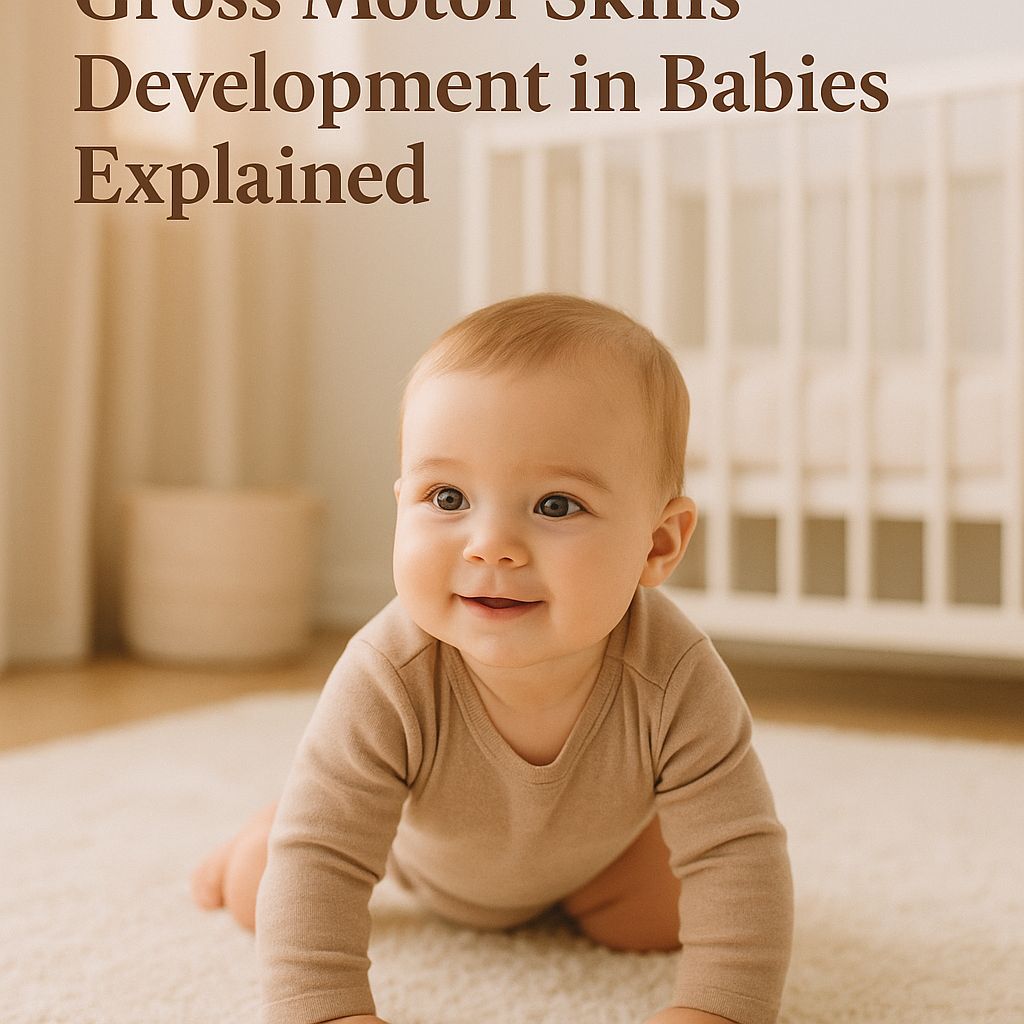
From a baby’s first wobbly lift of the head to those much-anticipated first steps, gross motor skills development in babies forms the foundation for independence and exploration. As parents and caregivers, understanding these crucial milestones and how to support them can make all the difference in nurturing confident, physically capable children.
What Are Gross Motor Skills?
Gross motor skills involve the large muscle groups of the body, especially those responsible for sitting, crawling, standing, and walking. Unlike fine motor skills—which focus on smaller movements like grasping objects—gross motor skills enable babies to control major body movements and interact with their environment on a broader scale.
Why Are Gross Motor Skills Important?
- They lay the groundwork for mobility and independence.
- They support healthy growth of bones, muscles, and coordination.
- They enhance cognitive and social development by enabling exploration and interaction.
Stages of Gross Motor Development in Babies
Every baby develops at their own pace, but there is a typical sequence of gross motor milestones that most infants follow. These milestones are stepping stones, each building on the last as your baby gains strength and coordination.
| Age Range | Milestone | Description |
|---|---|---|
| 0-2 months | Head lifting | Baby briefly lifts head during tummy time, strengthening neck muscles. |
| 2-4 months | Pushes up on arms | Baby pushes up on forearms while lying on tummy, improving upper body strength. |
| 4-6 months | Rolling over | Baby begins rolling from tummy to back and vice versa, building core strength. |
| 6-8 months | Sitting unsupported | Baby sits without support, using hands for balance initially. |
| 7-10 months | Crawling | Baby moves on hands and knees, experimenting with different crawling styles. |
| 9-12 months | Pulling to stand | Baby pulls up to a standing position using furniture or caregiver. |
| 11-14 months | Walking | Baby takes first steps, often holding onto support before walking independently. |
Factors That Influence Gross Motor Skills Development
While there is a typical progression, several factors can influence how and when your baby reaches gross motor milestones:
- Genetics: Some babies naturally develop earlier or later than others.
- Environment: Babies need safe, open spaces and opportunities to move.
- Health and Nutrition: Good nutrition and overall health support muscle growth and energy.
- Opportunity for Practice: Supervised tummy time and play encourage movement.
- Parental Engagement: Interaction, encouragement, and modeling movement help babies gain confidence.
How to Support Your Baby’s Gross Motor Skills Development
Parents can play an active role in fostering their baby’s physical growth. Here’s how:
1. Make Tummy Time a Priority
Tummy time from birth helps strengthen neck, back, and shoulder muscles. Start with a few minutes at a time and gradually increase as your baby enjoys it more.
2. Offer Safe Spaces to Explore
Clear a safe, padded area on the floor where your baby can roll, reach, and practice new movements. Avoid restrictive devices like swings or bouncers for extended periods, as these can limit movement opportunities.
3. Encourage Reaching and Grasping
Place interesting toys just out of reach to motivate your baby to stretch, roll, or crawl. This not only builds strength but also coordination and problem-solving skills.
4. Play Interactive Games
Games like peek-a-boo, pat-a-cake, and gentle bouncing on your knee engage your baby’s muscles and foster social connection.
5. Support Sitting, Crawling, and Standing
Help your baby practice sitting by providing support with your hands or pillows. As they show readiness, encourage crawling by placing toys at different distances, and offer sturdy furniture for pulling up to stand.
6. Celebrate Progress
Applaud every attempt—successes and stumbles alike. Positive reinforcement builds confidence and motivates your baby to keep trying new things.
Common Gross Motor Milestones by Age
- By 3 months: Lifts head while on tummy, kicks legs energetically.
- By 6 months: Rolls over both ways, begins to sit with support.
- By 9 months: Sits well without support, may begin crawling.
- By 12 months: Pulls to stand, cruises along furniture, may take first independent steps.
Recognizing Delays in Gross Motor Development
While variations are normal, certain signs may indicate a need for further evaluation:
- Stiff or floppy muscle tone
- Consistently favors one side of the body
- Not rolling by 6 months
- Unable to sit unsupported by 9 months
- No attempt to crawl or stand by 12 months
If you notice these signs, consult your pediatrician. Early intervention programs, such as physical therapy, can help address underlying challenges and support development.
Fun Gross Motor Activities for Babies
Incorporate gross motor skills activities into daily routines:
- Tummy time adventures: Place mirrors or high-contrast toys during tummy time for engagement.
- Obstacle courses: Arrange pillows or soft objects for crawling over or around.
- Music and movement: Dance gently with your baby or encourage bouncing to music.
- Outdoor play: Fresh air and new textures offer sensory and motor experiences.
- Water play: Splashing in a shallow tub strengthens arms and legs.
Frequently Asked Questions
What are gross motor skills in babies?
Gross motor skills refer to the abilities required to control large muscles of the body, enabling movements such as lifting the head, rolling over, sitting, crawling, standing, and walking.
At what age do babies typically start sitting up or crawling?
Most babies sit without support by 6-8 months and begin crawling between 7-10 months, though individual timelines may vary.
How can I support my baby's gross motor development?
Provide supervised tummy time, encourage reaching and grasping, offer safe spaces for movement, and engage in interactive play that promotes movement.
When should I be concerned about my baby’s gross motor development?
Consult your pediatrician if your baby misses multiple milestones or shows little interest in moving, as early intervention can be beneficial.
Conclusion
Gross motor skills development in babies is a remarkable journey, unique to each child. By understanding the typical timeline and supporting your baby’s physical growth with play, encouragement, and safe opportunities for movement, you are laying the groundwork for a lifetime of healthy development. Trust your instincts, celebrate every achievement, and don’t hesitate to seek guidance if you have concerns—every step, roll, and bounce is a leap toward independence.