
Furniture Safety Tips to Prevent Injuries: A Parent’s Guide
Home should be a sanctuary for families, but it’s surprising how many injuries occur within its walls, especially among children. According to the U.S. Consumer Product Safety Commission (CPSC), tens of thousands of children are treated annually for injuries caused by falling furniture. Most of these accidents are preventable with the right precautions. This comprehensive guide covers expert furniture safety tips, actionable childproofing strategies, and advice to foster a safer home environment for your family.
Why Is Furniture Safety Crucial in Homes with Children?
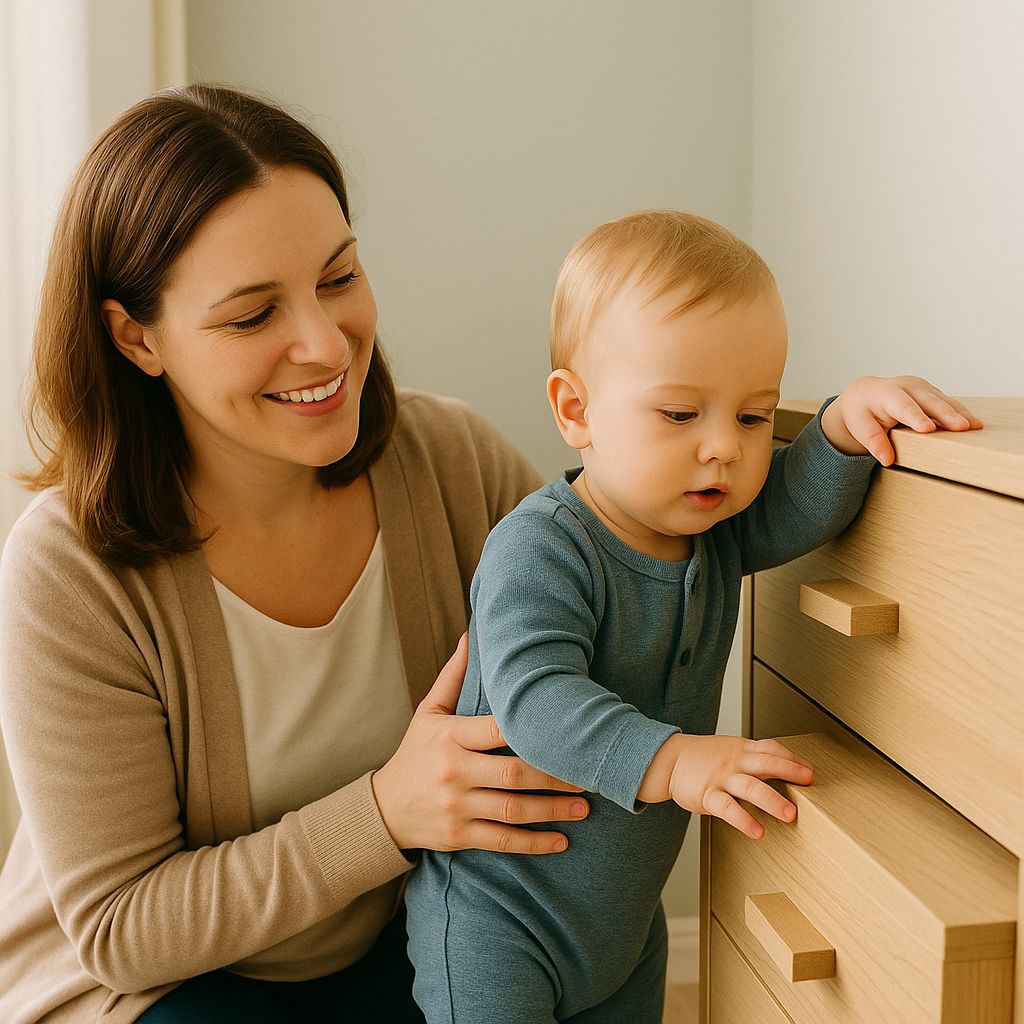
Children are naturally curious and often use furniture to pull themselves up, climb, or explore. Unfortunately, unstable or unanchored pieces of furniture can tip over, posing serious risks such as head injuries, fractures, and, in extreme cases, fatalities. Safe furniture practices are a cornerstone of injury prevention at home.
Common Furniture-Related Hazards
- Tip-overs from dressers, bookcases, and televisions.
- Sharp corners and edges on tables and counters.
- Unstable chairs and stools.
- Glass components that can shatter.
- Drawers and doors that pinch little fingers.
Top Furniture Safety Tips to Prevent Injuries
1. Anchor Furniture to the Wall
One of the most effective ways to prevent tip-overs is to secure heavy and tall furniture to the wall using furniture anchors or anti-tip kits. This includes:
- Dressers and chests of drawers
- Bookcases and shelving units
- TV stands and entertainment centers
- Cabinets and armoires
Follow the manufacturer's instructions for installation, and use appropriate wall anchors for your wall type (drywall, plaster, concrete).
2. Choose Sturdy, Child-Safe Furniture
When purchasing new furniture, prioritize pieces with wide bases, low centers of gravity, and sturdy construction. Avoid tall, narrow, or unstable items. Opt for furniture with rounded corners and edges to minimize injury risk.
3. Secure Televisions
Modern flat-screen TVs can easily tip if not secured. Use wall mounts or anti-tip straps. Never place a TV on an unstable or small surface.
4. Install Corner and Edge Protectors
Sharp edges on coffee tables, counters, and low shelves are a common source of bumps and bruises. Place soft corner and edge protectors on all accessible sharp edges, especially at the child’s head height.
5. Organize Cords and Cables
Loose cords from lamps, electronics, or blinds can cause tripping or strangulation hazards. Use cord shorteners, covers, or organizers to keep cords out of reach.
6. Keep Heavy Items Low
Store heavy objects (books, electronics, decor) on lower shelves to lower the center of gravity and reduce risk if a child tries to climb.
7. Lock Drawers and Cabinets
Install childproof locks or latches on drawers and cabinets to prevent children from climbing or accessing hazardous items.
8. Avoid Placing Tempting Items High Up
Children may be tempted to climb furniture if they see toys, remotes, or snacks placed out of reach. Store these items out of sight or within easy reach to discourage climbing.
9. Regularly Inspect and Maintain Furniture
Check all furniture regularly for signs of wear, instability, or damage. Tighten loose screws, and replace or repair any broken parts immediately.
10. Educate Your Children
Teach children about the dangers of climbing furniture and the importance of safe play. Set household rules and model safe behavior.
Childproofing Strategies for Every Room
Living Room
- Anchor bookshelves and TV stands.
- Use furniture straps for large electronics.
- Install corner protectors on coffee and end tables.
Bedroom
- Anchor dressers, nightstands, and wardrobes.
- Ensure beds and cribs are sturdy and comply with safety standards.
- Keep cords from window blinds out of reach.
Nursery
- Use anti-tip devices for all furniture.
- Keep changing tables organized and never leave a baby unattended.
- Secure rocking chairs or gliders to prevent tipping.
Kitchen
- Secure chairs and stools to prevent sliding or tipping.
- Use latches on drawers and cabinets containing sharp or hazardous items.
- Keep breakable or heavy items in lower cabinets.
Bathroom
- Store cleaning supplies and medications in locked cabinets.
- Use non-slip mats for stability.
Choosing Safe Materials and Designs
While anchoring and childproofing are essential, the materials and design of your furniture also impact safety:
- Solid wood and metal are generally more stable than particleboard or plastic.
- Avoid glass tables or glass-fronted cabinets in play areas to prevent shattering injuries.
- Rounded edges are safer than sharp, square corners.
- Check for non-toxic finishes and paints, especially for nursery and toddler furniture.
DIY vs. Professional Anchoring: What’s Best?
Many home improvement stores offer DIY furniture anchoring kits, which are effective when properly installed. However, if you are unsure or have many pieces to secure, consider hiring a professional. They can assess wall types and ensure proper installation.
Additional Safety Devices for Childproofing Furniture
- Anti-tip straps and anchors: Secure furniture to the wall.
- Corner and edge guards: Cushion sharp areas.
- Drawer and cabinet locks: Prevent access to dangerous items.
- Furniture pads: Prevent sliding on smooth floors.
Emergency Preparedness
Despite your best efforts, accidents may still occur. Be prepared:
- Keep a first-aid kit accessible.
- Know basic first aid for cuts, bruises, and head injuries.
- Have emergency numbers posted and saved in your phone.
Frequently Asked Questions
- Why is anchoring furniture important for child safety?
- Anchoring furniture prevents tip-overs, which are a leading cause of injury for young children. Securely attached furniture cannot fall if climbed upon or bumped.
- What furniture should be anchored?
- Dressers, bookshelves, TV stands, and any tall or heavy furniture that could tip over should be anchored securely to the wall.
- How often should I check the stability of my furniture?
- Inspect your furniture every few months, especially after moving or rearranging, to ensure all safety devices remain secure and the furniture is stable.
- Are there furniture materials that are safer than others?
- Solid wood and sturdy metal frames are generally safer than lightweight or glass furniture, which can break or tip over more easily.
- What age should I start childproofing furniture?
- Begin childproofing as soon as your baby starts crawling or pulling up, as this is when they become mobile and curious about their environment.
Conclusion: Safety Is a Continuous Effort
Creating a safe home environment is an ongoing journey. By following these furniture safety tips, you can significantly reduce the risk of preventable injuries and provide peace of mind as your children explore and grow. Regularly reassess your living spaces, update your childproofing as your child’s abilities change, and always stay informed about the latest safety recommendations. Remember, a secure home is a happy home for every member of the family.