
Foods to Eat and Avoid During Pregnancy: A Comprehensive Guide
Pregnancy is a transformative journey, marked by physical, emotional, and nutritional changes. Understanding which foods to eat and avoid during pregnancy is essential for your health and your baby's development. This guide will provide expert advice on making nutritious, safe dietary choices, optimizing prenatal health, and ensuring a balanced pregnancy diet.
Why Nutrition Matters During Pregnancy
Proper nutrition is the foundation of a healthy pregnancy. The nutrients you consume support fetal growth, maternal wellbeing, and can even influence your child's long-term health. The right foods can provide vital vitamins, minerals, and energy, while avoiding certain foods protects against foodborne illnesses, toxicity, and complications.
Key Nutrients for Pregnancy
- Folic Acid: Prevents neural tube defects. Found in leafy greens, fortified cereals, and legumes.
- Iron: Supports blood volume expansion and prevents anemia. Present in lean meats, beans, and spinach.
- Calcium: Supports bone development. Sources include dairy, fortified plant milks, and tofu.
- Vitamin D: Helps absorption of calcium and supports immune function.
- Omega-3 fatty acids: Crucial for brain development. Found in fatty fish, walnuts, and flaxseeds.
- Protein: Essential for growth and repair. Sources include eggs, poultry, legumes, and dairy.
Foods to Eat During Pregnancy
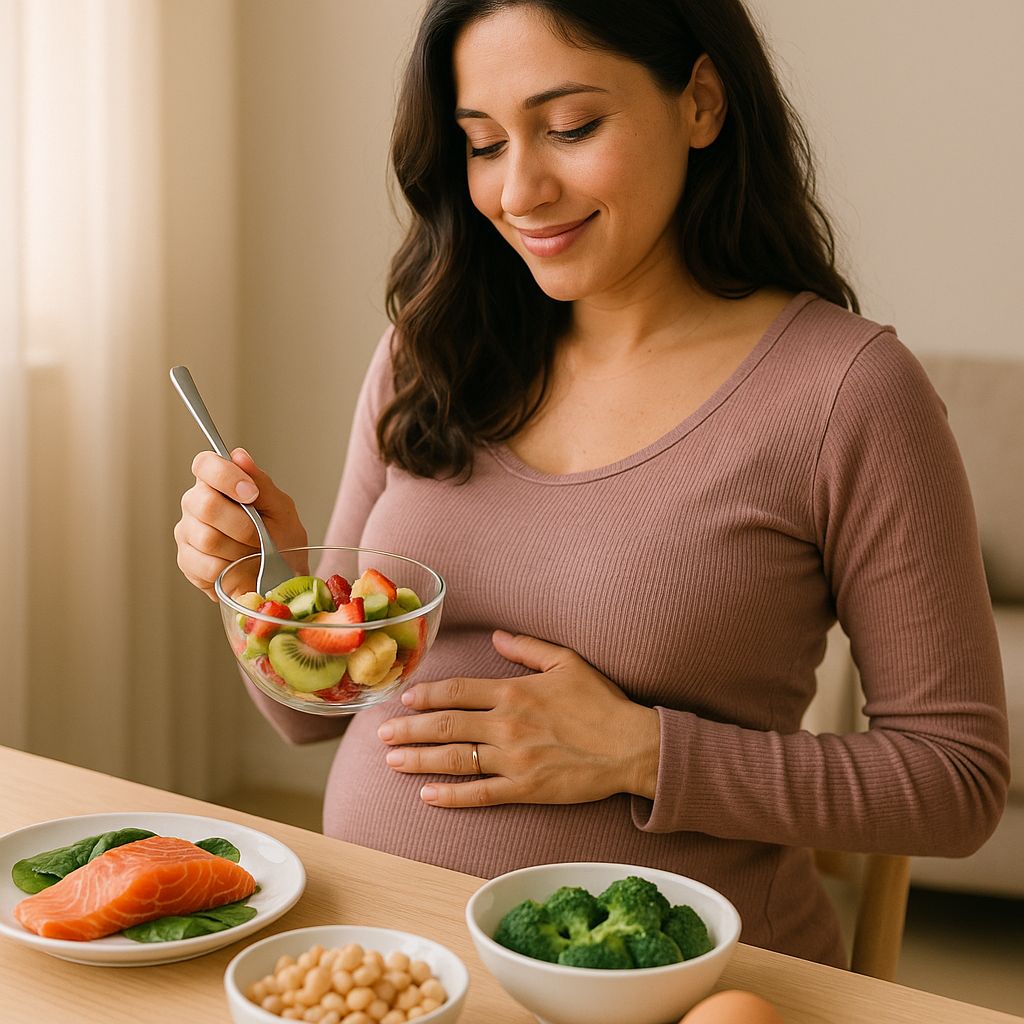
Eating a variety of nutrient-rich foods is key. Here are the best choices for expectant mothers:
1. Fruits and Vegetables
- Provide fiber, vitamins, and minerals.
- Include a rainbow of colors: berries, oranges, spinach, carrots, and avocados.
- Wash thoroughly to remove pesticides and bacteria.
2. Whole Grains
- Brown rice, quinoa, oats, and whole wheat bread offer fiber and B vitamins.
- Help maintain energy and prevent constipation.
3. Lean Proteins
- Choose poultry, eggs, lean beef, fish (low-mercury), beans, lentils, and tofu.
- Supports fetal growth and maternal muscle repair.
4. Dairy and Alternatives
- Milk, yogurt, cheese, and fortified plant-based alternatives provide calcium and protein.
- Opt for pasteurized products to avoid harmful bacteria.
5. Healthy Fats
- Avocados, nuts, olive oil, and fatty fish like salmon offer omega-3s and support brain development.
6. Hydration
- Drink plenty of water throughout the day.
- Herbal teas (except those containing caffeine or unapproved herbs) and fresh fruit juices (pasteurized) can supplement hydration.
Foods to Avoid During Pregnancy
Certain foods can pose risks to your health and your baby's development. Understanding what to avoid is just as important as knowing what to eat.
1. High-Mercury Fish
- Shark, swordfish, king mackerel, and tilefish contain high levels of mercury, which can affect fetal brain development.
- Opt for low-mercury fish like salmon, sardines, and trout.
2. Unpasteurized Dairy Products
- Raw milk, soft cheeses (brie, camembert, feta, unless labeled as made from pasteurized milk) can harbor Listeria.
3. Raw or Undercooked Meats, Eggs, and Seafood
- Risk of Salmonella, Toxoplasmosis, and Listeria.
- Cook all meats, eggs, and seafood thoroughly.
4. Deli Meats and Hot Dogs
- Can contain Listeria unless heated until steaming hot.
5. Excess Caffeine
- Limit to 200mg/day (about one 12oz cup of coffee).
- High caffeine intake is linked to miscarriage and low birth weight.
6. Alcohol
- No safe level during pregnancy; can cause fetal alcohol syndrome and developmental issues.
7. Highly Processed Foods
- Avoid excessive amounts of processed snacks, sugary beverages, and fried foods.
- These offer little nutrition and can contribute to excessive weight gain and gestational diabetes.
8. Artificial Sweeteners
- Some, like saccharin, are not recommended. Use aspartame and sucralose in moderation if approved by your healthcare provider.
9. Certain Herbal Teas and Supplements
- Avoid teas with ingredients like licorice, sage, or unapproved herbs. Some supplements may be unsafe.
- Consult your doctor before consuming any herbal products.
Special Considerations for Pregnancy Diet
Food Allergies and Intolerances
If you have allergies or intolerances, focus on safe alternatives. For example, lactose-intolerant women can choose fortified plant-based milks for calcium, and gluten-free grains like quinoa or rice.
Managing Common Pregnancy Symptoms
- Nausea: Eat small, frequent meals; bland foods like crackers or toast; ginger teas.
- Constipation: Increase fiber intake (whole grains, fruits, vegetables) and drink plenty of water.
- Heartburn: Avoid spicy or acidic foods, eat smaller meals, and don’t lie down immediately after eating.
Meal Planning Tips
- Plan balanced meals with a mix of protein, whole grains, and vegetables.
- Prep healthy snacks in advance (nuts, fruit, yogurt).
- Keep a food diary to track intake and identify any triggers.
- Ensure food safety: wash produce, cook foods thoroughly, and avoid cross-contamination.
Sample Pregnancy Meal Plan
Here's a sample day of balanced eating during pregnancy:
- Breakfast: Scrambled eggs, whole grain toast, fresh berries, and a glass of pasteurized milk
- Snack: Greek yogurt with chopped walnuts
- Lunch: Grilled salmon salad with leafy greens, cherry tomatoes, avocado, and olive oil vinaigrette
- Snack: Sliced apple with peanut butter
- Dinner: Stir-fried chicken and vegetables over brown rice
- Snack: Whole grain crackers with hummus
Food Safety Tips During Pregnancy
- Wash hands, utensils, and cutting boards before and after handling food.
- Wash all produce thoroughly.
- Cook meats, eggs, and seafood to recommended temperatures.
- Refrigerate leftovers promptly and avoid eating foods past their expiration date.
- Be cautious with buffets or foods left out at room temperature.
Consulting Your Healthcare Provider
Every pregnancy is unique. Always consult your healthcare provider before making significant dietary changes or if you have concerns about food allergies, intolerances, or medical conditions.
Conclusion
Maintaining a healthy, balanced diet during pregnancy is one of the most important steps you can take for yourself and your baby. By eating nutrient-rich foods, avoiding those that pose risks, and practicing food safety, you set the stage for optimal development and a smoother pregnancy. Remember, expert guidance and personalized advice from your healthcare team are invaluable on this journey.
Frequently Asked Questions
- What are the most important nutrients during pregnancy?
- Key nutrients include folic acid, iron, calcium, vitamin D, omega-3 fatty acids, and protein. These support fetal development, maternal health, and help prevent complications.
- Can I eat fish during pregnancy?
- Yes, but choose low-mercury options like salmon, sardines, and trout. Avoid high-mercury fish such as shark, swordfish, king mackerel, and tilefish.
- Is caffeine safe during pregnancy?
- Moderate caffeine intake (up to 200mg per day, about one 12oz cup of coffee) is considered safe. Excessive caffeine may increase the risk of miscarriage or low birth weight.
- What foods should I avoid to prevent foodborne illnesses?
- Avoid unpasteurized dairy, raw or undercooked meats, eggs, and seafood, as well as deli meats unless heated to steaming hot. These can harbor harmful bacteria like Listeria and Salmonella.
- How can I manage nausea or food aversions during pregnancy?
- Eat small, frequent meals, stick to bland foods, and stay hydrated. Ginger, dry crackers, and avoiding strong odors can help reduce nausea.
References
- American College of Obstetricians and Gynecologists. (2022). Nutrition During Pregnancy.
- Centers for Disease Control and Prevention. (2023). Pregnancy Nutrition.
- Mayo Clinic. (2023). Pregnancy diet: Focus on these essential nutrients.