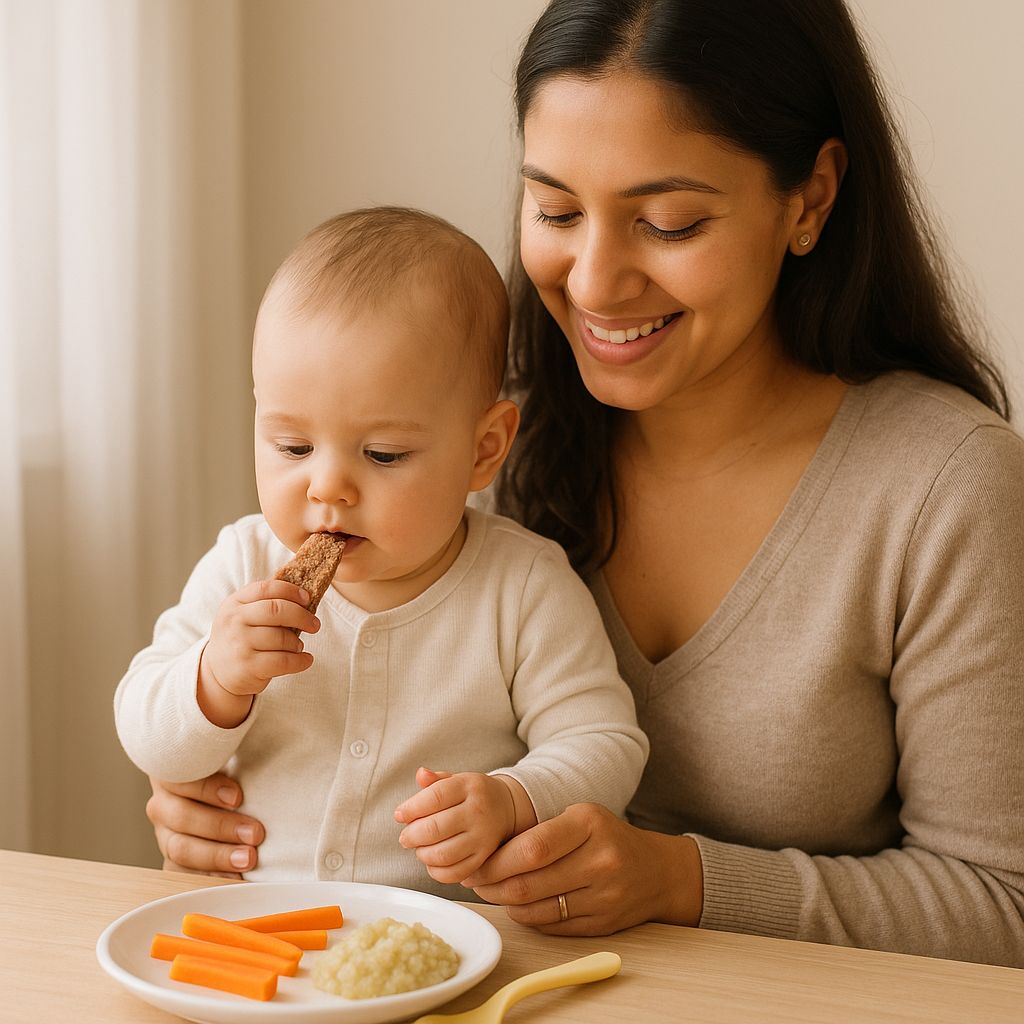

Foods to Avoid for Babies Under 1 Year: A Complete Guide for Parents
Introducing solid foods is an exciting milestone in your baby’s development, but it also brings new responsibilities and challenges for parents. Babies’ digestive systems are still developing, and their immune systems are more vulnerable. Knowing which foods to avoid during the first year is crucial for keeping your infant safe, healthy, and thriving.
Why Are Certain Foods Unsafe for Babies Under 1 Year?
Babies under one year have immature digestive systems and underdeveloped immune responses. Some foods can pose risks such as choking, allergies, or exposure to harmful bacteria and toxins. Pediatric experts recommend delaying certain foods to minimize these dangers and ensure proper growth.
The Main Risks:
- Choking Hazards: Babies lack the teeth and chewing skills to safely eat hard or round foods.
- Allergic Reactions: Some foods are highly allergenic and should be introduced under medical guidance.
- Toxins and Bacteria: Infants are more susceptible to foodborne illnesses and toxins due to immature gut flora.
- Nutritional Deficiencies: Certain foods may not provide the right balance of nutrients or may impede absorption.
Foods to Strictly Avoid for Babies Under 1 Year
1. Honey
Reason: Honey may contain spores of Clostridium botulinum, which can cause infant botulism—a rare but serious illness. Babies’ digestive systems cannot neutralize these spores, making honey a dangerous choice before the age of one.
Recommendation: Avoid all forms of honey, including processed foods containing honey, until after your baby’s first birthday.
2. Cow’s Milk (as a Drink)
Reason: Cow’s milk lacks the proper balance of nutrients for infants and may overload their kidneys. It also increases the risk of iron-deficiency anemia and can cause digestive issues.
Recommendation: Breast milk or infant formula should remain the primary source of nutrition until 12 months. Small amounts of dairy products, such as yogurt or cheese, may be introduced around 9-10 months, but always consult with your pediatrician.
3. Added Sugars and Artificial Sweeteners
Reason: Sugars can lead to unhealthy weight gain, dental problems, and may set the stage for poor dietary habits.
Recommendation: Avoid foods with added sugars, syrups, or artificial sweeteners. Choose naturally sweet fruits or vegetables instead.
4. Salt and High-Sodium Foods
Reason: Babies’ kidneys are not equipped to process excess sodium, which can affect kidney function and blood pressure.
Recommendation: Do not add salt to homemade baby food. Avoid processed or packaged foods (like canned soups, chips, or salty snacks).
5. Whole Nuts and Nut Chunks
Reason: Whole nuts pose a serious choking risk for babies. Nut butters (like peanut butter) can be sticky and difficult to swallow.
Recommendation: If introducing nut butters, use smooth, thin spreads and mix with other foods. Avoid whole nuts and chunky spreads until your child is older.
6. Unpasteurized Dairy and Juices
Reason: Unpasteurized products may contain harmful bacteria (like E. coli or Salmonella) that can cause severe illness.
Recommendation: Only offer pasteurized dairy products and avoid fruit juices altogether for infants under 12 months.
7. Choking Hazard Foods
Reason: Babies are at high risk for choking due to their small windpipes and lack of chewing skills.
- Whole grapes
- Popcorn
- Raw carrots or apples
- Hot dogs (unless cut into tiny pieces)
- Hard candies
- Marshmallows
Recommendation: Always cut foods into small, manageable pieces and cook or steam hard vegetables to soften their texture.
8. Fish High in Mercury
Reason: Mercury can affect brain development and nervous system function.
Recommendation: Avoid fish like shark, swordfish, king mackerel, and tilefish. Choose low-mercury options like salmon or cod, but always check with your pediatrician.
9. Raw or Undercooked Eggs, Meats, and Fish
Reason: These foods can harbor bacteria and parasites dangerous to infants.
Recommendation: Always cook eggs, meats, and fish thoroughly before serving to your baby.
10. Processed Foods and Junk Food
Reason: Processed foods often contain artificial additives, preservatives, and unhealthy fats unsuitable for developing infants.
Recommendation: Focus on fresh, whole foods. Avoid chips, salty crackers, cookies, and packaged snacks.
Foods to Introduce with Caution
- Eggs: Can be allergenic; start with well-cooked eggs and monitor for reactions.
- Peanut Butter: Smooth, diluted peanut butter may be introduced if there is no family history of allergy, but consult your pediatrician.
- Strawberries, Citrus, Tomatoes: May cause diaper rash or mild reactions; introduce in moderation.
Common Questions About Infant Feeding
Can Babies Have Fruit Juice?
No. Even pasteurized fruit juice is not recommended for babies under one year. Juice can lead to diarrhea, unhealthy weight gain, and tooth decay. Offer breast milk, formula, or water instead.
Are Dairy Products Safe?
Small amounts of pasteurized yogurt or cheese may be introduced after 9 months. Cow’s milk as a drink should be avoided until after 12 months.
How Should Meat Be Prepared?
Meat should be fully cooked and pureed or finely chopped for easy swallowing. Avoid raw or undercooked meat and fish.
Tips for Safe and Healthy Feeding
- Always supervise your baby during meals.
- Introduce new foods one at a time and watch for allergic reactions.
- Offer foods in appropriate textures and sizes for your baby’s age and development.
- Prioritize breast milk or formula as the main source of nutrition.
- Consult your pediatrician about introducing allergens and navigating family histories of allergy.
Practical Meal Ideas for Infants
When planning your baby’s meals, focus on nutrient-rich, whole foods:
- Pureed vegetables (sweet potato, peas, carrots)
- Mashed fruits (banana, avocado, cooked apples)
- Well-cooked grains (rice, oats, barley)
- Pureed or finely shredded meats (chicken, turkey, beef)
- Pasteurized yogurt or cheese (in small quantities)
Summary Table: Foods to Avoid for Babies Under 1 Year
| Food | Reason to Avoid | Safe Age to Introduce |
|---|---|---|
| Honey | Botulism risk | 12+ months |
| Cow’s milk | Kidney stress, iron deficiency | 12+ months |
| Added sugars | Dental and health issues | 12+ months (limit) |
| Salt | Kidney stress | 12+ months (limit) |
| Whole nuts | Choking hazard | 3+ years |
| Unpasteurized products | Bacterial infection risk | 12+ months |
| Choking hazard foods | Choking risk | 2-3+ years (as recommended) |
| High-mercury fish | Mercury toxicity | Varies (consult pediatrician) |
| Raw/undercooked eggs, meats, fish | Bacterial infection risk | 12+ months (fully cooked) |
| Processed foods | Unhealthy additives | 12+ months (limit) |
Conclusion: Prioritizing Infant Health and Nutrition
The foods you offer your baby during the first year lay the foundation for lifelong health and eating habits. By avoiding unsafe foods and focusing on nutrient-rich options, you can support your child’s physical and cognitive development while minimizing risks.
Trust your instincts, follow expert recommendations, and consult your pediatrician whenever you’re unsure. With careful planning and attention, mealtimes will be safe, nourishing, and enjoyable for your little one.
References
- American Academy of Pediatrics. (www.aap.org)
- CDC’s Infant Feeding Guidelines. (CDC Nutrition)
- Mayo Clinic: Foods to Avoid for Babies. (Mayo Clinic Baby Food)