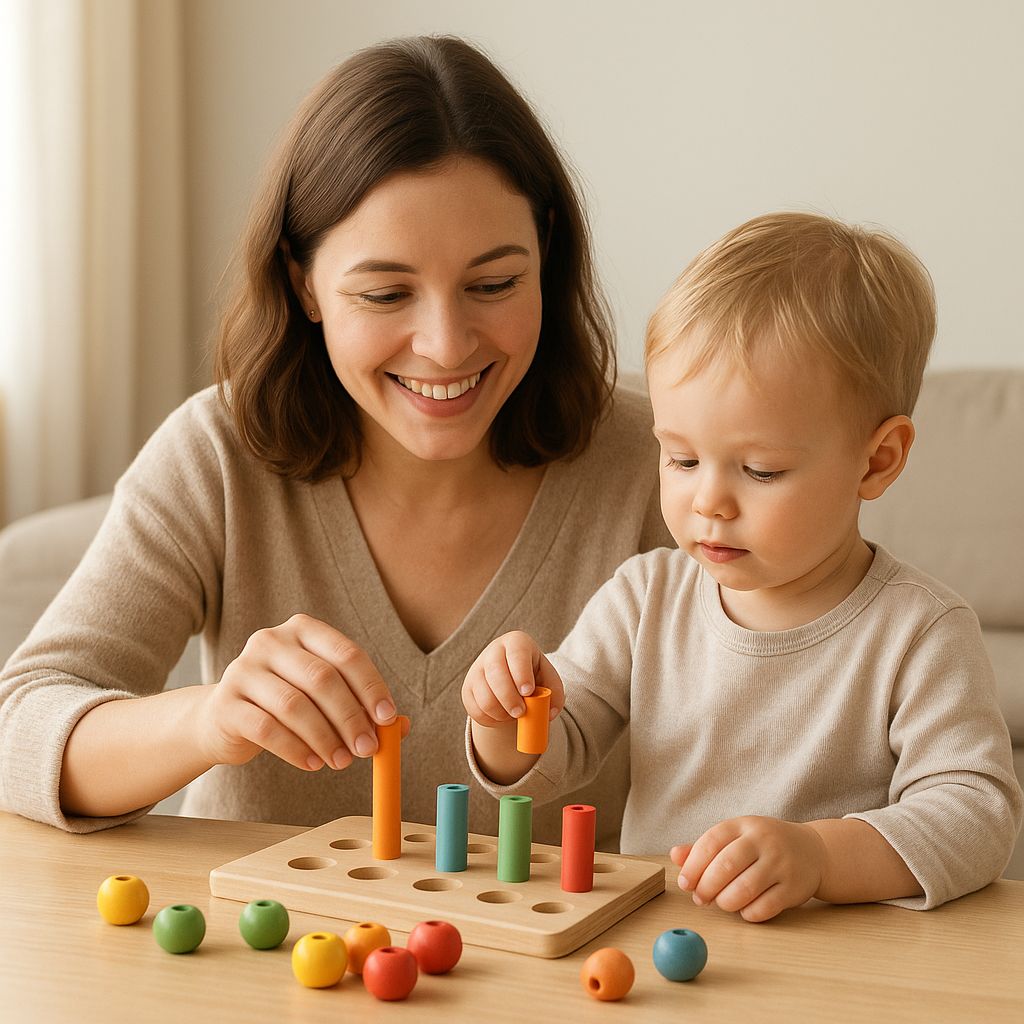

Fine Motor Skill Activities for Toddlers: Fun Ways to Boost Development
Have you ever watched your toddler try to pick up a tiny snack or scribble on a piece of paper? Those adorable moments are more than just play—they’re essential steps in building fine motor skills. At Growing Giggles, we know how important these skills are for your little one’s growth, independence, and school readiness. Let’s dive into the world of fine motor skill activities for toddlers and discover how you can encourage their development through fun, creative play!
What Are Fine Motor Skills?
Fine motor skills refer to the coordination of small muscles—particularly in the hands and fingers. These skills enable toddlers to perform everyday tasks like:
- Grasping toys
- Feeding themselves
- Stacking blocks
- Turning pages
- Drawing and coloring
- Buttoning clothes
Developing these skills is vital for self-care, academic activities, and creative expression. The good news? You don’t need fancy tools or expensive toys. Everyday objects and playful routines are perfect for boosting those little hands!
Why Are Fine Motor Skills Important for Toddlers?
Fine motor skills lay the foundation for future learning and independence. Strong hand and finger muscles help your toddler:
- Hold a pencil or crayon
- Feed themselves with utensils
- Dress with buttons and zippers
- Complete puzzles and crafts
- Build confidence and problem-solving skills
Early mastery of these skills is linked to smoother transitions into preschool and kindergarten. Plus, it makes daily life easier—for both your child and you!
Signs Your Toddler Needs Fine Motor Practice
Every toddler develops at their own pace, but you might notice your little one struggling with tasks like:
- Picking up small items
- Holding a crayon or marker
- Stacking blocks or toys
- Using utensils
- Manipulating buttons or zippers
If these challenges persist, don’t worry—practice and patience often lead to improvement! If you have concerns, consult your pediatrician or an occupational therapist.
Best Fine Motor Skill Activities for Toddlers
Ready to get started? Here are expert-recommended activities that make building fine motor skills easy, engaging, and fun for toddlers:
1. Playdough Fun
Squishing, rolling, and pinching playdough strengthens little fingers and sparks creativity. Try:
- Rolling balls and snakes
- Flattening playdough with palms
- Using cookie cutters and plastic utensils
- Making simple shapes or animals
2. Finger Painting & Coloring
Bring out washable paints, crayons, or markers. Encourage your toddler to:
- Finger paint on large sheets
- Color inside shapes
- Draw lines, circles, or scribbles
This activity boosts hand-eye coordination and creative expression.
3. Building & Stacking Blocks
Stacking blocks, cups, or small toys enhances grip strength and spatial awareness. Challenge your child to:
- Build towers
- Sort blocks by color or size
- Knock down and rebuild
4. Threading & Lacing Activities
Threading beads or lacing cards helps with precision and concentration. Try:
- Stringing large beads onto shoelaces
- Lacing cards with holes and yarn
- Making simple necklaces or bracelets
5. Puzzles & Shape Sorters
Puzzles (with chunky pieces) and shape sorters require careful manipulation, boosting problem-solving and motor skills.
6. Sensory Bins
Fill a tray or bin with sensory materials like:
- Rice, beans, or pasta
- Water beads
- Sand or shredded paper
Provide scoops, tweezers, or small containers for sorting and transferring objects.
7. Cutting Practice (Supervised!)
With child-safe scissors and supervision, let your toddler snip strips of paper or cut simple shapes. Cutting strengthens hand muscles and coordination.
8. Sticker Play
Peeling and placing stickers on paper is surprisingly challenging! Encourage your child to:
- Match stickers to shapes or colors
- Create scenes or patterns
9. DIY Crafts: Egg Carton Caterpillars
Reuse egg cartons for a simple craft. Cut segments, let your toddler paint them, and attach pipe cleaners for antennae. Gluing and painting support fine motor skills.
10. Everyday Activities
- Let your toddler help set the table (pick up spoons, napkins)
- Practice buttoning or zipping during dressing
- Open and close containers
- Pick up snacks like raisins or cereal
Tips for Encouraging Fine Motor Development
- Keep it fun: Toddlers learn best through playful, hands-on activities.
- Use everyday objects: No need for expensive toys. Kitchen tools, recycled items, and simple craft supplies work wonders.
- Offer variety: Rotate activities to keep things fresh and interesting.
- Model and guide: Show your child how to manipulate objects, but let them explore independently.
- Encourage effort: Celebrate attempts, not just successes. Positive feedback builds confidence.
- Adapt for ability: Choose activities suited to your child’s stage and adjust as they progress.
DIY Fine Motor Skill Activities at Home
You don’t need a classroom or therapist to boost your toddler’s skills. Here are some easy DIY ideas:
Pom-Pom Drop
- Use empty water bottles or cardboard tubes.
- Let your toddler drop pom-poms through the opening.
- For added challenge, use tongs or tweezers!
Button Sorting
- Gather a variety of buttons or coins.
- Sort by size, color, or shape in muffin tins.
- Practice picking up and moving one at a time.
Paper Tearing
- Offer colorful paper for your toddler to tear into pieces.
- Use torn pieces for collage crafts.
Spaghetti Threading
- Stick uncooked spaghetti upright in playdough.
- Let your child thread Cheerios or beads onto the spaghetti.
Water Play
- Fill a shallow dish with water.
- Provide cups, spoons, and sponges for pouring and squeezing.
How to Make Activities Part of Your Routine
Consistency is key! Try to weave fine motor activities into daily life:
- During breakfast, let your toddler pick up cereal or cut fruit.
- At playtime, offer a mix of blocks, puzzles, and art supplies.
- During chores, invite your child to help sort laundry or stack cans.
- On walks, collect leaves or small stones for sorting and crafts.
Keep sessions short and positive. Most toddlers thrive on 10–15 minutes of focused activity, followed by free play.
Signs of Progress in Fine Motor Skills
Celebrate milestones like:
- Picking up small snacks easily
- Stacking higher towers
- Drawing simple shapes or lines
- Buttoning or zipping clothes
- Completing simple puzzles
Remember, every child’s journey is unique. If you notice steady improvement and growing confidence, you’re on the right track!
When to Seek Help
If your toddler consistently struggles with tasks, appears frustrated, or avoids using their hands, it may be time to consult your pediatrician. Early intervention can make a big difference. Occupational therapists specialize in supporting motor development and can tailor strategies to your child’s needs.
Frequently Asked Questions
- What are fine motor skills?
- Fine motor skills involve coordination of small muscles in the hands and fingers, enabling tasks like grasping, writing, buttoning, and manipulating objects. These skills are essential for daily activities and academic readiness.
- How can I help my toddler develop fine motor skills?
- Provide activities like stacking blocks, coloring, threading beads, using playdough, and engaging in crafts. Make these activities fun and part of your daily routine.
- When should I be concerned about my toddler’s fine motor skills?
- If your toddler consistently struggles with tasks like picking up small objects, holding crayons, or feeding themselves, consider consulting your pediatrician or an occupational therapist.
- Are screen activities useful for fine motor skills?
- While certain apps may encourage finger movement, hands-on activities with real objects are far more beneficial for developing fine motor skills in toddlers.
- How often should I do fine motor skill activities with my toddler?
- Aim for daily opportunities, but keep them short and playful. Incorporate skill-building into everyday routines—like mealtime, dressing, and playtime.
Conclusion: Small Hands, Big Steps
Fine motor skill activities for toddlers aren’t just about preparing for school—they’re about fostering independence, creativity, and confidence. With a little guidance, lots of encouragement, and playful routines, you can help your child’s hands—and heart—grow strong. Remember: every day offers new opportunities, and every tiny triumph is worth celebrating. Happy playing!