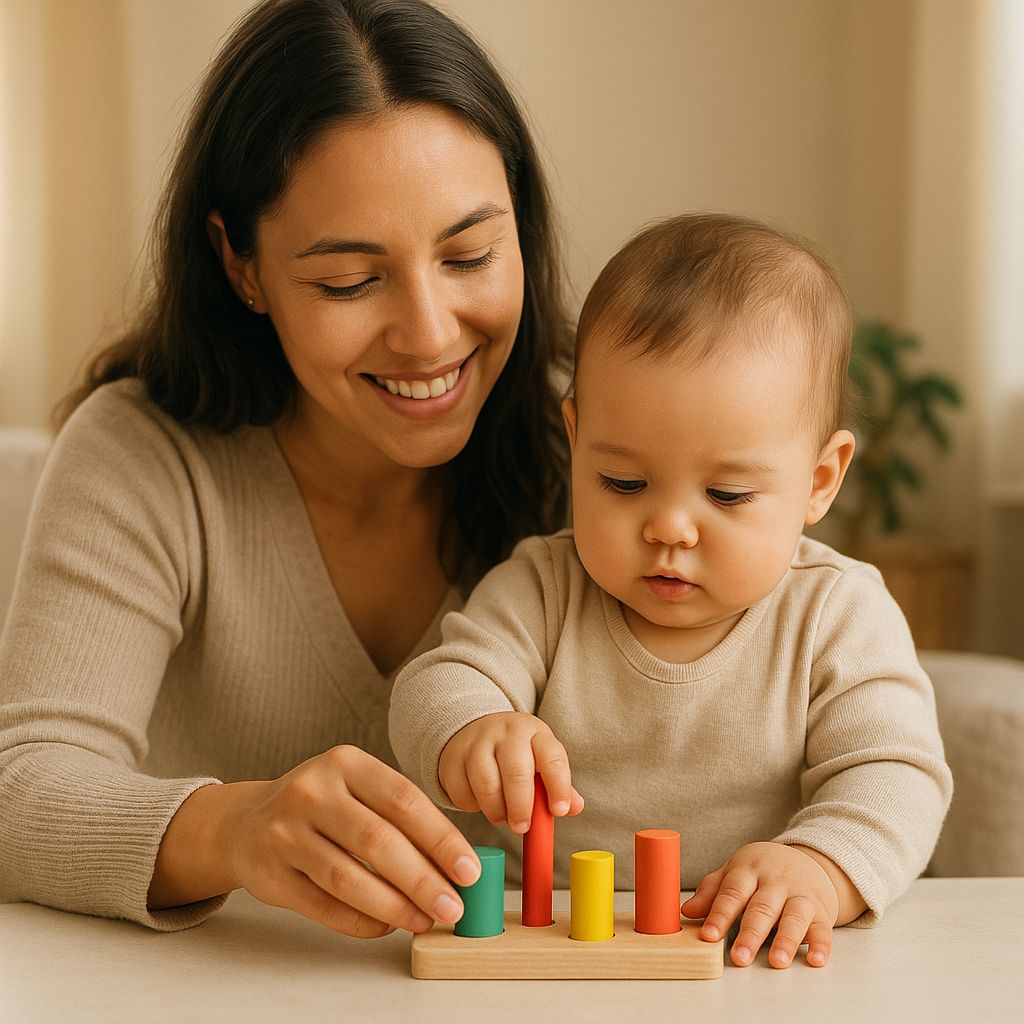

Fine Motor Skill Activities for Infants: Fun Ways to Encourage Tiny Hands
Watching your baby discover their world is one of the greatest joys of parenting. Every little wiggle, grasp, and giggle is a sign that your infant is busy developing the foundational skills they’ll need for a lifetime. Among the most important of these are fine motor skills—the small, precise movements that allow us to do everything from buttoning a shirt to coloring a masterpiece.
What Are Fine Motor Skills?
Fine motor skills involve the coordination of small muscles, particularly in the hands and fingers, with the eyes. For infants, this means learning how to grasp, pinch, poke, and manipulate objects. These skills don’t just appear overnight; they’re built through playful, repetitive activities that encourage curiosity and practice.
Why Focus on Fine Motor Skill Activities for Infants?
Encouraging fine motor development isn’t just about helping your baby pick up Cheerios (though that’s a big milestone!). It’s about:
- Building hand-eye coordination
- Strengthening finger and hand muscles
- Boosting problem-solving and cognitive abilities
- Laying the groundwork for future skills like feeding, dressing, and writing
The best part? You don’t need fancy toys or expensive equipment. The best fine motor skill activities for infants are simple, safe, and woven right into your everyday routine.
When Do Fine Motor Skills Develop?
Fine motor skills begin developing from birth. Here’s a quick look at what you might expect:
- 0–3 months: Reflexive grasping, opening and closing hands, batting at objects
- 3–6 months: Reaching for toys, swiping, bringing hands together, starting to hold objects
- 6–9 months: Passing objects between hands, raking objects, banging toys together
- 9–12 months: Pincer grasp (using thumb and forefinger), poking, pointing, picking up small objects
Remember, every baby develops at their own pace. The goal is to offer opportunities and encouragement, not to rush the process.
Easy Fine Motor Skill Activities for Infants
Ready to have some fun? Here are expert-recommended, baby-safe activities that support fine motor development. Always supervise your baby and ensure all materials are age-appropriate and safe.
1. Tummy Time with Reaching Toys
Place a few colorful, lightweight toys just out of your baby’s reach during tummy time. Encourage them to stretch, reach, and bat at the toys. This simple activity builds arm, hand, and core strength!
2. Grasping and Squeezing Soft Objects
Offer your infant a variety of soft objects—think crinkly fabric books, soft rattles, or baby-safe sponges. Let them explore squeezing, mouthing, and feeling different textures. Squeezing strengthens hand muscles and introduces new sensations.
3. Ring Stacking (with Big Rings)
Large stacking rings are a classic for a reason. Even before your baby can stack, they’ll enjoy grasping and mouthing the rings. As they grow, encourage them to try placing rings on the pole, which requires coordination and control.
4. Transfer Play
Give your baby two soft, baby-safe toys—one in each hand. Show them how to pass a toy from one hand to the other. This activity helps with bilateral coordination and strengthens both sides of the body.
5. Sensory Bags
Fill a sturdy, sealed plastic bag with items like hair gel and a few large, safe objects (think big buttons or soft beads). Tape the edges shut and let your baby squish, poke, and move the objects inside for a safe sensory workout.
6. Puppet Play
Use finger puppets or soft socks to create playful characters. Encourage your infant to reach for the puppet, bat at it, or try to grab it. This builds tracking skills and hand-eye coordination.
7. Treasure Basket Exploration
Gather a few safe household items—a silicone spatula, wooden spoon, soft washcloth, and a large ring. Place them in a basket and let your baby explore. Picking up, banging, and mouthing each object offers a mini workout for tiny hands.
8. Highchair Play with Sticky Notes
Stick a few brightly colored sticky notes to your baby’s highchair tray. Show them how to peel them off and crumple them up. This simple game is surprisingly engaging and great for finger strength.
9. Water Play
During bath time, offer sponges, cups, or floating toys. Encourage your baby to squeeze, scoop, and splash. Not only is this fun, but it’s also fantastic for building grip and control.
10. Finger Foods for Older Infants
Once your pediatrician gives the go-ahead for solids, offer small, soft finger foods like cooked peas or diced bananas. Picking up pieces uses the pincer grasp and refines coordination.
DIY Fine Motor Skill Activities (No Special Toys Needed!)
- Fabric Pull: Fill an empty tissue box with colorful fabric scraps. Show your baby how to pull them out—over and over again!
- Egg Carton Grab: Place large pom-poms or soft balls into the sections of an egg carton. Encourage your baby to pick them out and drop them back in.
- Rolling Pin Tummy Time: Place your baby tummy-down over your legs or a soft pillow. Offer a rolling pin or large bottle in front for them to reach and spin.
- Sticky Ball Play: Gently wrap a ball in painter’s tape (sticky side out) and let your baby explore the sensation and practice gripping.
How to Support Your Baby’s Fine Motor Development
- Follow Your Baby’s Lead: Let your baby explore at their own pace. Some babies love to grab, others prefer to watch first.
- Offer a Variety of Textures and Shapes: Soft, squishy, smooth, and bumpy objects all offer different challenges and rewards.
- Make Activities Part of Your Routine: Incorporate play during diaper changes, bath time, or while waiting for meals.
- Celebrate Small Victories: Every grasp, poke, and transfer is a big achievement. Cheer them on to build confidence!
- Always Supervise: Stay close to ensure safety, especially as your baby explores new objects with their mouth.
Common Questions About Fine Motor Skill Development in Infants
- Why are fine motor skills important for infants?
- Fine motor skills help infants develop the strength and coordination needed for tasks like grasping, feeding, and eventually writing. Early activities support healthy brain and muscle development.
- When do infants start developing fine motor skills?
- Infants begin developing fine motor skills from birth, with reflexive movements evolving into more purposeful actions like reaching, grasping, and transferring objects by 6–12 months.
- What household items are safe for infant fine motor play?
- Soft cloths, large rings, silicone kitchen tools, and empty containers (washed and free from sharp edges) are great options. Always supervise to avoid choking hazards.
- How can I make fine motor activities part of our daily routine?
- Incorporate activities during diaper changes (like finger games), mealtime (letting baby hold a spoon), or bath time (squeezing sponges) for effortless practice.
- What signs show my baby is progressing with fine motor skills?
- Watch for actions like opening and closing hands, transferring toys between hands, picking up small objects, and poking with a finger—these are all signs of improvement.
When to Seek Extra Help
Every baby is unique, and there’s a wide range of “normal.” If you notice your infant isn’t attempting to grasp objects by 6 months, uses one hand much more than the other, or seems uninterested in exploring with their hands, mention your concerns to your pediatrician. Early intervention can make a big difference if help is needed.
Celebrate the Little Things!
Fine motor skill activities for infants aren’t just about development—they’re about bonding, exploring, and sharing joyful moments. So get down on the floor, follow your baby’s lead, and savor these tiny milestones. Before you know it, those little hands will be waving, clapping, and blowing kisses your way!