
Fine Motor Skill Activities for Babies: Nurturing Developmental Milestones
As parents and caregivers, we marvel at every tiny movement our babies make. From the first time they grasp a finger to their attempts at picking up a crumb, these seemingly simple actions are crucial indicators of fine motor skill development. Fine motor skills, which involve the coordination of small muscles—particularly in the hands and fingers—are foundational for a child’s independence, learning, and overall growth. In this comprehensive guide, we’ll explore expert-approved fine motor skill activities for babies, why they matter, and how you can support your child’s journey through fun, everyday play.
What Are Fine Motor Skills and Why Are They Important?
Fine motor skills refer to the precise movements of the hands, fingers, and eyes that enable tasks such as grasping, pinching, and manipulating objects. For babies, these skills are essential as they pave the way for self-feeding, dressing, drawing, and even writing later in life. Early development of fine motor skills also supports hand-eye coordination, sensory processing, and cognitive growth.
Key Milestones in Baby Fine Motor Development
- 0–3 months: Reflexive grasp and opening fists
- 3–6 months: Reaching, batting at toys, transferring objects between hands
- 6–9 months: Raking objects, banging items together, beginning of pincer grasp
- 9–12 months: Refined pincer grasp, pointing, poking, and self-feeding attempts
How to Encourage Fine Motor Skill Development
Babies learn best through play and exploration. By integrating simple, age-appropriate activities into your daily routine, you can help your child strengthen their fine motor abilities. Let’s break down effective activities by age stage and developmental readiness.
Fine Motor Activities for Newborns (0–3 Months)
- Tummy Time: Place your baby on their tummy for short periods. This strengthens core and shoulder muscles, laying the groundwork for hand control.
- Grasping Your Finger: Offer your finger for your baby to hold. This reflexive grasp helps them start to use their hands intentionally.
- Soft Rattles: Gently place a lightweight, soft rattle in your baby’s hand to stimulate grasping reflexes and sensory awareness.
Fine Motor Activities for Infants (3–6 Months)
- Reaching for Toys: Hold or hang colorful toys within arm’s reach to encourage reaching, swatting, and batting (great for hand-eye coordination).
- Crinkle Books: Offer fabric or crinkle books for your baby to squeeze and explore textures.
- Wrist and Foot Rattles: Secure soft rattles to wrists or ankles to promote awareness and purposeful movement.
Fine Motor Activities for Older Babies (6–12 Months)
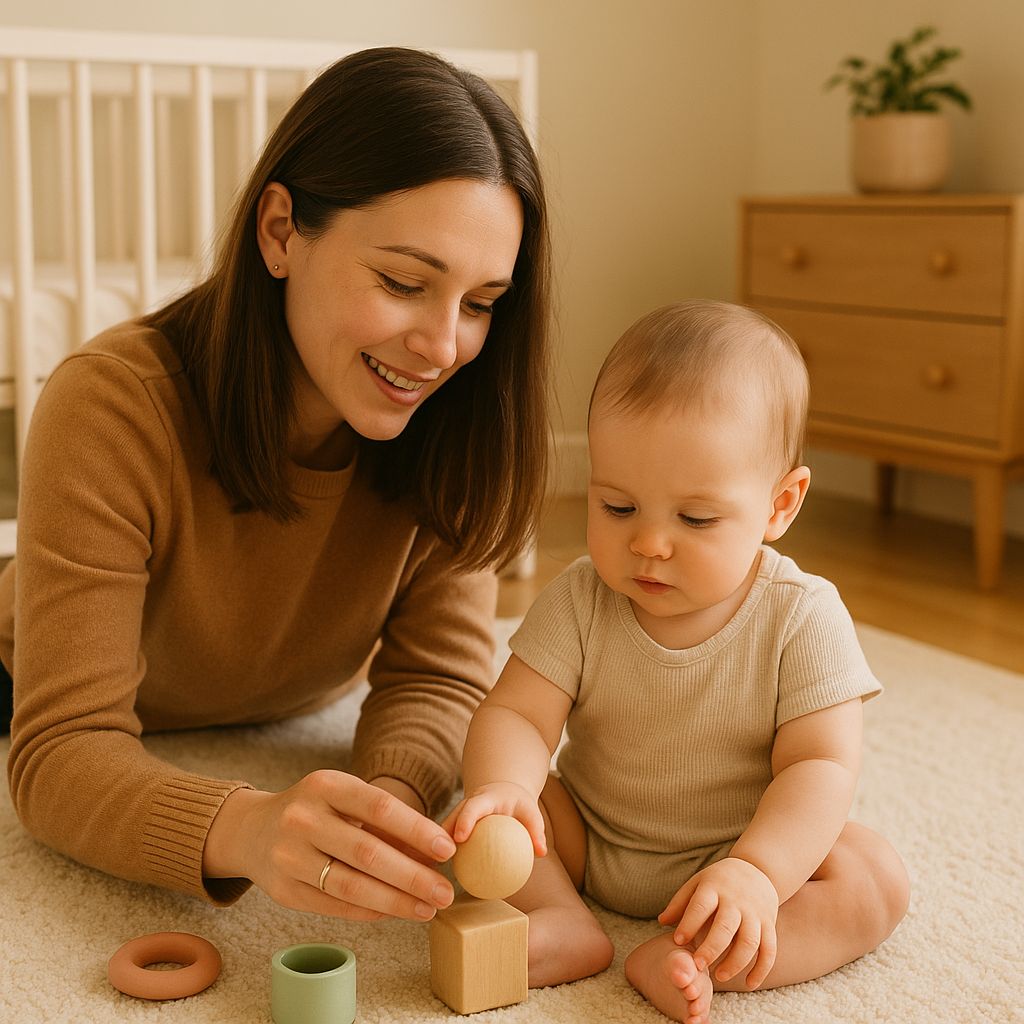
- Stacking Cups: Show your baby how to stack and nest cups. This activity boosts grasp, release, and coordination.
- Finger Foods: Encourage self-feeding with small, safe foods (like puffs or peas) to develop the pincer grasp (thumb and forefinger pinch).
- Treasure Baskets: Fill a safe basket with household items of various textures (wooden spoons, fabric scraps, silicone utensils) for exploration.
- Simple Puzzles: Large, chunky puzzles help babies practice grasping, placing, and manipulating objects.
- Posting Games: Give your baby a container and a set of blocks or balls to drop in and take out repeatedly.
- Banging and Clapping: Demonstrate banging two objects together or clapping hands—babies love to imitate and strengthen their grip.
Sensory Play for Fine Motor Development
Sensory play is a powerful tool for fostering fine motor skills. By engaging different senses, babies learn to coordinate their movements and process new information.
- Water Play: Let your baby splash and pour water in a shallow container with your supervision.
- Texture Boards: Create a board with soft, rough, bumpy, and smooth materials for your baby to feel and explore.
- Edible Finger Paints: Use yogurt or pureed foods as safe paints for babies to smear, pat, and swirl with their fingers.
DIY Fine Motor Toys and Activities
Homemade activities can be just as effective as store-bought toys. Try these easy ideas to promote fine motor skills while stimulating creativity:
- Homemade Shakers: Fill a small, sealed container with dry pasta or rice for your baby to shake and roll.
- Fabric Scarves: Offer lightweight scarves for your baby to grab, tug, and wave.
- Egg Carton Sorters: Use a clean egg carton and large pom-poms or blocks for sorting and grasping practice (supervise closely).
- Simple Posting Box: Cut holes in a box just big enough for blocks to fit through—babies love posting and retrieving.
Incorporating Fine Motor Activities into Daily Routines
Fine motor skill development doesn’t require special equipment or extra time. Many opportunities arise naturally throughout your day:
- Diaper Changes: Offer a small toy to hold or finger to grasp during changes.
- Bath Time: Give bath-safe cups or sponges to squeeze and pour.
- Feeding Time: Let your baby try to hold their spoon or finger feed when ready.
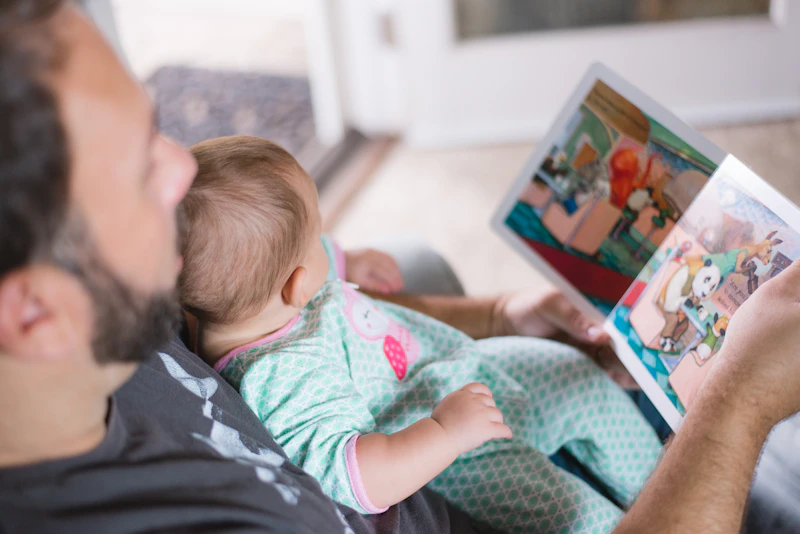
- Story Time: Encourage your baby to turn the pages of a board book.
Tips for Supporting Your Baby’s Fine Motor Skill Development
- Follow Your Baby’s Lead: Offer choices and let your baby decide which objects to explore.
- Model Movements: Demonstrate actions like stacking, clapping, or poking, and watch your baby imitate.
- Provide Variety: Rotate toys and materials to keep your baby engaged and challenged.
- Ensure Safety: Choose age-appropriate, non-toxic, and large-enough toys to prevent choking.
- Celebrate Small Wins: Praise your baby’s efforts, not just achievements. Encouragement builds confidence.
When to Seek Professional Support
All babies develop at their own pace, but consistent delays in reaching fine motor milestones may warrant an evaluation by your pediatrician or a pediatric occupational therapist. Red flags include:
- Not bringing hands together by 4 months
- Not reaching for or grasping objects by 6 months
- Difficulty holding or releasing objects by 9 months
- Lack of interest in exploring hands or objects
Early intervention can make a significant difference in supporting your child’s development.
Frequently Asked Questions
- What are fine motor skills in babies?
- Fine motor skills in babies refer to the small muscle movements in their hands, fingers, wrists, and eyes. These skills enable babies to explore, grasp objects, feed themselves, and eventually write or button clothes. Early development of fine motor skills lays the foundation for many daily tasks.
- When should babies start developing fine motor skills?
- Babies begin developing fine motor skills from birth, with reflexive movements like grasping a caregiver’s finger. Skills progress rapidly in the first year, with intentional reaching, grasping, and releasing objects typically emerging between 3–9 months.
- How can I encourage fine motor development at home?
- Encourage fine motor development by offering age-appropriate toys and activities, such as rattles, soft blocks, and finger foods. Engage in interactive play, like stacking blocks or finger painting. Allow your baby ample floor time and the freedom to explore safely.
- Are fine motor skill delays common in babies?
- Some variation in fine motor development is normal. However, if your baby isn’t reaching key milestones (e.g., bringing hands together, picking up small objects) or you have concerns, consult your pediatrician or a pediatric occupational therapist.
- What’s the difference between fine and gross motor skills?
- Fine motor skills involve small muscle groups (hands, fingers, eyes), while gross motor skills use larger muscles (legs, arms, torso) for actions like crawling and walking. Both are vital for development and often progress together.
Conclusion
Fine motor skill development is a fascinating and vital part of your baby’s early years. By integrating simple, playful activities into your daily routine, you give your child the best start for lifelong learning, independence, and success. Remember, every baby develops at their own pace—your love, attention, and encouragement are the most important tools you can provide. For more expert tips and activity ideas, explore our resources at Growing Giggles.