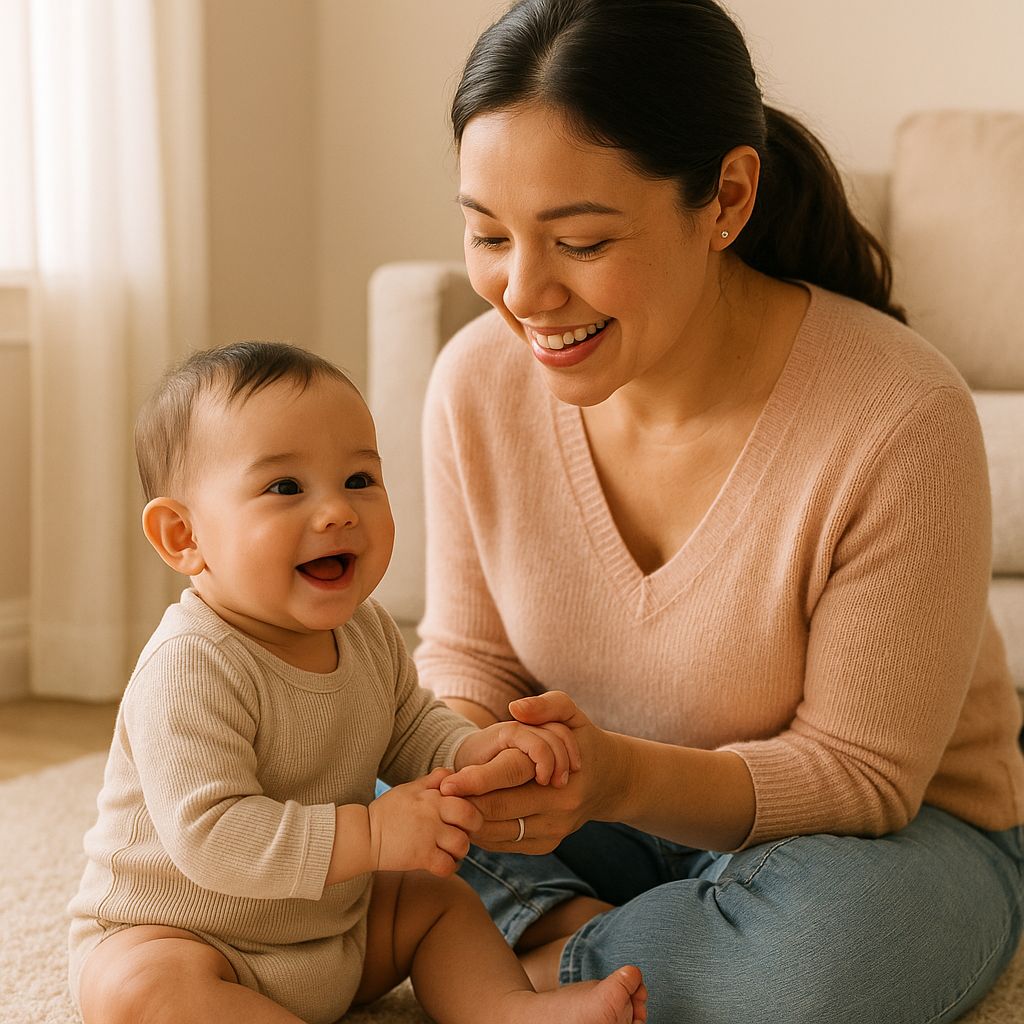

Encouraging Positive Social Behavior in Babies: A Guide for Parents
Social development is a critical aspect of a baby’s growth, laying the foundation for emotional intelligence, friendships, and overall well-being. While much focus is often placed on physical and cognitive milestones, nurturing positive social behavior from infancy is equally essential. Parents play a pivotal role in this journey, shaping their child's interactions and responses through daily routines, modeling, and encouragement. In this comprehensive guide, we’ll explore expert strategies, developmental milestones, and practical tips to foster positive social behavior in babies.
Understanding Social Development in Babies
Social behavior in babies refers to how infants interact with caregivers, family members, and their environment. These behaviors encompass a range of skills, including eye contact, smiling, babbling, and responding to emotions. Social development begins at birth and progresses rapidly during the first year of life.
- 0-3 Months: Babies start to recognize faces, respond to voices, and smile in response to interaction.
- 4-6 Months: Social smiles become frequent; babies begin to show excitement and interest in familiar people.
- 7-12 Months: Babies may imitate gestures, show preferences for caregivers, and express a range of emotions.
These milestones are influenced by both genetic factors and the quality of social experiences provided by caregivers. Responsive parenting, consistent routines, and positive modeling are key to nurturing healthy social development.
The Importance of Positive Social Behavior
Positive social behavior in infancy sets the stage for lifelong skills such as empathy, cooperation, and emotional regulation. Babies who experience loving, responsive interactions tend to develop secure attachments, which are linked to better social outcomes in childhood and beyond. Early social skills also help babies navigate new environments, manage stress, and build trusting relationships.
Strategies for Encouraging Positive Social Behavior
1. Responsive Communication
Babies thrive when caregivers respond to their cues. Whether it’s a smile, a cry, or a babble, timely and affectionate responses teach babies that their feelings are understood and valued. Here’s how to promote responsive communication:
- Maintain eye contact during interactions.
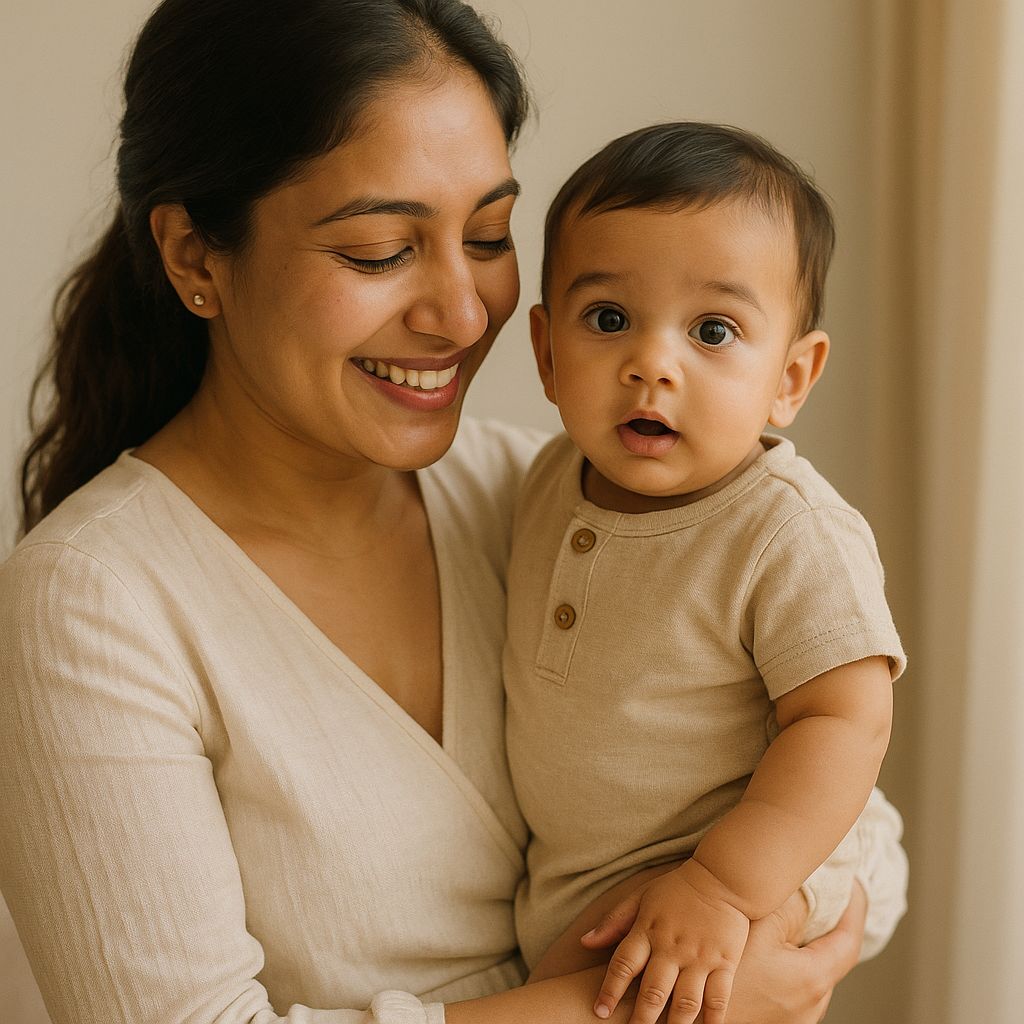
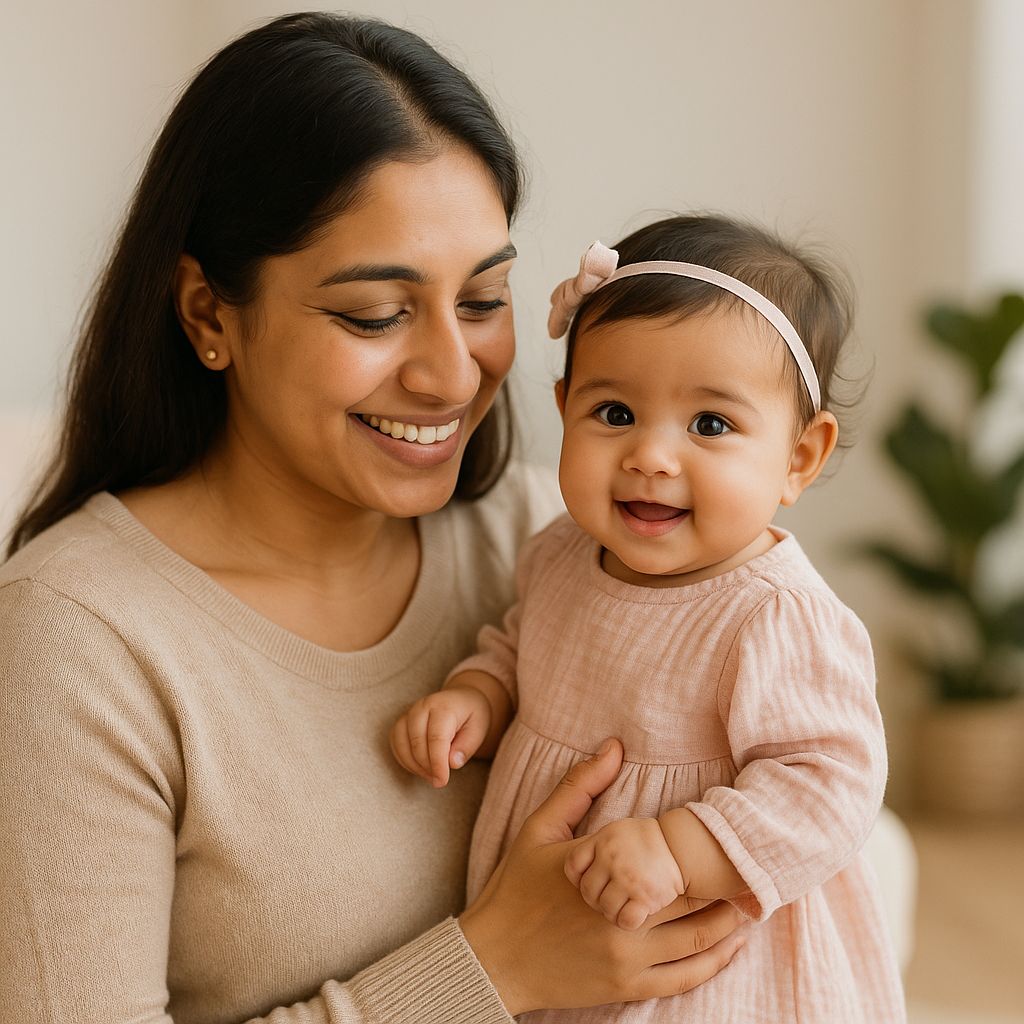
- Smile and use expressive facial gestures to mirror your baby’s emotions.
- Speak in gentle, soothing tones to foster a sense of safety.
- Respond to cries with comfort and attention, reinforcing trust.
2. Modeling Positive Behavior
Babies learn by observing the actions and reactions of caregivers. Modeling kindness, patience, and empathy teaches infants how to behave in social situations. Simple actions can have a profound impact:
- Say "please" and "thank you" in daily routines.
- Show affection by hugging and cuddling.
- Demonstrate sharing by offering toys or snacks.
- Manage your own emotions calmly to teach self-regulation.
3. Encouraging Play and Interaction
Play is the cornerstone of social learning for babies. Through play, infants learn to communicate, take turns, and understand social cues. Consider these ideas:
- Interactive games like peek-a-boo or pat-a-cake foster connection.
- Provide safe toys that promote sharing and cooperative play.
- Arrange playdates with other babies, under supervision, to promote socialization.
- Introduce music and movement activities that encourage group participation.
4. Creating a Supportive Environment
A nurturing environment supports social growth by offering stability and encouragement. Here’s how to create an enriching space:
- Keep routines consistent to help babies feel secure.
- Minimize distractions during social interactions.
- Allow for exploration in safe, supervised settings.
- Encourage gentle touch and positive physical contact.
5. Fostering Empathy and Emotion Recognition
Even infants can begin to understand emotions by observing and experiencing them. To nurture empathy:
- Label emotions as you interact: “You’re smiling! You look happy.”
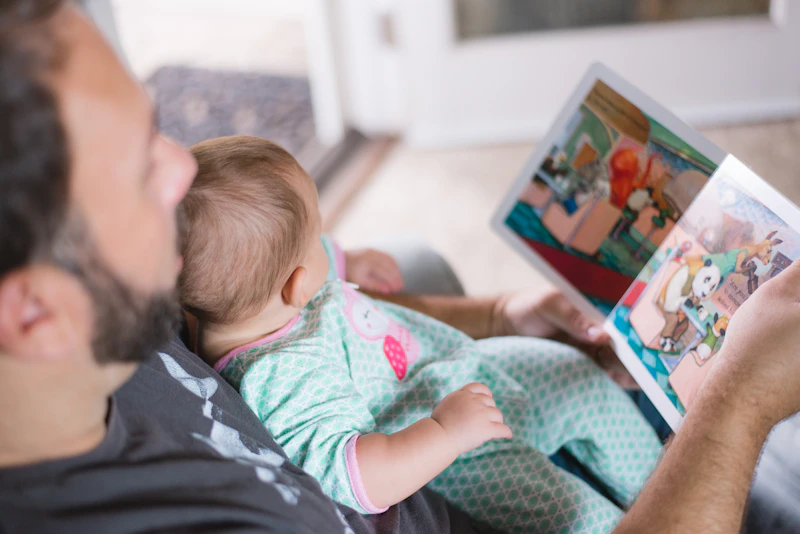
- Read simple stories that feature feelings and relationships.
- Validate your baby’s emotions with supportive words and gestures.
Understanding Challenges in Social Development
Some babies may face challenges in developing positive social behavior, including:
- Limited eye contact
- Difficulty responding to voices
- Lack of interest in social play
If you notice persistent signs of social delay, it’s important to consult with your pediatrician or a child development specialist. Early intervention can help address underlying issues and support healthy growth.
Milestones: What to Expect at Each Stage
Understanding typical social milestones helps parents support their baby’s development:
| Age | Social Milestones |
|---|---|
| 0-3 Months | Smiling in response to voices, recognizing caregivers’ faces, making eye contact |
| 4-6 Months | Social laughing, babbling, excitement when seeing familiar people |
| 7-9 Months | Imitating gestures, responding to names, showing preferences for people |
| 10-12 Months | Expressing emotions, engaging in simple games, seeking comfort from caregivers |
While every baby develops at their own pace, these milestones can guide parents in fostering supportive environments.
Practical Tips for Parents
- Engage Daily: Spend quality time interacting with your baby through talk, play, and touch.
- Observe and Respond: Notice your baby’s cues and respond with warmth and encouragement.
- Be Patient: Social skills take time; offer consistent support without pressure.
- Encourage Group Activities: Introduce your baby to other children and adults in safe settings.
- Model Empathy: Show understanding for your baby’s emotions and help them recognize feelings.
- Seek Support: If concerned about social development, reach out to professionals for guidance.
Common Questions About Positive Social Behavior in Babies
- At what age do babies start developing social behaviors?
- Babies begin developing social behaviors from birth. Simple gestures like smiling and eye contact emerge in the first few months, with more complex skills like sharing and responding to emotions developing through the first year.
- How can parents encourage positive social behavior in infants?
- Parents can encourage positive social behavior by engaging in responsive communication, modeling kindness, offering opportunities for social interaction, and providing consistent routines that nurture trust and empathy.
- What are signs of healthy social development in babies?
- Healthy social development includes frequent eye contact, smiling, babbling, responding to voices, showing interest in others, and expressing emotions appropriately.
- Does playtime affect social behavior in babies?
- Yes, playtime is vital for social development. Through play, babies learn to communicate, cooperate, and understand social cues, laying the foundation for positive relationships.
- What should parents do if a baby shows signs of social delay?
- If a baby shows signs of social delay, such as limited eye contact or lack of interest in others, parents should consult with a pediatrician or child development specialist for guidance and support.
Conclusion: Creating a Foundation for Lifelong Social Success
Encouraging positive social behavior in babies is a rewarding journey that requires patience, consistency, and love. By responding to cues, modeling kindness, and providing opportunities for play and interaction, parents lay the groundwork for emotional intelligence, empathy, and strong relationships. Remember, every baby develops at their own pace, so celebrate small victories and seek support when needed. With thoughtful guidance and nurturing, you can help your baby grow into a socially confident and compassionate individual.
For more expert parenting advice and developmental tips, explore our resources at Growing Giggles.