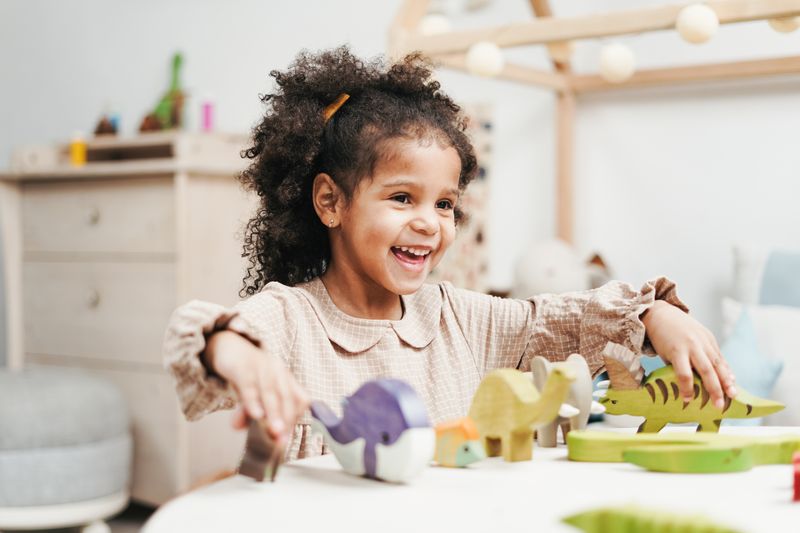
Encouraging Creative Thinking in Children: Strategies for Nurturing Young Minds
In today’s rapidly changing world, creativity is more than just a buzzword—it’s a fundamental skill that shapes how children learn, grow, and adapt. Creative thinking enables kids to approach problems with flexibility, generate innovative solutions, and express themselves in unique ways. As parents and caregivers, fostering creative thinking in children is one of the most significant contributions we can make to their development and lifelong success.
Why Creative Thinking Matters for Children
Creative thinking is at the heart of cognitive, emotional, and social development. It empowers children to:
- Problem-solve in novel situations
- Communicate ideas effectively
- Adapt to new challenges
- Build confidence and resilience
- Collaborate with peers
Research has shown that children who engage in creative activities demonstrate improved academic performance, stronger social skills, and greater emotional intelligence. Creativity isn’t just about making art—it’s about thinking differently, imagining possibilities, and exploring the unknown.
The Role of Parents in Nurturing Creativity
Parents are the primary architects of their child’s environment. The ways in which you interact, encourage, and support your child lay the foundation for creative growth. Here’s how you can be an effective champion of creative thinking:
1. Foster a Supportive Environment
Children thrive creatively when they feel safe, valued, and free to express themselves. Create an atmosphere where curiosity and experimentation are celebrated rather than criticized. Encourage questions and the exploration of new ideas.
2. Provide Diverse Experiences
Expose your child to a variety of activities, cultures, and viewpoints. Whether it’s visiting museums, attending cultural festivals, or exploring nature, diverse experiences broaden their understanding and inspire imaginative thinking.
3. Embrace Mistakes as Learning Opportunities
Creativity involves trial and error. Teach your child that mistakes are not failures but stepping stones to new discoveries. Support their efforts and praise their persistence rather than just the outcome.
Practical Strategies for Encouraging Creative Thinking
Imaginative Play
Imaginative play is the cornerstone of creative development. It allows children to use their minds to create scenarios, characters, and stories. Encourage activities such as:
- Role-playing games (pretend shopkeeper, astronaut, chef)
- Building with blocks, LEGO, or other construction toys
- Dress-up and puppet shows
- Storytelling and improvisation
These activities stimulate divergent thinking, enabling kids to generate multiple ideas and solutions.
Open-Ended Questions
Engage your child with open-ended questions that allow for creative responses, such as:
- "What do you think would happen if animals could talk?"
- "How would you solve this problem?"
- "Can you think of a different way to use this toy?"
Such questions encourage children to think beyond conventional boundaries and express original ideas.
Creative Activities at Home
- Art and Craft: Provide access to drawing materials, clay, paint, and recyclable items. Let your child create freely without rigid instructions.
- Music and Dance: Encourage experimentation with musical instruments, singing, and movement. Music stimulates both the logical and creative sides of the brain.
- Science Experiments: Simple projects like making a volcano with baking soda and vinegar or observing plant growth foster curiosity and creative problem-solving.
- Cooking: Involve your child in meal preparation, allowing them to invent recipes or decorate dishes.
Reading and Storytelling
Reading exposes children to different worlds, ideas, and perspectives. Choose books that inspire imagination, and allow your child to create their own stories. Storytelling sessions, either verbal or written, are powerful tools for creative expression.
Unstructured Time
While extracurricular activities and structured learning are valuable, unstructured time is equally essential. Allow your child periods of “boredom”—these are often the moments when creativity flourishes as they find innovative ways to entertain themselves.
Encouragement and Positive Reinforcement
Children need to feel that their creative efforts are appreciated. Offer specific praise for creative actions (“I love how you used different colors to make that picture!”) and celebrate their unique ideas.
Balancing Structure and Freedom
Children benefit from a balance of structured guidance and freedom to explore. Set boundaries where necessary but avoid micromanaging creative activities. Encourage autonomy by letting your child make choices about projects and play. This fosters ownership and intrinsic motivation.
Limit Screen Time
While educational apps and games can be beneficial, excessive screen time can stifle creativity. Encourage hands-on, real-world experiences and limit passive entertainment.
The Importance of Diverse Perspectives
Expose your child to different cultures, languages, and ways of thinking. This not only broadens their worldview but also enhances their ability to think creatively by integrating diverse ideas.
Collaborative Creativity
Creativity is often collaborative. Encourage group activities where children can brainstorm, share ideas, and solve problems together. This teaches negotiation, empathy, and teamwork—essential skills for creative thinkers.
Creative Thinking and Academic Success
Children who develop creative thinking skills perform better academically. Creativity fosters curiosity, which leads to deeper learning. It’s integral to STEM (science, technology, engineering, mathematics) education, language arts, and social studies.
Critical Thinking and Problem-Solving
Creative thinking goes hand-in-hand with critical thinking. Encourage your child to question assumptions, evaluate evidence, and consider alternative solutions. Provide puzzles, brainteasers, and real-world challenges that require analytical and imaginative skills.
The Lifelong Impact of Creative Thinking
Creative thinking prepares children for the complexities of adult life. It enhances adaptability, resilience, and the ability to innovate. These skills are highly valued in the modern workforce and essential for personal fulfillment.
Common Challenges and How to Overcome Them
- Fear of Judgement: Children may hesitate to express creative ideas if they fear criticism. Create a supportive environment where all ideas are welcome.
- Over-scheduling: Too many structured activities can limit creative exploration. Balance schedules to allow unstructured play.
- Comparisons: Avoid comparing your child’s creativity to others. Celebrate their unique approach and strengths.
Tips for Teachers and Caregivers
- Integrate creative projects into the curriculum
- Encourage student-led learning and exploration
- Use interdisciplinary approaches (e.g., combining art with science)
- Foster collaboration and group problem-solving
Conclusion: Building a Foundation for Lifelong Creativity
Encouraging creative thinking in children is a journey, not a destination. It requires patience, support, and a willingness to embrace uncertainty. By fostering an environment that values imagination, exploration, and innovation, parents and caregivers can equip children with the tools they need to thrive in an ever-evolving world.
Remember, creativity is not reserved for artists or inventors—it is a universal skill that empowers every child to shape their own future. With intentional strategies and loving guidance, you can nurture creative thinking and unlock your child’s limitless potential.