How to Encourage Questioning and Curiosity in Kids: Nurturing Young Minds
Have you ever noticed how preschoolers approach the world with wide-eyed wonder? They ask endless questions, poke at bugs, and turn every object into an adventure. This natural curiosity is more than adorable—it's the bedrock of learning. As parents and caregivers, fostering a child’s questioning and curiosity can unlock a lifetime of discovery and confidence.
Why Curiosity Matters for Preschoolers
Curiosity is the spark that drives learning. When children are curious, they’re motivated to explore, experiment, and make sense of the world around them. For preschoolers, questioning helps:
- Develop cognitive skills
- Build language and communication abilities
- Strengthen social and emotional awareness
- Increase creative and critical thinking
Encouraging curiosity isn’t just about answering questions—it’s about inspiring children to ask them and seek their own answers.
Creating a Safe Space for Questions
Young children need to feel secure and supported to express their curiosity. Here’s how you can create a questioning-friendly environment:
- Listen with patience: Take time to hear your child’s questions, even if they seem repetitive or offbeat.
- Show enthusiasm: Respond with excitement and interest to their inquiries.
- Never dismiss: Avoid brushing off questions as silly or annoying. Each question is a window into your child’s mind.
- Encourage exploration: Let kids investigate, experiment, and make mistakes.
When children know their ideas are valued, their confidence grows alongside their curiosity.
Modeling Curious Behavior
Children learn by example. If you demonstrate curiosity and a willingness to ask questions yourself, your child will be more likely to do the same. Try these strategies:
- Ask questions aloud: “I wonder why the leaves change color. What do you think?”
- Show genuine interest: Investigate new topics together, whether it’s how rainbows form or why cats purr.
- Admit when you don’t know: It’s okay to say, “I’m not sure. Let’s find out together!”
Curiosity is contagious. When you show excitement about learning, your child will catch it too.
Answering Questions: How Much Is Enough?
Preschoolers often ask a lot of questions—sometimes about the same topic, sometimes wildly unrelated. While it’s tempting to give quick answers, consider turning their questions into opportunities for deeper thinking:
- Ask them back: “What do you think happens when the sun goes down?”
- Explore together: Use books, videos, or experiments to investigate answers.
- Encourage further questions: “That’s a great question! What else do you wonder about clouds?”
Remember, the goal isn’t just to provide facts, but to nurture a love of inquiry.
Open-Ended Activities to Stimulate Curiosity
Children are naturally curious, but their environment can either fuel or dampen that curiosity. Open-ended activities are ideal for preschoolers because they invite questioning and exploration. Here are some favorites:
1. Nature Walks
- Bring magnifying glasses or bug jars.
- Ask questions like, “What do you notice about the trees?”
- Collect leaves or rocks and discuss their differences.
2. Art and Craft Projects
- Provide various materials and let children create freely.
- Encourage them to explain their choices: “Why did you use blue for the sky?”
3. Simple Science Experiments
- Try mixing colors, making volcanoes, or growing seeds.
- Ask, “What do you think will happen next?”
- Let them record their observations with drawings or photos.
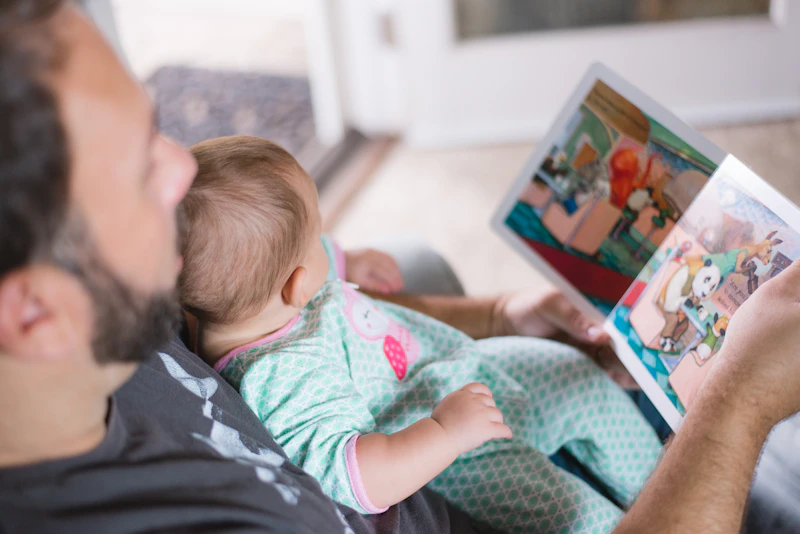
4. Story Time and Books
- Choose books that spark imagination.
- Pause and ask, “Why do you think the character did that?”
- Encourage children to invent their own endings.
Encourage Play-Based Learning
Play is a child’s most powerful tool for discovery. Through play, children experiment, ask questions, and make connections. As you encourage questioning and curiosity, keep these play-based tips in mind:
- Offer variety: Provide blocks, puzzles, pretend play items, and sensory materials.
- Let children lead: Follow their interests and guide their play with questions and comments.
- Celebrate creativity: Praise effort and imagination, not just correct answers.
Responding to 'Why' and 'How' Questions
“Why is the sky blue?” “How does a car work?” These questions can stump even seasoned parents! Here’s how to handle tricky inquiries:
- Keep answers simple: Use age-appropriate language.
- Use resources: Look up answers together in books or online.
- Encourage thinking: Ask, “What do you think?” or “How could we find out?”
- Share wonder: It’s okay to admit you don’t know everything—model curiosity by saying, “Let’s learn together!”
Handling 'Wrong' Assumptions
Sometimes, children ask questions based on incorrect beliefs (“Can cats fly?”). Instead of correcting them outright, guide their thinking:
- Ask for their reasoning: “What made you think that?”
- Explore together: “Let’s watch how cats move and see what happens.”
- Encourage discovery: Allow them to test ideas through play or observation.
This approach helps children build critical thinking skills and keeps their curiosity alive.
Connecting Curiosity to Everyday Life
Curiosity isn’t limited to science experiments—it’s everywhere! Encourage your preschooler to wonder about:
- Food: How is bread made? Why do apples turn brown?
- Technology: How does a phone work? What makes the TV turn on?
- People: Why do we shake hands? What languages do people speak?
Everyday moments are filled with opportunities to question and discover.
Building Confidence Through Questioning
When you encourage your child’s questions, you’re also building their self-esteem. They learn that their ideas matter and that it’s okay to explore the unknown. This confidence will serve them well throughout school and life.
- Validate their curiosity: “That’s an interesting question!”
- Praise effort: “I love how you’re thinking about this!”
- Encourage persistence: “Let’s keep looking for answers together.”
When Curiosity Gets Messy
Curiosity sometimes leads to sticky situations—spilled paint, muddy shoes, or kitchen disasters. While it’s tempting to rein in messy exploration, remember that these moments teach valuable lessons.
- Set boundaries: Provide safe spaces for mess-making.
- Join in: Get hands-on and share the fun.
- Teach cleanup: Show that exploration and responsibility go hand-in-hand.
Balancing Structure and Freedom
It’s important to balance guidance with freedom. Provide routines and clear expectations, but allow room for spontaneous questioning and discovery. This balance helps children feel secure while nurturing their innate drive to explore.
Fostering Curiosity in a Digital World
Technology offers endless information, but it can also overwhelm or distract. Use screens thoughtfully to encourage curiosity:
- Choose educational apps and videos: Look for resources that inspire questions and creativity.
- Co-view and discuss: Watch together and talk about what you learned.
- Limit passive consumption: Encourage active exploration, not just entertainment.
Supporting Different Personality Types
Not all children are equally outgoing or inquisitive. Quiet, observant kids may show curiosity in subtle ways. Watch for:
- Body language: Are they watching intently or exploring silently?
- Artistic expression: Drawing, building, or storytelling can reveal their questions.
- Gentle encouragement: Invite them to share their ideas without pressure.
Respect their pace and find ways to nurture their unique curiosity.
Partnering with Teachers and Caregivers
Curiosity thrives when home and preschool work together. Share your child’s interests with teachers and ask how you can support questioning at home. Encourage collaborative projects, science fairs, or book clubs that spark curiosity.
Key Takeaways for Parents
- Encourage curiosity by modeling inquisitiveness and celebrating questions.
- Provide open-ended activities and play-based learning opportunities.
- Respond thoughtfully to questions and gently guide 'wrong' assumptions.
- Support curiosity in everyday life, from meals to outdoor adventures.
- Build confidence by validating effort and persistence.
Conclusion: Raising Curious Kids
Preschoolers are natural explorers, and their questions are the seeds of lifelong learning. By creating a supportive environment, modeling curiosity, and encouraging play, you can help your child grow into a creative, confident thinker. Remember, every question is an opportunity—and the journey of discovery is just beginning!
Frequently Asked Questions
- Why is curiosity important for preschoolers?
- Curiosity drives exploration and learning, helping preschoolers develop cognitive, social, and emotional skills. It encourages creative thinking, problem-solving, and helps build a strong foundation for lifelong learning.
- How can I respond to my child’s endless questions?
- Instead of providing quick answers, engage with their questions by asking what they think or exploring answers together. This approach validates their curiosity and encourages deeper thinking.
- What activities help foster curiosity in young children?
- Open-ended play, nature exploration, art, science experiments, and reading together all stimulate curiosity. Allow children to ask questions and investigate topics that interest them.
- Should I correct my child if their question has a 'wrong' assumption?
- Gently guide them by discussing their assumption and exploring the topic together. Focus on encouraging exploration, rather than simply correcting, to keep their curiosity alive.