
Emotional Development in Early Childhood: Foundations, Milestones, and Strategies
Emotional development in early childhood is a cornerstone of lifelong well-being, social competence, and mental health. The ability to understand, express, and regulate emotions begins in infancy and evolves rapidly during the preschool years. As parents and caregivers, understanding these developmental stages and applying evidence-based strategies can profoundly influence a child's future relationships and resilience.
Understanding Emotional Development: The Foundations
Emotional development refers to the process by which children learn to recognize, express, and manage their feelings. It is intimately linked to social-emotional learning (SEL), which encompasses skills such as empathy, self-awareness, and interpersonal communication. Early childhood — from birth to age five — is a period of remarkable emotional growth fueled by brain development, family interactions, and environmental influences.
Attachment Theory: The Cornerstone of Early Emotional Growth
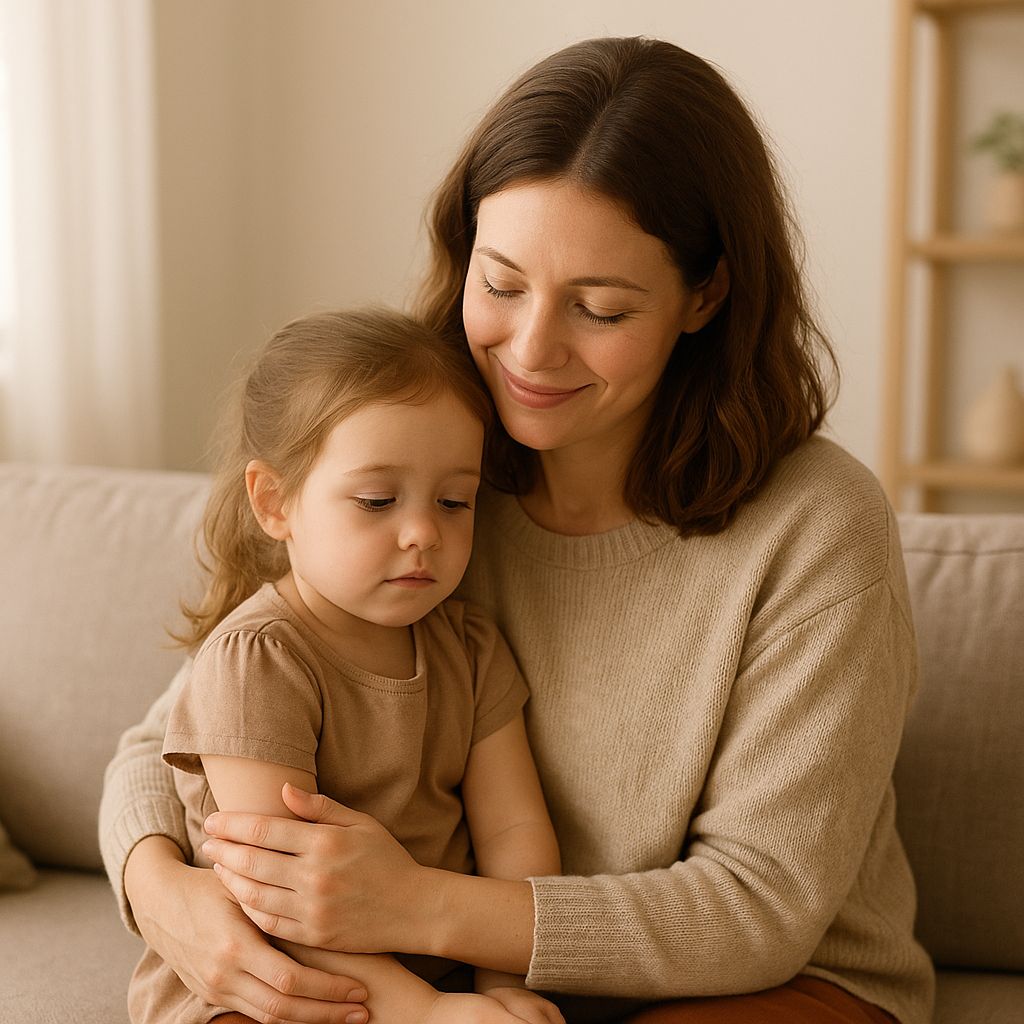
Attachment theory, pioneered by John Bowlby and Mary Ainsworth, highlights the critical role of secure relationships in emotional development. A child’s bond with primary caregivers serves as a template for future emotional experiences and relationships.
- Secure Attachment: Children feel safe, supported, and are more likely to explore their environments. This security fosters confidence and emotional stability.
- Anxious or Avoidant Attachment: Inconsistent or unresponsive care can lead to difficulties in emotional regulation and social interactions.
Key Emotional Milestones in Early Childhood
Emotional milestones are markers of growth that indicate a child’s ability to recognize, express, and manage feelings. While every child develops at their own pace, typical milestones include:
Infancy (0-12 Months)
- Expressing basic emotions such as joy, anger, and fear.
- Seeking comfort from caregivers when distressed.
- Responding to facial expressions and tone of voice.
Toddlerhood (1-3 Years)
- Identifying feelings ("I'm sad," "I'm happy").
- Beginning to assert independence, sometimes resulting in tantrums.
- Developing empathy by noticing others’ emotions.
- Learning to share and take turns with guidance.
Preschool Age (3-5 Years)
- Recognizing and labeling a wider range of emotions.
- Starting to manage impulses and delay gratification.
- Forming friendships and expressing affection.
- Understanding the concept of empathy and showing concern for others.
- Using words to solve conflicts, though with adult support.
Factors Influencing Emotional Development
Emotional development is shaped by multiple factors, including:
- Family Environment: Responsive, nurturing care provides a secure base for emotional exploration.
- Temperament: Each child’s innate disposition affects their emotional responses and regulation strategies.
- Social Interactions: Play and group activities help children practice empathy and cooperation.
- Cultural Context: Cultural values influence the expression and understanding of emotions.
- Early Education: Preschool settings that promote SEL enhance emotional competence.
Strategies to Foster Emotional Development
Parents and caregivers play a pivotal role in supporting emotional growth. Consider these expert-recommended strategies:
1. Model Healthy Emotional Expression
Children learn by observing adults. Express your own feelings honestly and constructively. For example, say "I feel frustrated, but I’m taking deep breaths to calm down." This demonstrates emotional regulation and provides a blueprint for your child.
2. Build Emotional Vocabulary
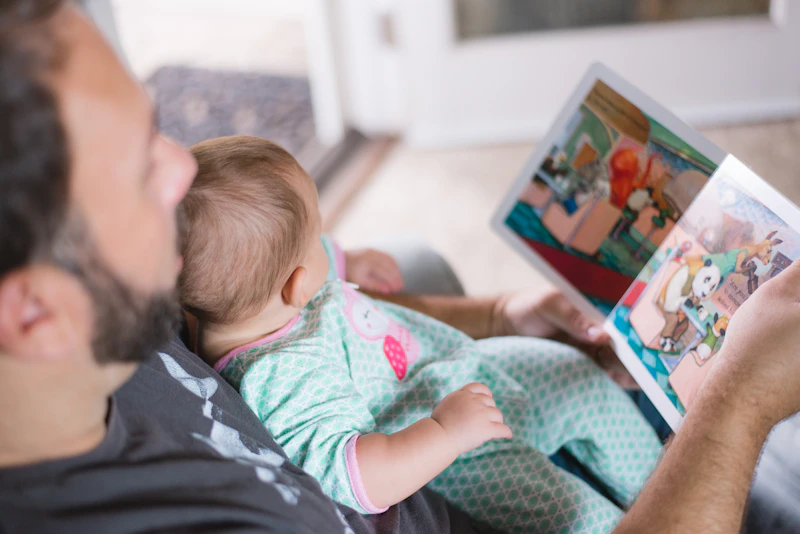
Help your child name their emotions with words. Use books, stories, or daily conversations to introduce terms like "excited," "disappointed," or "scared." This enables children to articulate their feelings rather than acting out.
3. Encourage Empathy and Perspective-Taking
Discuss how others might feel in various situations. Role-playing and storytelling can help children understand different viewpoints, fostering empathy and compassion.
4. Create a Supportive Environment
- Maintain routines to provide predictability and security.
- Respond promptly and sensitively to your child’s emotional needs.
- Allow safe spaces for your child to calm down during emotional outbursts.
5. Teach Problem-Solving and Coping Skills
Guide your child through conflicts and frustrations with questions like, "What could you do next time?" or "How can we solve this problem together?" Encourage positive coping strategies, such as deep breathing or asking for help.
6. Use Play to Explore Emotions
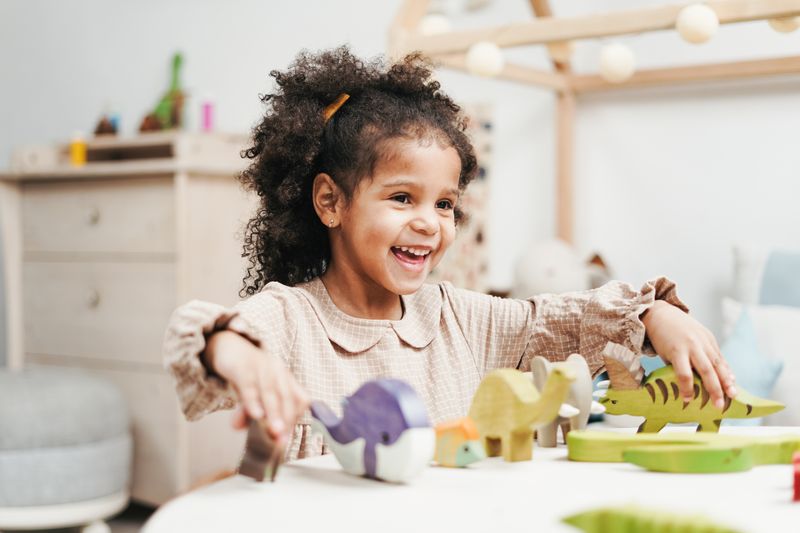
Play is a powerful tool for emotional development. Pretend play, puppets, and games allow children to express feelings, act out scenarios, and practice social skills in a safe and imaginative context.
7. Support Social-Emotional Learning in Preschool
Many early childhood programs now incorporate SEL curricula. Ask about your child’s preschool activities and reinforce lessons at home. Collaborative efforts between home and school reinforce emotional growth.
Common Challenges and Solutions
Tantrums and Emotional Outbursts
Tantrums are developmentally normal in toddlers and preschoolers. Support your child by staying calm, acknowledging their feelings, and offering comfort. Avoid punitive responses; instead, teach alternative ways to express frustration.
Shyness and Social Anxiety
Some children are naturally reserved. Encourage gentle exposure to social settings, validate their feelings, and avoid forcing interactions. Gradually build confidence through positive experiences.
Difficulty with Emotional Regulation
If your child frequently struggles to manage emotions, practice coping strategies together, such as mindfulness, breathing exercises, or using emotion cards. Seek guidance from professionals if concerns persist.
The Role of Early Intervention
Early identification and intervention for emotional difficulties can prevent long-term challenges. Signs that may warrant professional help include:
- Consistent inability to regulate emotions
- Difficulty forming relationships
- Persistent sadness, anxiety, or withdrawal
- Extreme aggression or self-harm
If you observe these signs, consult a pediatrician, early childhood educator, or child psychologist for assessment and support.
Frequently Asked Questions
- What are the main stages of emotional development in early childhood?
- The main stages include attachment formation, recognizing and expressing emotions, developing empathy, and learning emotional regulation. These stages typically develop from infancy through preschool years.
- How can parents support their child's emotional development?
- Parents can foster emotional growth by modeling healthy emotional expression, providing a secure and responsive environment, teaching emotional vocabulary, and encouraging empathy and problem-solving.
- Why is emotional development important in early childhood?
- Emotional development is fundamental for mental health, social relationships, and academic success. It helps children manage stress, build resilience, and form positive connections with others.
- When should I seek help for my child’s emotional development?
- If your child consistently struggles with emotional regulation, has difficulty forming relationships, or shows prolonged distress, consult a pediatrician or child psychologist for guidance and support.
Conclusion: Nurturing Emotional Intelligence for Lifelong Success
Emotional development in early childhood is more than a phase; it is a foundation for future happiness, resilience, and achievement. By understanding milestones, applying supportive strategies, and seeking help when needed, parents and caregivers can empower children to navigate their emotional worlds with confidence and compassion. Investing in emotional growth is among the most important gifts you can offer your child—one that will support their relationships, learning, and well-being for years to come.
For more expert parenting insights and practical strategies, explore other articles in our growth-development category and join the Growing Giggles community!