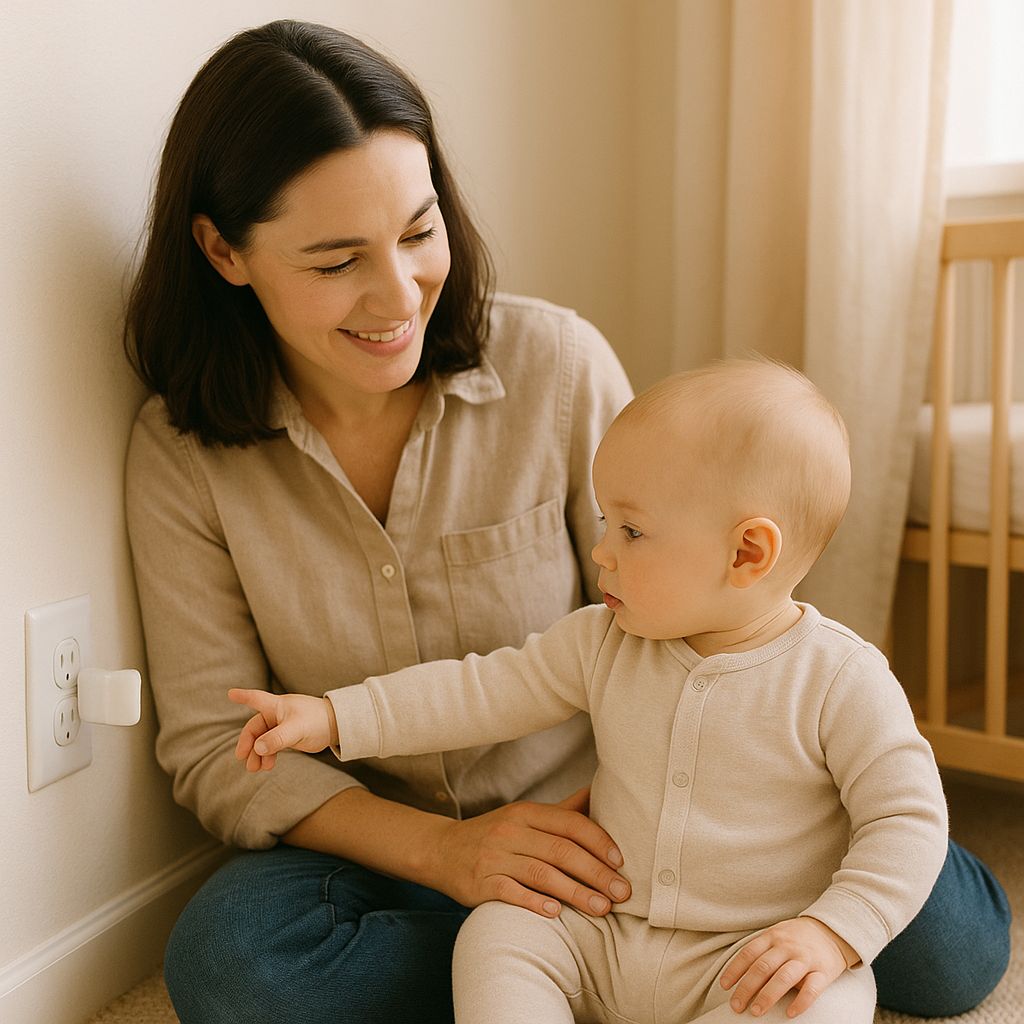

Electrical Safety for Babies at Home: A Comprehensive Guide for Parents
When it comes to your baby’s well-being, electrical safety is a non-negotiable aspect of home childproofing. As your little one grows and becomes increasingly mobile, their curiosity compels them to explore every nook and cranny — including those with hidden electrical hazards. Ensuring electrical safety for babies at home is not just about preventing accidents; it’s about creating a nurturing environment where your child can thrive, learn, and play safely.
Why Electrical Safety for Babies is Critical
According to the National Fire Protection Association, thousands of children are treated in hospitals every year for injuries caused by electrical outlets and cords. Babies, with their natural curiosity and lack of awareness, are particularly vulnerable. Electrical injuries can be life-threatening, causing burns, shocks, and even fatality. Proactive measures are therefore essential for every parent and caregiver.
Identifying Common Electrical Hazards in the Home
- Uncovered electrical outlets: Standard wall outlets are at the perfect height for crawling babies, making them a prime danger zone.
- Loose or exposed cords and wires: Babies can easily grab, chew, or tug on cords, risking shocks or strangulation.
- Accessible power strips and extension cords: These not only offer multiple points of contact but are also tempting for little hands to play with.
- Faulty or outdated wiring: Older homes may have insufficiently protected wiring, increasing the risk of accidental contact.
- Portable appliances: Items like hairdryers, toasters, and lamps can present risks if left plugged in and within reach.
Step-by-Step Guide to Babyproofing Electrical Outlets
- Install Outlet Covers: Use high-quality plug-in outlet covers or sliding outlet plates on all accessible outlets. Tamper-resistant outlets, now required by building codes in many areas, are a long-term solution.
- Check for Gaps: Ensure all covers fit snugly and cannot be easily removed by a child. Regularly inspect for wear or loosening.
- Limit Access: Place furniture in front of outlets where possible, but avoid blocking ventilation for electronics.
Securing Power Cords and Extension Cords
- Use Cord Shorteners and Covers: Cord management systems keep wires organized and out of sight, reducing temptation.
- Wall-Mounted Cord Channels: These can be used to route cords up and away from little hands and mouths.
- Avoid Extension Cords: Where possible, avoid their use in areas where babies play. If necessary, use only safety-certified cords and cover them securely.
- Check for Damage: Regularly inspect all cords for fraying, cracks, or loose plugs, and replace immediately if found.
Safe Use of Electrical Appliances Around Babies
Household appliances, from kitchen gadgets to entertainment systems, can pose hidden risks. Follow these best practices:
- Unplug appliances when not in use, especially those within reach of your baby.
- Store appliances away from the edge of counters or tables.
- Use appliance locks or safety switches where applicable.
- Keep cords from appliances like irons, kettles, and hairdryers out of sight and reach after use.
The Importance of Supervision and Education
While physical barriers and safeguards are crucial, supervision remains your first line of defense. Always keep an eye on your baby, especially in new environments. As children grow, teach them about the dangers of electricity in age-appropriate ways. Simple rules like “don’t touch” and “no cords” can start as early as toddlerhood.
Room-by-Room Electrical Safety Checklist
Living Room
- Cover all outlets and secure cords behind furniture.
- Mount TVs securely to prevent tipping and hide cables in wall channels.
- Keep lamps and electronics out of reach.
Nursery & Bedroom
- Use outlet covers and avoid extension cords.
- Position crib and changing tables away from outlets.
- Secure baby monitors and their cords well above crib level.
Kitchen
- Unplug and store appliances after each use.
- Keep outlets near sinks covered with GFCI (Ground Fault Circuit Interrupter) protection.
- Install safety latches on cabinets with electrical items.
Bathroom
- Use GFCI outlets for extra protection.
- Never leave appliances plugged in where water is present.
- Keep all cords and devices out of reach and away from sinks and tubs.
Professional Electrical Safety Upgrades
If you live in an older home or are uncertain about your wiring and outlets, consult a licensed electrician. They can:
- Install tamper-resistant outlets and GFCI outlets in key areas.
- Check for outdated wiring and make recommendations for upgrades.
- Ensure your home’s electrical system is up to code and safe for a growing family.
What to Do in Case of an Electrical Emergency
- Don’t touch your child if they are in contact with the electrical source. Turn off the power at the circuit breaker if safe.
- Call emergency services immediately. Even if your baby seems fine, a doctor should evaluate them after any electrical shock.
- Keep an emergency plan handy. Make sure all caregivers and family members know what to do.
Maintaining a Safe Environment as Your Baby Grows
Electrical safety is not a “set it and forget it” process. As your child grows and becomes more mobile, regularly review and update your babyproofing strategies. Check for new hazards, replace worn covers, and reinforce safety rules as your child reaches new milestones.
Additional Resources
- Electrical Safety Foundation International
- National Fire Protection Association
- Consult your pediatrician for personalized safety advice.
Conclusion
Electrical safety for babies at home is a cornerstone of responsible parenting. By proactively babyproofing your space, educating your family, and staying vigilant, you provide your child with the safe environment they deserve. Remember: childproofing is a continual process, and your efforts play a vital role in preventing accidents and nurturing your child’s growth and curiosity in a protected setting.
Frequently Asked Questions
What are the most common electrical hazards for babies at home?
Common hazards include exposed electrical outlets, accessible power cords, loose or damaged wires, and improperly covered appliances. Babies are naturally curious and may try to insert objects or fingers into outlets, chew on cords, or pull on wires, all of which pose serious risks.
How can I babyproof electrical outlets?
Use plug-in outlet covers, sliding outlet plates, or install tamper-resistant outlets. Ensure covers are secure and cannot be easily removed by little hands. Regularly check that all outlets are covered, especially those within your baby's reach.
Are power strips and extension cords safe around babies?
Power strips and extension cords should be avoided in areas where babies play or crawl. If necessary, use cord shorteners, covers, or cable management boxes, and keep them out of sight and reach to prevent tripping, pulling, or chewing.
What should I do if my baby receives an electric shock?
If a shock occurs, immediately turn off the power source if safe to do so. Do not touch your baby if they are still in contact with the electrical source. Call emergency services right away and seek medical attention, even if your baby appears fine.