Early Problem-Solving Skills in Preschool Children: Nurturing Little Thinkers
Preschoolers are bursting with curiosity, energy, and a natural drive to explore the world. As parents, caregivers, and educators, it's our privilege to nurture these budding thinkers by helping them develop early problem-solving skills. These abilities aren't just about finding solutions—they're the building blocks for lifelong learning, resilience, and creativity. In this comprehensive guide, we'll explore the importance of problem-solving skills in preschool children, practical strategies to foster them, and fun activities to encourage your little one to think outside the box.
Why Are Problem-Solving Skills Crucial in Early Childhood?
From figuring out how to stack blocks without toppling them, to navigating social challenges like sharing toys, preschoolers face problems daily. Learning to solve these challenges helps children:
- Develop critical thinking and reasoning abilities
- Build confidence and independence
- Enhance social-emotional skills by managing frustration and collaborating
- Lay the groundwork for academic success and adaptability
Early problem-solving isn't just about finding an answer—it's about the journey of thinking, experimenting, and learning from mistakes. These skills are a cornerstone of early childhood development.
What Does Problem-Solving Look Like for Preschoolers?
Preschoolers may not solve problems the way adults do, but their process is just as important. Here are some common examples:
- Figuring Out How Things Work: Taking apart a toy to see how it moves.
- Social Dilemmas: Deciding how to share or take turns during play.
- Creative Solutions: Using a chair as a pretend car or turning a box into a fort.
- Physical Challenges: Building a tower or completing a puzzle.
Each of these scenarios requires cognitive skills, persistence, and creativity.
How Parents and Educators Can Encourage Problem-Solving
Fostering problem-solving skills is a hands-on, heart-centered process. Here's how you can help:
1. Embrace Play-Based Learning
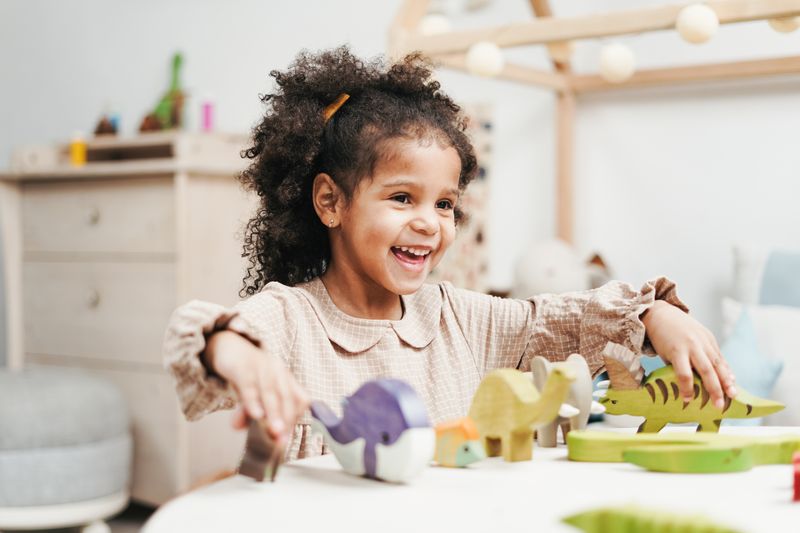
Play is the preschooler's language. Through play, children naturally encounter challenges and devise solutions. Offer:
- Puzzles and matching games
- Building blocks and construction toys
- Imaginative play with dolls, cars, or kitchen sets
- Outdoor exploration and nature walks
Let children lead their play, and step in only to guide—not to solve problems for them.
2. Ask Open-Ended Questions
Instead of giving answers, ask questions that prompt your child to think:
- "What do you think will happen if...?"
- "How could we fix this?"
- "Why did that fall over?"
- "What else could we try?"
This encourages critical thinking for kids and lets them explore possibilities.
3. Celebrate Effort, Not Just Results
Problem-solving is about persistence and creativity. Praise your preschooler for trying new strategies—even if they don't work the first time. Say:
- "I love how you kept trying different ways!"
- "You worked so hard on that puzzle."
- "Great thinking! Let's try again together."
Encouragement builds confidence and a growth mindset.
4. Create a Supportive Environment
Set up spaces where your child can safely experiment, make mistakes, and try again. Provide:
- Accessible materials for building, art, and play
- Time for unstructured play and exploration
- Opportunities for group activities and teamwork
A nurturing environment helps children feel safe to take risks.
5. Model Problem-Solving Yourself
Let your child see you tackle everyday challenges:
- "Hmm, my keys are missing. What should I do?"
- "This recipe didn't turn out right. What can we change next time?"
Talking through your thought process shows children how adults solve problems, reinforcing life skills.
Fun Activities to Develop Problem-Solving Skills
Learning happens everywhere! Here are some engaging activities to try at home or in the classroom:
Puzzle Play
Age-appropriate puzzles challenge kids to recognize patterns, shapes, and spatial relationships. Start with simple puzzles and gradually increase complexity as your child's skills grow.
Building Blocks and Construction Toys
Give your preschooler a variety of blocks, LEGO, or magnetic tiles. Ask questions like:
- "How can we make the tower taller?"
- "What happens if we use different shapes?"
Encourage experimentation and celebrate creative designs.
Scavenger Hunts
Hide objects around your home or yard and provide clues to find them. This activity involves reasoning, teamwork, and persistence.
Sorting and Matching Games
Sort items by color, size, or shape. Ask your child to find new ways to organize toys or household objects. Sorting develops logic and categorization skills.
Cooking Together
Let your child help with simple recipes. Ask questions like:
- "What do we do if we spill the flour?"
- "How can we mix the ingredients?"
Cooking presents natural problems to solve and builds patience.
Outdoor Exploration
Go for nature walks and encourage your child to ask questions about plants, bugs, and weather. Challenge them to build a small shelter or find creative ways to cross a puddle.
Role-Play Scenarios
Set up pretend situations, like running a store or fixing a broken toy. Role-play allows children to practice negotiation, communication, and thinking on their feet.
Common Challenges and How to Address Them
Problem-solving isn't always smooth sailing. Preschoolers may:
- Become frustrated when things don't work out
- Struggle to share or take turns
- Find it hard to ask for help
As a parent or educator, here's how you can help:
- Stay Patient: Give your child time to work through challenges.
- Guide, Don't Solve: Ask questions or offer hints, but let your child find answers.
- Encourage Reflection: After a challenge, talk about what worked and what didn't.
- Model Emotional Regulation: Show how to manage frustration and keep trying.
Remember: Mistakes are a valuable part of learning!
Problem-Solving and Social Skills
Many preschool problems are social—like sharing toys or resolving disagreements. Encourage your child to:
- Use words to express needs
- Listen to friends' ideas
- Take turns and negotiate solutions
Role-play social scenarios and discuss different ways to resolve conflicts. Social problem-solving is essential for building friendships and emotional intelligence.
How Early Problem-Solving Skills Impact Future Learning
Children who develop problem-solving skills early are better equipped for school and life. They:
- Adapt to new situations and challenges
- Persist in the face of difficulties
- Think creatively and flexibly
- Work well in groups and collaborate
These abilities support academic achievement, social-emotional growth, and lifelong success.
Tips for Parents: Making Problem-Solving a Daily Adventure
- Encourage curiosity: Let your child ask "why" and "how" questions.
- Invite your child to help: Ask for their input when solving household problems (like organizing toys or fixing a broken item).
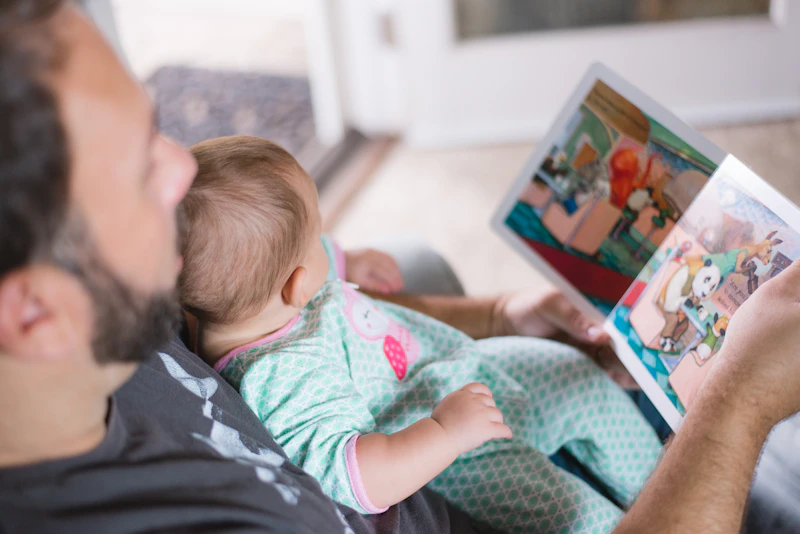
- Read stories together: Discuss how characters solved their problems and what your child would do differently.
- Celebrate effort: Praise persistence and creative thinking, not just correct answers.
- Make mistakes together: Show that mistakes are part of learning, and brainstorm solutions as a team.
Conclusion: Raising Little Thinkers
Early problem-solving skills are a gift that keeps on giving. By nurturing your preschooler's ability to think, create, and persist, you're laying the foundation for a confident, adaptable, and resilient learner. Whether you're a parent, grandparent, or educator, your encouragement makes all the difference. Embrace the mess, celebrate the journey, and watch your little thinker blossom!
Frequently Asked Questions
- Why are problem-solving skills important in preschool children?
Problem-solving skills help preschoolers develop critical thinking, creativity, and resilience. These abilities are essential for academic success, social-emotional growth, and navigating everyday challenges. - How can I encourage my preschooler to solve problems?
Encourage your child by offering open-ended questions, providing opportunities for play-based learning, and celebrating their efforts—no matter the outcome. Avoid solving problems for them; instead, guide their thinking and let them explore solutions. - What are some fun activities to develop problem-solving skills?
Try puzzles, building blocks, scavenger hunts, sorting games, and role-play scenarios. Everyday activities like cooking, gardening, or setting the table also present opportunities for your child to practice solving problems. - How do problem-solving skills impact future learning?
Early problem-solving skills help children become confident learners. They foster adaptability, persistence, and the ability to tackle new challenges—skills that are crucial throughout school and life.