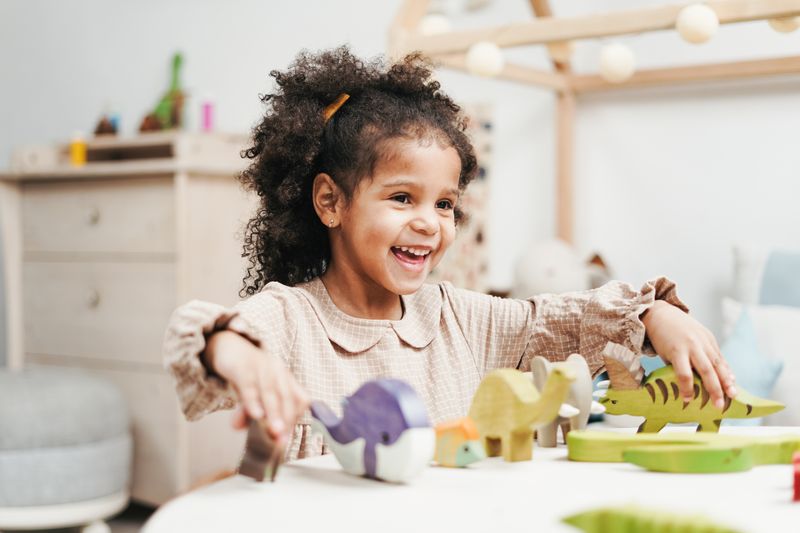
Early Learning Activities for 3–5 Year Olds: Fun Ways to Boost Preschooler Development
Preschoolers are bursting with energy, curiosity, and a desire to explore the world around them. The ages of 3 to 5 are a magical window for learning, where play and discovery lay the foundation for lifelong skills. As parents and caregivers, you play a crucial role in nurturing your child’s development. But what activities are best for early learning at home? In this comprehensive guide, we’ll explore a variety of expert-recommended, creative, and engaging early learning activities for 3–5 year olds, along with tips to make every day a fun learning adventure.
Why Early Learning Matters for Preschoolers
Children aged 3–5 experience rapid growth in cognitive, social, emotional, and physical domains. Early learning activities help them:
- Develop language and communication skills
- Strengthen problem-solving and critical thinking
- Build confidence and creativity
- Enhance motor skills and coordination
- Learn to cooperate, share, and express emotions
By integrating learning into play, you support your child’s natural curiosity and help them build the skills needed for kindergarten and beyond.
Play-Based Learning: The Preschooler’s Superpower
Research consistently shows that learning through play is the most effective approach for preschoolers. Play allows children to experiment, take risks, and discover new ideas. Activities don’t need to be complicated or expensive; everyday moments are full of learning opportunities!
Top Early Learning Activities for 3–5 Year Olds
Let’s dive into a variety of hands-on activity ideas you can try at home, grouped by learning area.
1. Language and Literacy Activities
- Storytime: Read aloud every day. Use funny voices, ask questions about the story, and let your child turn the pages.
- Letter Hunt: Hide magnetic letters around the house and encourage your child to find them. Practice naming and matching.
- Rhyming Games: Play "what rhymes with…?" using objects you see or words from stories.
- Make Your Own Books: Staple together blank pages and let your child draw or dictate their own stories.
- Sing-Alongs: Nursery rhymes and action songs boost vocabulary and listening skills.
2. Math and Problem-Solving Activities
- Sorting and Categorizing: Use socks, blocks, or buttons. Sort by color, shape, or size.
- Counting Games: Count items during snack time, on walks, or while cleaning up toys.
- Pattern Play: Make simple patterns with beads or blocks and ask your child to continue the sequence.
- Shape Hunt: Look for circles, squares, and triangles around the house or outdoors.
- Puzzle Time: Simple jigsaw puzzles build problem-solving and spatial reasoning.
3. Science and Nature Exploration
- Nature Walks: Collect leaves, rocks, or flowers. Talk about their colors, textures, and shapes.
- Simple Experiments: Mix baking soda and vinegar, plant seeds, or observe melting ice.
- Weather Chart: Draw a daily weather chart and discuss sunny, rainy, or windy days.
- Bug Hunt: Safely observe bugs in the garden. Use a magnifying glass for extra excitement!
- Sink or Float: Fill a tub with water and test which objects sink or float.
4. Creative Arts and Crafts
- Finger Painting: Set out washable paints and let your child create masterpieces.
- Collage Making: Use magazines, colored paper, or natural materials to make collages.
- DIY Instruments: Make shakers from rice in bottles or drums from empty containers.
- Play Dough: Homemade or store-bought, play dough builds creativity and fine motor skills.
- Dress-Up: Encourage imaginative play with old clothes, hats, and scarves.
5. Physical and Motor Skill Activities
- Obstacle Course: Use pillows, chairs, and blankets for a safe indoor course.
- Dance Party: Play favorite tunes and dance together.
- Ball Games: Roll, throw, or kick balls to improve coordination.
- Jumping and Hopping: Practice hopping on one foot or jumping over lines.
- Scissor Skills: Supervised cutting paper shapes strengthens hand muscles.
6. Social and Emotional Learning Activities
- Pretend Play: Act out stories, role-play as chefs or doctors, or set up a pretend shop.
- Feelings Faces: Draw faces showing different emotions and talk about them.
- Sharing Games: Practice taking turns with toys or games.
- Gratitude Jar: Add notes about things your child is thankful for.
- Mindful Moments: Try simple breathing exercises or listen to calm music together.
Adapting Activities for Your Child’s Interests and Needs
Every preschooler is unique, and their interests can change quickly. Here’s how to tailor activities:
- Follow their lead: If your child loves dinosaurs, incorporate them into counting, reading, or art activities.
- Keep it flexible: If an activity isn’t working, switch gears or add a new twist.
- Encourage choice: Let your child pick between two activities to foster independence.
- Celebrate effort: Praise trying new things, not just the outcome.
Learning Through Everyday Moments
Some of the best learning happens during daily routines:
- Cooking together: Talk about measuring, counting, and following directions.
- Grocery shopping: Let your child help find items, discuss colors, and compare sizes.
- Bath time: Try sink or float games or name body parts.
- Tidying up: Practice sorting and organizing.
- Walks: Count steps, notice sounds, and describe what you see.
Tips for Making Early Learning Activities Successful
- Keep it positive: Focus on fun and exploration, not perfection.
- Repeat favorites: Repetition builds confidence and mastery.
- Mix up the routine: Introduce new activities regularly, but keep familiar ones too.
- Involve siblings: Older kids can help lead activities or play together.
- Observe and adjust: Watch how your child responds and adapt to their mood and interest.
Frequently Asked Questions
- What are the best early learning activities for 3–5 year olds?
- The best activities blend fun and learning, such as arts and crafts, storytime, sensory play, outdoor exploration, and simple science experiments. These encourage curiosity, creativity, and skill development.
- How can I support my preschooler’s learning at home?
- You can support your child by providing a variety of play-based activities, engaging in conversation, reading together, and encouraging exploration. Making learning enjoyable and hands-on helps children absorb new concepts.
- Are screen-based activities suitable for preschoolers?
- While limited educational screen time can be beneficial, hands-on activities are far more effective for preschoolers’ development. Interactive play, crafts, and outdoor exploration are preferable.
- How do early learning activities support preschooler development?
- These activities build foundational skills like language, problem-solving, social interaction, creativity, and fine motor coordination, setting children up for future academic and life success.
- What are some easy-to-set-up learning activities at home?
- Simple activities include sorting games, building with blocks, nature walks, drawing, singing, and sensory bins. Everyday items like cups, spoons, and paper are perfect for creative play.
Conclusion: Nurturing Your Preschooler’s Growth
Early learning for 3–5 year olds is all about making the most of everyday moments. Activities don’t need to be elaborate—a little creativity and encouragement go a long way. Whether you’re reading a favorite book, painting together, or exploring the backyard, you’re fostering skills that last a lifetime. Remember, your involvement and enthusiasm make all the difference. Let your preschooler’s curiosity lead the way, and watch them grow into confident, joyful learners!
Share Your Favorite Activities!
What early learning activities do your preschoolers love most? Share your tips and stories in the comments below—let’s inspire each other!