Developmental Milestones for 3-Year-Olds: What to Expect and How to Support Your Toddler
Three is a magical age. Your toddler is blossoming into a chatty, curious little person, full of energy and imagination. But as a parent, you might wonder: Is my child on track? What should a 3-year-old be able to do? Let’s dive into the world of developmental milestones for 3-year-olds, explore what’s typical, and share expert tips for encouraging your child's growth every step of the way.
Why Developmental Milestones Matter
Developmental milestones are the skills most children achieve by a certain age. They help you understand your child’s progress in key areas: physical, cognitive, social, emotional, and language development. Every child is unique, but milestones provide useful guidelines to spot potential concerns and celebrate achievements.
Major Developmental Milestones for 3-Year-Olds
Let’s break down the main areas of development and what you might notice in your 3-year-old:
1. Physical (Motor) Development
- Gross Motor Skills: Most 3-year-olds can run, jump, climb, and kick a ball with increasing coordination. Stair climbing (alternating feet), riding a tricycle, and dancing are common.
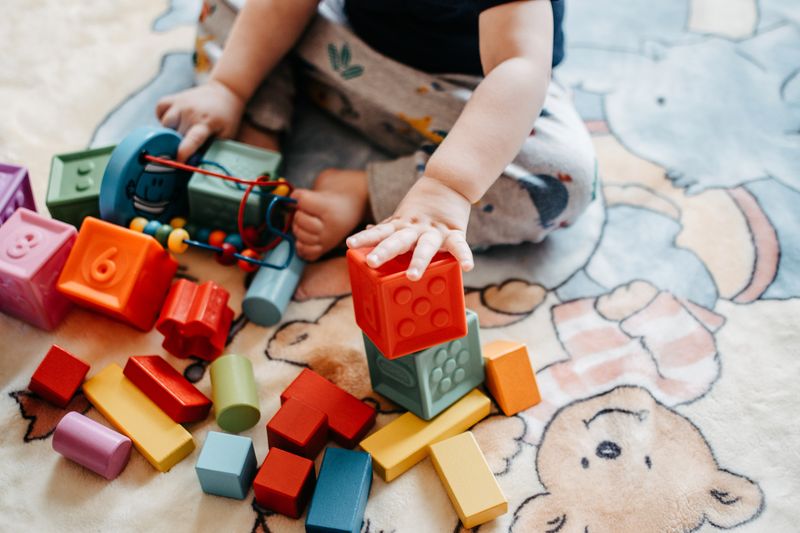
- Fine Motor Skills: You may notice your child holding crayons with a mature grip, drawing circles and simple shapes, building towers with blocks, and starting to use scissors (with supervision).
- Self-care: Many 3-year-olds begin dressing themselves, feeding themselves with a spoon or fork, and may show interest in potty training.
2. Cognitive Development
- Problem Solving: Your toddler can solve simple puzzles, sort objects by shape or color, and understand basic concepts like “big” and “small.”
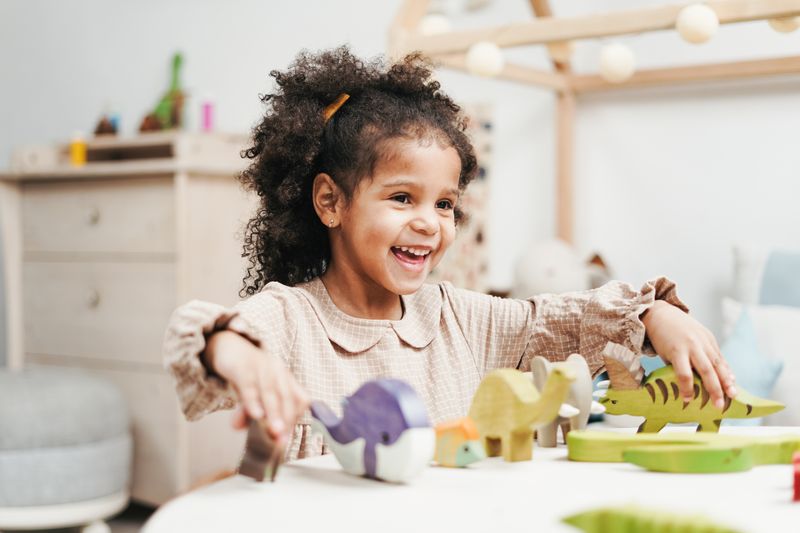
- Imagination: Pretend play flourishes—your child may act out stories, play house, or use toys in creative ways.
- Memory: Three-year-olds remember familiar routines, people, and places. They start to understand time concepts like “yesterday” and “tomorrow.”
3. Language Development
- Vocabulary: Most 3-year-olds use 200-1,000 words and learn new words rapidly.
- Sentences: Children this age can speak in three- to four-word sentences, ask questions, and express ideas clearly enough for strangers to understand much of what they say.
- Listening: They can follow two- to three-step instructions, enjoy listening to stories, and may retell simple tales.
4. Social and Emotional Development
- Playing with Others: Three-year-olds are interested in playing with peers, sharing toys, and taking turns (though conflict is still common!).
- Understanding Feelings: Your child may talk about feelings and start to show empathy (“She’s sad!”).
- Independence: Expect a strong desire to do things on their own—“I can do it!”—as well as lots of questions about the world.
What’s Normal? The Wide Range of 3-Year-Old Development
It’s important to remember: milestones are not strict deadlines. Children grow at their own pace. Some may be chatty but cautious climbers, others may climb everything but speak less. Factors like temperament, environment, and opportunity influence progress.
If your child is progressing in most areas, there’s usually no cause for concern. If you notice significant delays—especially in speech, social skills, or motor abilities—talk to your pediatrician. Early intervention can make a huge difference.
How to Support Your 3-Year-Old’s Development
Parenting a 3-year-old is a whirlwind of fun, learning, and messes! Here are expert-backed tips to nurture your child’s growth:
Encourage Play
- Provide a variety of toys and materials (blocks, art supplies, dress-up clothes, puzzles).
- Join your child in pretend play—let them lead the story!
- Offer outdoor play daily: running, climbing, jumping.
Talk, Read, and Sing
- Talk to your toddler throughout the day. Narrate your actions and ask questions.
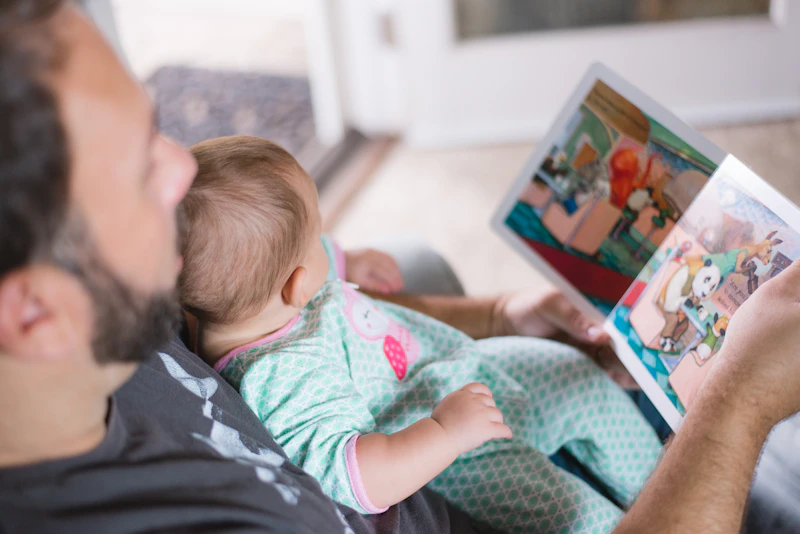
- Read books together every day. Encourage your child to “read” by describing pictures or repeating phrases.
- Singing songs and rhymes builds language and memory skills.
Foster Independence
- Let your child help with simple tasks (setting the table, picking out clothes).
- Offer choices: “Do you want the red cup or the blue cup?”
- Celebrate efforts, not just results.
Social Opportunities
- Arrange playdates or attend group activities (storytime, toddler classes).
- Teach sharing and turn-taking through games.
- Model positive social behavior: use “please” and “thank you,” and talk about feelings.
Set Routines and Limits
- Consistent routines help your child feel secure. Try regular meal, nap, and bedtime schedules.
- Set clear, gentle boundaries. Use simple explanations (“We don’t hit. Hitting hurts.”).
- Offer comfort and reassurance during tantrums or transitions.
Spotlight: Signs Your 3-Year-Old May Need Extra Support
While most children develop at their own pace, some signs may indicate a need for evaluation:
- Limited or unclear speech
- Little interest in playing with others
- Difficulty with motor skills (running, climbing, holding crayons)
- Not following simple instructions
- Extreme difficulty coping with transitions or changes
If you notice these signs, trust your instincts. Talk to your pediatrician or an early childhood specialist. Early support can help your child thrive.
Fun Activities to Boost 3-Year-Old Development
Here are some playful ways to encourage milestone achievement:
- Obstacle Courses: Use pillows, chairs, and tunnels to create gross motor challenges.
- Art Time: Drawing, painting, and sticker activities build fine motor skills.
- Storytelling: Ask your child to make up stories or act out favorite books.
- Sorting Games: Sort blocks or toys by color, shape, or size.
- Feelings Faces: Draw faces showing emotions and talk about what makes you feel happy, sad, or angry.
- Playdates: Practice sharing and cooperation with friends.
FAQs About Developmental Milestones for 3-Year-Olds
What are common language milestones for 3-year-olds?
Most 3-year-olds can speak in sentences of three to four words, ask questions, and follow simple instructions. Vocabulary grows rapidly, with many children using 200-1,000 words.
How can I support my 3-year-old’s development?
Encourage play, read together, talk often, and provide safe opportunities for your child to explore, socialize, and practice new skills.
When should I be concerned about my child's development?
Consult your pediatrician if your child isn’t speaking clearly, shows little interest in playing with others, struggles with motor skills, or if you have other concerns. Early intervention can help.
Conclusion: Celebrating Your 3-Year-Old’s Growth
Three-year-olds are a delightful mix of independence, curiosity, and imagination. Watching your child master new skills is rewarding—and sometimes a little nerve-wracking! Remember, every child is unique. Use developmental milestones as a guide, not a checklist. Celebrate your toddler’s progress, provide encouragement, and seek help if you have concerns. Your support is the most important ingredient in your child’s growing giggles and confidence.
Looking for more toddler tips? Check out our guides on play-based learning, language development, and positive discipline in the Growing Giggles library!