
Developmental Milestones for 3–5 Year Olds: What Every Parent Should Know
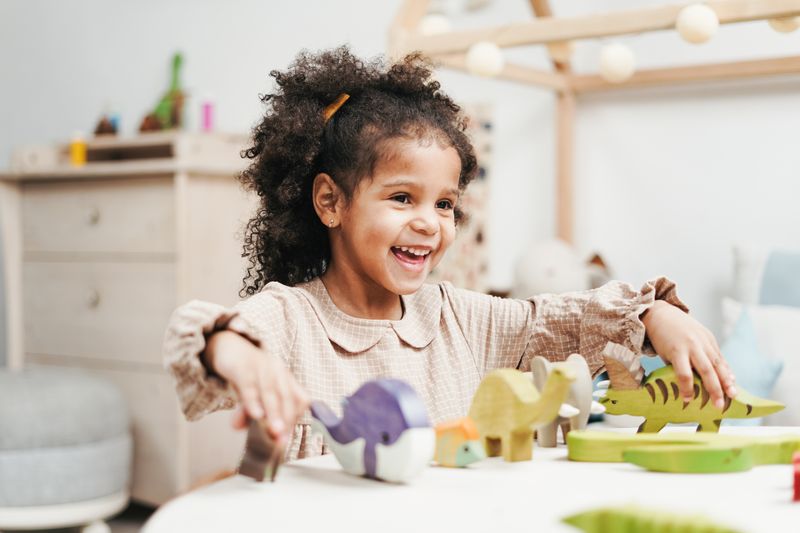
Preschoolers are little bundles of energy and curiosity! Between the ages of 3 and 5, children undergo remarkable growth and transformation. As a parent, you may find yourself marveling at how quickly your child picks up new skills, forms friendships, and expresses emotions. Understanding the developmental milestones for 3–5 year olds can help you support your child's unique journey and celebrate every achievement—big or small.
Why Milestones Matter
Developmental milestones are behaviors or physical skills seen in children as they grow. They serve as helpful benchmarks for tracking progress in four main areas:
- Physical (Motor) Development
- Cognitive Development
- Social & Emotional Development
- Language Development
Remember: milestones are guidelines, not rigid checklists. Every child develops at their own pace!
Physical Development: Growing Strong & Confident
Preschoolers’ bodies are constantly changing. You’ll notice improvements in both gross motor skills (large movements) and fine motor skills (small, precise actions).
Gross Motor Milestones (Ages 3–5)
- Running, Jumping, and Climbing: By age 3, most children can run easily and jump in place. By age 5, they’re hopping, skipping, and climbing playground equipment with confidence.
- Throwing and Catching: At 4, many preschoolers start throwing balls overhand and catching with both hands. By 5, their coordination improves, making games more fun!
- Balancing: Standing on one foot for a few seconds is typical at 3. By 5, they might walk along a line or balance on one foot for up to 10 seconds.
Fine Motor Milestones (Ages 3–5)
- Drawing and Coloring: Scribbling gives way to drawing shapes, stick figures, and simple scenes. By 5, many can color within lines and attempt basic writing.
- Building: Stacking blocks, threading beads, and assembling puzzles become more intricate. By 5, children often build more complex designs.
- Self-Care: Preschoolers learn to dress themselves, use utensils, brush their teeth, and wash their hands independently.
Cognitive Development: Little Thinkers and Learners
Curiosity is at its peak during the preschool years. Children’s ability to think, reason, and solve problems blossoms between ages 3 and 5.
Cognitive Milestones (Ages 3–5)
- Counting and Number Sense: By age 3, children can count to three and match objects. By age 5, many count to 10 or higher and understand basic concepts like more or less.
- Sorting and Categorizing: Preschoolers enjoy sorting objects by color, shape, or size, and can identify similarities and differences.
- Simple Problem Solving: Children begin to solve puzzles, find missing pieces, and think through simple challenges.
- Imagination and Pretend Play: Creative play flourishes. By 5, children invent stories, take on roles, and create imaginary worlds.
- Understanding Time: Concepts like “yesterday,” “today,” and “tomorrow” start to make sense, especially by age 5.
Language Development: Communication Skills Bloom
Preschoolers’ vocabularies explode during these years. They become increasingly expressive, using language to communicate, ask questions, and share their ideas.
Language Milestones (Ages 3–5)
- Expanding Vocabulary: At age 3, children use 200–1,000 words. By age 5, that number jumps to 2,000+ words.
- Forming Sentences: Three-year-olds speak in short phrases. By 5, they use complex sentences, tell stories, and hold conversations.
- Following Directions: Children move from following simple one-step directions to understanding two- and three-step instructions.
- Asking Questions: Expect lots of “why?” and “how?” as cognitive abilities grow.
- Enjoying Books: Preschoolers love to listen to stories and may “read” by retelling them in their own words.
Social & Emotional Development: Building Relationships
This stage is all about learning to interact with others and manage emotions. Preschoolers begin to understand feelings, share, and cooperate.
Social Milestones (Ages 3–5)
- Playing with Others: By age 3, children play alongside peers (parallel play), moving to interactive play by age 4 or 5.
- Sharing and Taking Turns: Preschoolers learn to share toys and take turns during games.
- Making Friends: Children start forming friendships and may have a “best friend.”
- Understanding Rules: Simple rules make sense, but consistency is key. By 5, children follow basic instructions and routines.
Emotional Milestones (Ages 3–5)
- Expressing Feelings: Preschoolers name emotions like happy, sad, or angry and begin to talk about their feelings.
- Managing Frustration: Tantrums decrease as children learn coping skills. By 5, most can express frustration in words.
- Developing Empathy: They start to notice others’ feelings and may try to comfort friends or family.
Milestone Charts: Overview for Ages 3–5
| Age | Physical | Cognitive | Language | Social/Emotional |
|---|---|---|---|---|
| 3 years | Runs, jumps, climbs, stacks blocks | Matches objects, sorts by color | Uses 200–1,000 words, speaks in phrases | Plays alongside peers, names basic emotions |
| 4 years | Hops, throws/catches, draws shapes | Counts to 10, solves simple puzzles | Tells stories, asks questions | Shares, takes turns, forms friendships |
| 5 years | Skips, balances, writes letters | Understands time concepts, invents stories | Uses complex sentences, retells stories | Follows rules, shows empathy |
Supporting Your Preschooler’s Development
As a parent, you play a crucial role in nurturing your child’s growth. Here are some practical tips for supporting development across all domains:
- Encourage Play: Play is the primary way preschoolers learn. Offer a variety of toys, games, and creative activities.
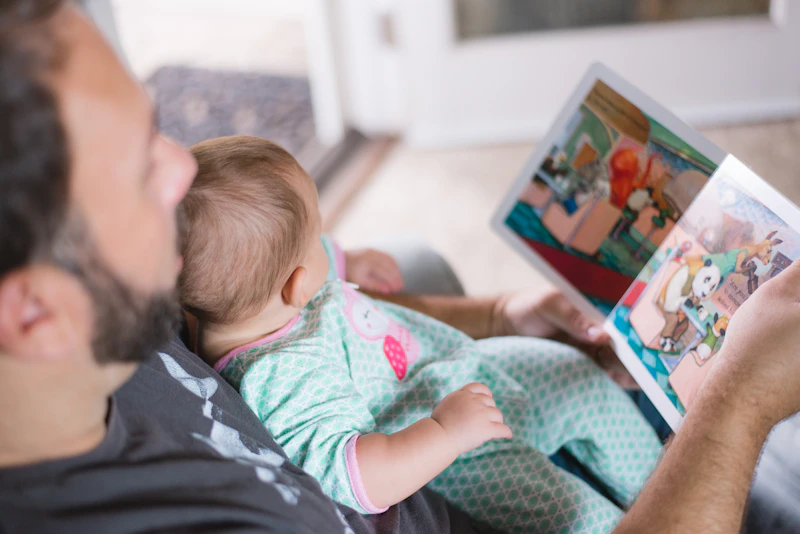
- Read Together: Storytime boosts language skills, imagination, and bonding.
- Promote Social Interaction: Arrange playdates, attend preschool or community activities, and model positive social behaviors.
- Foster Independence: Let your child dress themselves, help with chores, and solve simple problems.
- Stay Positive: Celebrate achievements, provide encouragement, and be patient with setbacks.
- Communicate Openly: Listen to your child, answer questions, and encourage them to express feelings.
When to Be Concerned: Signs of Developmental Delays
While every child develops at their own pace, certain signs may indicate a need for further evaluation:
- Difficulty speaking or understanding language
- Frequent frustration or tantrums beyond age-appropriate expectations
- Trouble interacting with peers or adults
- Challenges with motor skills (running, jumping, drawing)
- Loss of previously acquired skills
If you notice persistent concerns, consult your pediatrician. Early intervention can make a significant difference.
Frequently Asked Questions
- What are the main developmental milestones for 3–5 year olds?
- Milestones include physical skills like running and drawing, cognitive abilities such as counting and storytelling, emotional awareness, and social skills like sharing and making friends.
- How can I support my preschooler's development?
- Encourage play, read together, provide opportunities for social interaction, and foster open communication. Celebrate achievements and be patient with their pace.
- When should I be concerned about developmental delays?
- If your child consistently misses key milestones or shows regression, consult your pediatrician. Early intervention can make a big difference.
- Are developmental milestones the same for every child?
- No, milestones are general guidelines. Children develop at their own pace, and some may reach milestones earlier or later than others.
Final Thoughts: Embracing Your Child’s Unique Journey
Watching your preschooler grow is one of parenthood’s greatest joys. While milestones provide helpful guidance, remember that every child is unique. Celebrate your child’s strengths, nurture their curiosity, and enjoy the giggles, questions, and discoveries that make these years so special.
If you ever have concerns, don’t hesitate to seek support. The journey through ages 3–5 is a magical time—filled with growth, learning, and lots of love!