Developmental Milestones for 2-Year-Olds: A Parent’s Guide to Toddler Growth
Watching your toddler grow is one of the most magical—and sometimes nerve-wracking—experiences of parenthood. At age two, your little one is transforming daily, picking up new skills, words, and abilities faster than you can keep up. But what exactly should you expect from your 2-year-old? What’s normal, what’s not, and how can you best nurture their development? In this comprehensive guide, we’ll break down the key developmental milestones for 2-year-olds, offer expert tips for supporting your child, and address common questions parents have about toddler growth.
Understanding Developmental Milestones
Developmental milestones are skills or abilities most children can perform at a certain age. For 2-year-olds, these milestones cover physical, cognitive, language, and social-emotional domains. Remember, every child is unique—so think of milestones as guidelines, not strict rules. Some toddlers may sprint ahead in language but take their time with social skills, or vice versa.
Physical Development Milestones
- Gross Motor Skills: By age two, most toddlers can walk confidently, run (with some wobbles!), climb onto furniture, and kick a ball. They may attempt to jump with both feet off the ground and are eager to explore playgrounds.
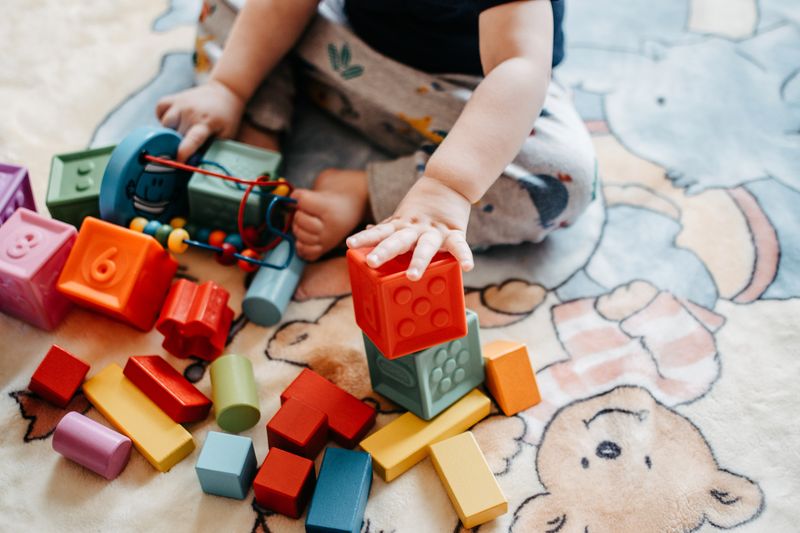
- Fine Motor Skills: Two-year-olds begin to show more control in their hands and fingers. They can turn book pages, stack blocks, build towers, scribble with crayons, and use spoons or forks with increasing skill.
Tip: Create a safe environment for exploration. Soft mats, child-proofed rooms, and age-appropriate toys encourage movement without the worry.
Cognitive Development Milestones
- Problem-Solving: Toddlers love solving simple puzzles, sorting objects by shape or color, and experimenting with cause and effect (think: dropping toys to see what happens!).
- Imitation: Two-year-olds mimic adult behaviors, pretend to feed dolls, or push toy cars, honing their imagination and cognitive abilities.
- Understanding Instructions: Most can follow simple two-step directions, such as "Pick up your toy and put it on the shelf."
Tip: Encourage your child’s curiosity. Open-ended toys, interactive games, and lots of praise for effort foster problem-solving skills.
Language Development Milestones
- Vocabulary Explosion: Around age two, toddlers gain new words rapidly—sometimes adding a dozen or more per week. Many can use 50-100 words and start combining them into 2-3 word sentences ("More juice," "Mama go work").
- Understanding Questions: They begin to comprehend simple questions ("Where’s your teddy?") and can point or respond appropriately.
- Expressing Needs: Two-year-olds may ask for help, express preferences, or tell you when they’re upset—though emotions can still overwhelm their words.
Tip: Talk to your toddler often. Narrate your day, ask questions, and patiently wait for responses. Reading, singing, and rhyming games boost language development.
Social and Emotional Milestones
- Independence: Expect a surge in “I do it!” moments. Two-year-olds want to dress themselves, feed themselves, and may resist help.
- Parallel Play: Rather than playing directly with other toddlers, 2-year-olds often play alongside them—watching, imitating, but not necessarily interacting much.
- Big Feelings: Tantrums, clinginess, and mood swings are common as toddlers learn to manage overwhelming emotions.
- Attachment: Most show strong affection for caregivers, but may also develop separation anxiety or prefer familiar routines.
Tip: Validate your toddler’s feelings. Use calm words, offer hugs, and set gentle boundaries. Emotional coaching helps toddlers learn self-regulation.
Self-Care and Everyday Skills
- Feeding: Many 2-year-olds can use a spoon and fork, drink from cups, and help clear their plate after meals.
- Dressing: With help, they may pull up pants, put on shoes (though not always correctly!), or take off simple clothing.
- Toilet Training: Some show interest in potty training, but this varies widely. Signs include dry periods, curiosity about the toilet, or communicating bathroom needs.
Variations in Milestone Achievement
It’s important to emphasize that milestone achievement ranges are broad. Factors like temperament, environment, sibling influence, and genetics all play a part. Some toddlers are chatterboxes but cautious climbers; others are fearless movers but take their time with words. Celebrate your child’s unique pace!
Supporting Your 2-Year-Old’s Development
- Play Together: Interactive play is the best way to help your toddler grow. Build block towers, chase bubbles, or explore nature together.
- Model Language: Speak clearly, label objects, and narrate daily activities. Avoid “baby talk” and encourage conversation.
- Encourage Choices: Give your child simple options (“Red shirt or blue shirt?”) to foster independence and decision-making.
- Set Routines: Consistent daily routines help toddlers feel secure and develop self-care skills.
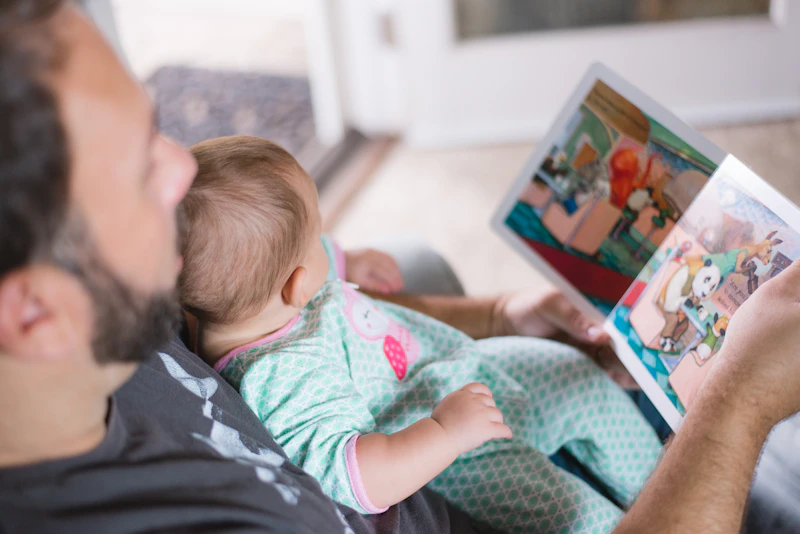
- Read Often: Books introduce new vocabulary, concepts, and spark imagination. Make reading part of your daily routine.
When to Seek Guidance
If your child is not walking, shows little interest in communication, avoids eye contact, or seems unusually withdrawn, consider consulting your pediatrician. Early intervention is key for addressing delays. Trust your instincts—parents know their children best.
Celebrating Small Achievements
Every new word, dance move, or attempt at self-feeding is a big deal for your toddler! Celebrate these milestones with encouragement, smiles, and gentle praise. Building confidence and connection lays the foundation for lifelong learning.
Milestone Checklist for 2-Year-Olds
- Walks, runs, and climbs confidently
- Stacks blocks and turns book pages
- Uses 50+ words and combines them into short sentences
- Follows simple instructions
- Engages in parallel play
- Shows independence and big feelings
- Can feed themselves with a spoon or fork
- May show interest in potty training
Frequently Asked Questions
- What are the main developmental milestones for 2-year-olds?
- 2-year-olds typically experience milestones in movement (walking, running, climbing), communication (using simple sentences, expanding vocabulary), social-emotional skills (showing independence, playing alongside others), and cognitive development (problem-solving, sorting shapes and colors).
- How can I support my 2-year-old’s development?
- Engage your toddler in interactive play, encourage conversation, offer safe spaces for exploration, and establish consistent routines. Reading together, singing songs, and offering age-appropriate toys also help promote growth.
- When should I be concerned about my 2-year-old’s development?
- If your child shows little interest in communication, struggles with basic movement, or seems unusually withdrawn or irritable, consult your pediatrician. Trust your instincts and seek guidance if you notice significant delays compared to typical milestones.
- Do all toddlers reach milestones at the same time?
- No, every child develops at their own pace. Milestone ranges are wide and influenced by temperament, environment, and genetics. Some toddlers may excel in one area while progressing more slowly in another.
Conclusion: Enjoy the Journey
The toddler years are filled with wonder, challenges, and endless learning. By understanding the typical developmental milestones for 2-year-olds, you’ll be better equipped to support your child’s growth and celebrate their unique journey. Remember: patience, encouragement, and love are the best tools in your parenting toolkit. Keep playing, talking, and connecting—your little one is growing every day!