Developmental Milestones for 1-Year-Olds: What to Expect and How to Support Your Toddler
Turning one is a magical moment in your child’s journey—marked by cake-smeared faces, giggles, and an incredible leap in growth and learning. As your toddler transitions from babyhood, you might wonder: What are the developmental milestones for 1-year-olds? What changes should I expect? And, most importantly, how can I help my little one thrive?
Understanding Toddler Development: The Big Picture
At around 12 months, your child enters the toddler stage—a time of exploration, curiosity, and rapid progress. Developmental milestones for 1-year-olds span physical, cognitive, social, and emotional domains. While every child follows their own unique timeline, knowing the typical milestones can guide you in supporting your toddler’s growth.
Physical Milestones: Growth in Motion
- Standing and Walking: Many 1-year-olds stand with support, cruise along furniture, or take their first steps unassisted. Some may even walk confidently!
- Fine Motor Skills: Picking up small objects, feeding themselves finger foods, and manipulating simple toys are common at this age.
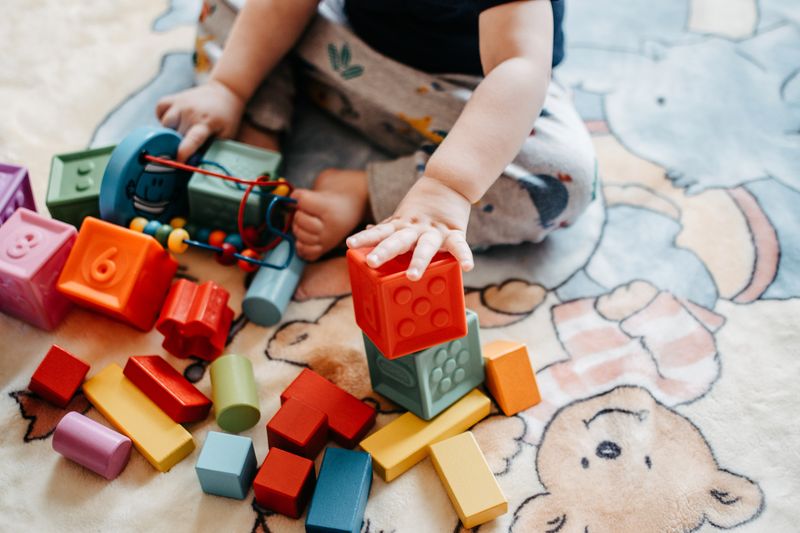
- Finger Dexterity: Watch for your child to use a pincer grasp (thumb and forefinger) to pick up items and attempt stacking blocks.
- Throwing and Dropping: Tossing balls or dropping objects is a favorite activity, as it helps your toddler understand cause and effect.
Tips to Support Physical Development
- Encourage safe exploration—baby-proof your home so your toddler can roam.
- Provide push toys, balls, and stacking blocks for active play.
- Celebrate every attempt, even tumbles—confidence grows with encouragement!
Cognitive Milestones: Little Learners at Work
- Problem Solving: Your 1-year-old may figure out how to open containers, fit shapes into holes, or stack objects.
- Object Permanence: Toddlers begin to understand that objects exist even when out of sight.
- Imitation: Copying your actions, such as clapping or waving, shows growing mental skills.
- Cause and Effect: Dropping a toy and looking for your reaction is a learning moment!
Tips to Support Cognitive Development
- Play simple games like peekaboo or hide-and-seek with toys.
- Offer toys with buttons, switches, or shapes to manipulate.
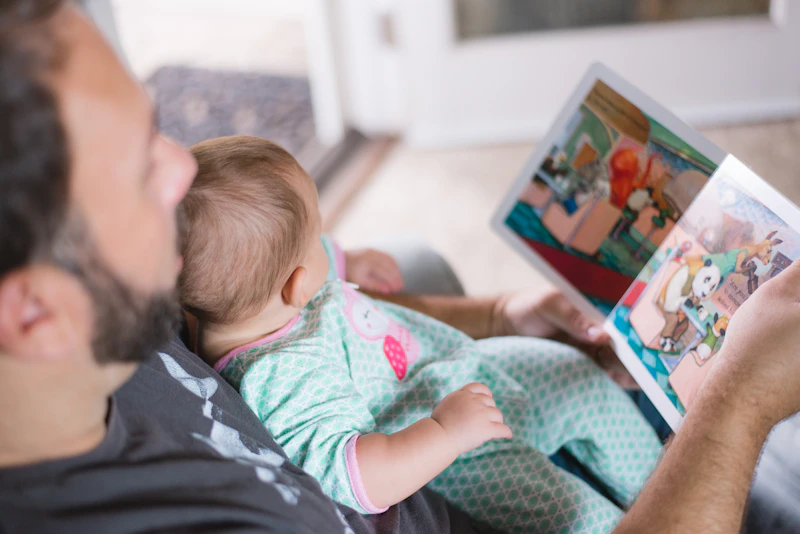
- Read colorful board books and ask questions about the pictures.
Language Milestones: Early Communication
- Babbling and Words: Expect lots of babbling, with a few recognizable words like "mama", "dada", or "ball" emerging.
- Gestures: Waving, pointing, and nodding are forms of communication.
- Understanding: Your toddler may respond to simple commands like "come here" or "give it to me".
- Expressive Sounds: Laughing, squealing, and making noises to get your attention are all part of their language development.
Tips to Support Language Development
- Talk to your toddler throughout the day, narrating actions and describing objects.
- Sing songs and rhymes—repetition helps language stick.
- Respond to attempts at communication with smiles and words.
- Encourage pointing and naming objects during play.
Social and Emotional Milestones: Building Bonds
- Attachment: Your toddler looks for comfort from you and may show separation anxiety.
- Social Play: Enjoys simple games like pat-a-cake or peekaboo.
- Recognizing Familiar Faces: Shows joy or excitement when seeing parents or siblings.
- Expressing Emotions: Laughs, cries, or even throws tantrums to communicate feelings.
Tips to Support Social and Emotional Development
- Offer lots of hugs, kisses, and gentle reassurance.
- Set predictable routines—toddlers thrive on consistency.
- Play interactive games and praise social behaviors.
- Help your child name their feelings ("You're happy!", "Oh, you seem upset.").
Feeding and Self-Care Milestones
- Self-Feeding: Many 1-year-olds use fingers to feed themselves and may attempt to use a spoon.
- Drinking from a Cup: Sippy cups or small open cups become part of their routine.
- Helping with Dressing: Your toddler may try to pull off socks or help with simple clothing.
Tips to Support Feeding and Self-Care Skills
- Offer bite-sized, soft foods for easy grasping and chewing.
- Encourage self-feeding, even if it gets messy!
- Provide child-safe utensils and cups for practice.
- Allow your toddler to help with simple dressing tasks.
Understanding Individual Differences
It’s important to remember that not all 1-year-olds reach milestones at the same time. Factors like temperament, environment, and health can influence progress. Some toddlers walk at 10 months, others closer to 18 months. Language and social skills also vary widely.
As a parent, focus on encouraging growth rather than comparing your child to others. If you have concerns about delays, consult your pediatrician—they can help determine if early intervention is needed.
Red Flags: When to Seek Help
- Not standing with support by 12-15 months
- No babbling, pointing, or gestures
- Unresponsive to voices, sounds, or social cues
- Difficulty with feeding or swallowing
If you notice these signs or have any worries, reach out to your healthcare provider for advice. Early assessment and intervention can make a meaningful difference.
How to Encourage Healthy Development
- Provide a safe, stimulating environment for exploration.
- Balance structured play with free play time.
- Read, sing, and talk together daily.
- Celebrate your toddler’s efforts, not just achievements.
- Stay patient—growth takes time and lots of practice!
Fun Activities to Boost Your Toddler’s Milestones
- Stacking Cups: Helps with fine motor and problem-solving skills.
- Push and Pull Toys: Encourages walking and coordination.
- Finger Painting: Promotes creativity and dexterity.
- Peekaboo: Supports social and cognitive development.
- Singing and Dancing: Builds language, rhythm, and movement.
Parents’ Common Questions Answered
What if my toddler isn’t walking yet?
It’s normal for some children to walk closer to 18 months. Encourage standing and cruising. If no progress by 18 months, check with your pediatrician.
How many words should my 1-year-old say?
Most toddlers say 1-3 words at this stage, but understanding is more advanced than speaking. Celebrate babbling and gestures as early communication!
How can I help my child learn?
Talk, play, and read together. Offer encouragement and follow your child’s interests. Interactive activities build skills and confidence.
Summary: Celebrating Your 1-Year-Old’s Growth
The first year is an exciting time of transformation—your toddler is learning, moving, and connecting in new ways. By understanding developmental milestones for 1-year-olds and nurturing your child’s curiosity, you lay the foundation for lifelong learning. Remember, every child’s journey is unique. Support, patience, and joyful interactions are the keys to helping your little one flourish!
Key Takeaways
- 1-year-olds experience major physical, cognitive, language, and social milestones.
- Support development through play, communication, and healthy routines.
- Individual differences are normal—avoid comparisons.
- Seek advice if you notice concerning delays.
- Celebrate every effort—your toddler is growing every day!
Resources for Parents
- CDC: Positive Parenting Tips for Toddlers
- HealthyChildren.org: Toddler Development
- Zero to Three: Your Child’s Development at Age 1
Ready for more parenting tips and giggles? Join our Growing Giggles community and celebrate every milestone together!