
Crib Safety Rules Every Parent Should Know
Choosing a safe crib is one of the most important decisions you will make as a parent. Your baby spends many hours sleeping, and the crib should be a haven of safety and comfort. Unfortunately, unsafe sleep environments can increase the risk of injuries and Sudden Infant Death Syndrome (SIDS). In this expert guide, we’ll walk you through the essential crib safety rules every parent should know, from selecting the right crib to ongoing maintenance and safe sleep practices.
Why Crib Safety Matters
According to the U.S. Consumer Product Safety Commission (CPSC), thousands of infants are injured in crib-related incidents each year. Many of these injuries can be prevented by following recommended crib safety guidelines. Understanding these rules will help you create a safe nursery and give you peace of mind as your baby sleeps.
Choose a Crib that Meets Current Safety Standards
Safety standards for cribs have evolved over the years. Here’s how to ensure your crib is safe:
- Certification: Look for cribs certified by the Juvenile Products Manufacturers Association (JPMA) or those that meet the latest CPSC regulations.
- No Drop-Side Rails: Drop-side cribs are banned due to their risk of entrapment and suffocation.
- Proper Slat Spacing: Slats should be no more than 2 3/8 inches apart. This prevents your baby’s head from getting stuck.
- Sturdy Construction: The crib should not have any loose parts, sharp edges, or decorative cutouts in the headboard or footboard.
- Lead-Free Paint: Ensure the crib is painted with non-toxic, lead-free finishes.
Tip: Avoid cribs older than 10 years, as they may not meet current safety standards.
Crib Mattress Safety
The mattress is just as important as the crib frame. Here’s what to consider:
- Firmness: Use a firm, flat mattress. Soft mattresses increase the risk of suffocation and SIDS.
- Snug Fit: The mattress should fit snugly with no more than two fingers’ width between the edge of the mattress and the crib. This prevents your baby from getting trapped between the crib and mattress.
- Waterproof Cover: Use a waterproof mattress cover that fits securely to protect against spills and keep the mattress clean.
- Sheet Safety: Always use a fitted sheet designed for crib mattresses. Loose bedding can pose a suffocation hazard.
Safe Sleep Environment
How you set up your baby’s crib is just as crucial as the crib itself. To reduce the risk of SIDS and suffocation:
- No Pillows, Blankets, or Stuffed Animals: The crib should be free of pillows, comforters, quilts, and stuffed toys. These items can block your baby's airway.
- No Bumper Pads: Despite popular belief, bumper pads are not recommended. They increase the risk of injury, suffocation, and SIDS.
- Dress Baby Appropriately: Use a wearable blanket or sleep sack instead of loose blankets to keep your baby warm.
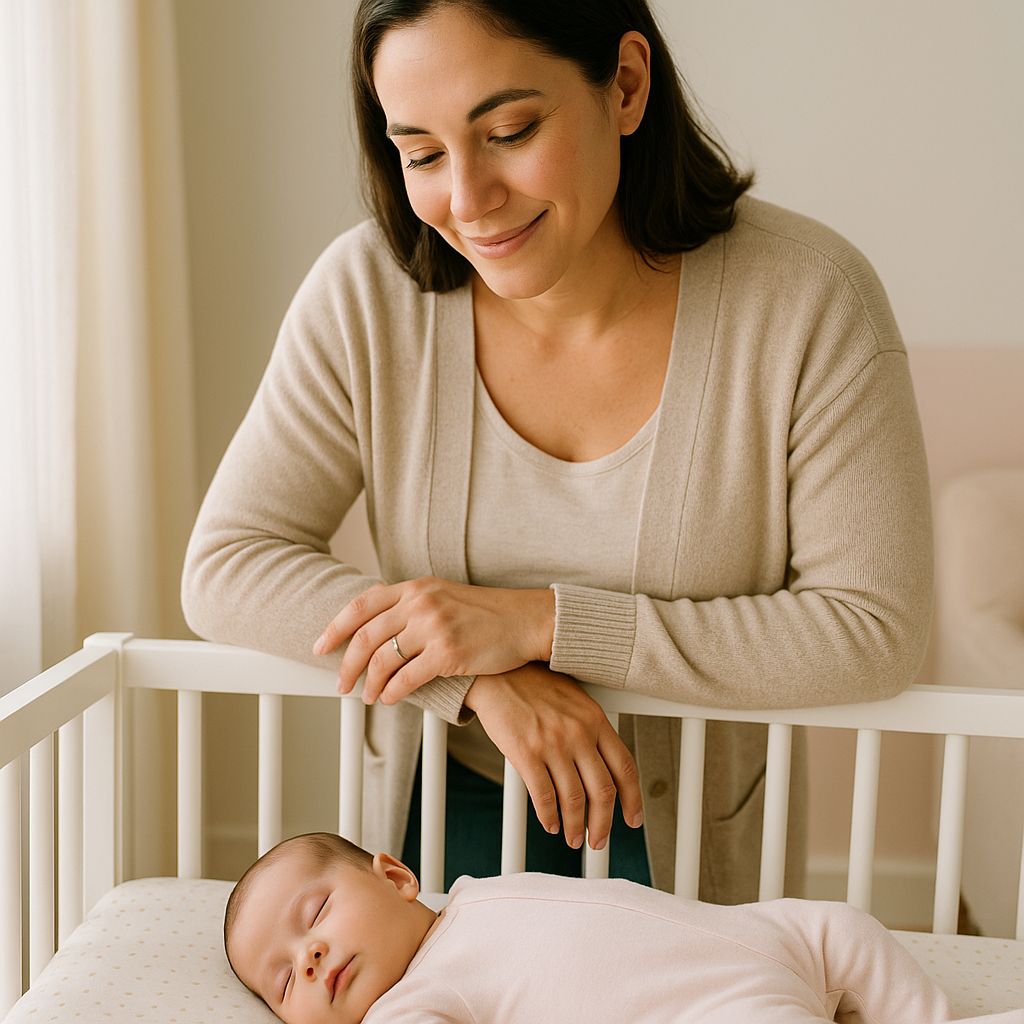
- Back to Sleep: Always put your baby on their back to sleep, for naps and overnight. This is the safest sleep position for infants.
Crib Placement Dos and Don’ts
Where you place your baby’s crib in the nursery is another vital safety consideration:
- Away from Windows: Keep the crib away from windows, blinds, and drapes. Cords and curtain ties can pose strangulation hazards.
- Distance from Wall Decor: Don’t hang pictures, mirrors, or shelves above the crib, as they could fall and injure your baby.
- Avoid Heaters and Vents: Place the crib away from radiators, heaters, and direct drafts. This helps regulate your baby’s temperature and prevents overheating or chilling.
- Stability: Make sure the crib is set up on a flat, stable surface so it doesn’t wobble or tip over.
Assembly and Regular Maintenance
Proper assembly and ongoing inspection are key to crib safety:
- Follow Instructions: Assemble your crib carefully, following the manufacturer’s guidelines. Do not improvise or skip steps.
- Check for Recalls: Register your crib with the manufacturer to receive recall notifications. Check the CPSC recall list before purchasing a crib, especially if it’s secondhand.
- Inspect Weekly: Regularly check for loose screws, bolts, or broken slats. Tighten hardware as needed.
- Don’t Modify: Never attempt to repair broken parts with makeshift solutions. If a part is damaged, contact the manufacturer for a replacement.
When to Transition Out of the Crib
There comes a time when your child will outgrow the crib. Here are some signs it’s time to move to a toddler bed:
- Climbing Out: If your child tries to climb out or has already succeeded, it’s time to transition. Falls from a crib can cause serious injury.
- Height Limit: Most cribs have a height limit (often around 35 inches). Check your crib’s manual for specific recommendations.
- Weight Limit: Cribs also have weight limits. Exceeding this can compromise the crib’s structure and safety.
Secondhand Cribs and Hand-Me-Downs
While it may be tempting to use a secondhand crib, safety must come first:
- Check the Age: Avoid cribs older than 10 years. They may not meet modern safety standards and could have been recalled.
- All Parts Included: Ensure all original hardware and instructions are present.
- Inspect for Damage: Examine the crib for cracks, splinters, or loose joints.
- Verify Standards: Confirm the crib meets current CPSC guidelines and has not been recalled.
SIDS Prevention and Safe Sleep Guidelines
Following safe sleep recommendations is essential for reducing the risk of SIDS:
- Always place your baby on their back for every sleep.
- Use a firm sleep surface with a fitted sheet—no soft bedding or toys.
- Keep the crib in your room for at least the first six months.
- Avoid overheating. Dress your baby in light sleep clothing and keep the room at a comfortable temperature.
Common Crib Safety Mistakes to Avoid
- Using pillows, blankets, or stuffed animals in the crib.
- Hanging mobiles with long strings or toys that could be pulled into the crib.
- Improvising crib repairs with tape, wire, or glue.
- Placing the crib near windows, cords, or outlets.
- Skipping regular maintenance checks.
Crib Safety Checklist
Before putting your baby to sleep, run through this quick checklist:
- Is the crib JPMA or CPSC certified?
- Are the slats close enough (no more than 2 3/8 inches apart)?
- Is the mattress firm and fits snugly?
- Is the crib free of pillows, blankets, and stuffed animals?
- Is the crib positioned away from windows, cords, and wall decor?
- Are all screws and bolts tight and secure?
Final Thoughts
Crib safety is an ongoing responsibility that starts before your baby arrives and continues until they graduate to a toddler bed. By choosing a crib that meets current safety standards, setting up a safe sleep environment, and maintaining the crib regularly, you’ll provide your baby with the safest possible place to rest and grow. Remember: It’s always better to err on the side of caution. When in doubt, consult your pediatrician or a certified child safety expert.
For more expert parenting tips and nursery safety guides, explore the other resources on Growing Giggles.