
Creating Familiar Sleep Cues While Traveling: A Parent’s Guide
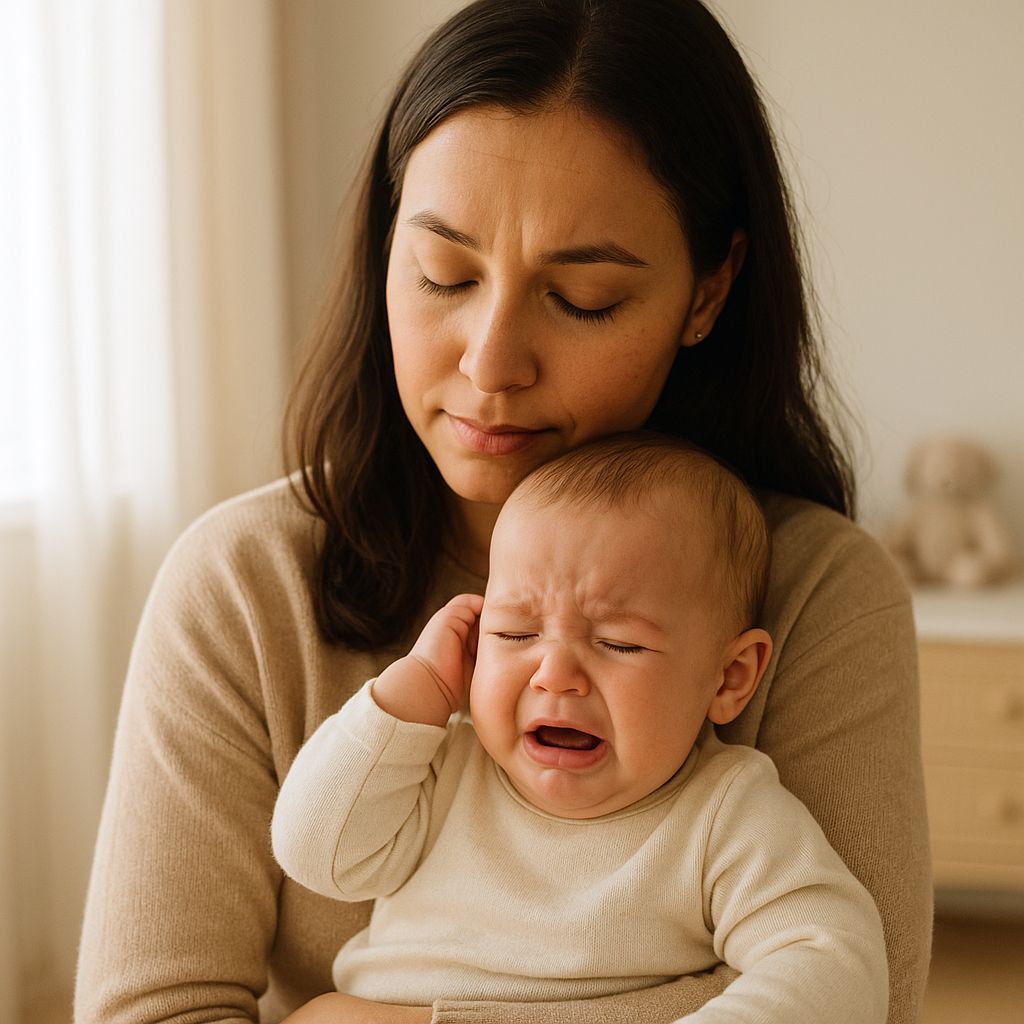
Traveling with children is an adventure filled with new experiences, but it can also present challenges—especially when it comes to maintaining healthy sleep routines. Whether you’re embarking on a cross-country road trip, visiting family, or vacationing abroad, your child’s sleep can be easily disrupted by unfamiliar environments, unpredictable schedules, and excitement. One of the most effective ways to ensure restful nights for your little one is by creating familiar sleep cues while traveling.
Why Are Sleep Cues Important?
Sleep cues are the signals and rituals that tell your child it’s time to wind down and prepare for sleep. These cues, ranging from a special bedtime story to a favorite blanket, provide comfort and help your child transition smoothly from activity to rest. When traveling, familiar sleep cues become even more crucial. They offer a sense of predictability and security amidst the unfamiliar, aiding your child in settling down and sleeping well regardless of where you are.
The Impact of Travel on Children’s Sleep
Children thrive on routine and consistency, and travel often disrupts both. Changes in time zones, exposure to new sights and sounds, and altered schedules can confuse children’s internal clocks. The unfamiliarity of hotel rooms, guest houses, or even camping tents can lead to bedtime resistance or restless nights. Establishing familiar sleep cues helps anchor your child’s sleep routine and minimizes disruptions, making travel more enjoyable for the whole family.
Key Strategies for Creating Familiar Sleep Cues While Traveling
1. Pack Portable Sleep Cues
- Favorite Comfort Items: Bring your child’s beloved stuffed animal, blanket, or pillowcase. These items carry the scent and feel of home, offering reassurance at bedtime.
- Bedtime Books: Pack a selection of familiar bedtime stories. Reading the same books you do at home can signal to your child that bedtime is approaching, no matter where you are.
- White Noise and Nightlights: Use a portable white noise machine or a smartphone app. If your child is used to a nightlight, bring a battery-operated version. These cues help mask unfamiliar sounds and create a comforting environment.
- Sleepwear: Dress your child in their usual pajamas. The tactile comfort and scent can trigger relaxation and sleepiness.
2. Maintain Consistent Bedtime Rituals
Even when traveling, strive to keep your child’s bedtime routine as consistent as possible. If your usual routine includes bath time, story time, and lullabies, try to follow the same sequence:
- Bath or Wash: A warm bath or wash helps cue your child’s body for rest.
- Story Time: Reading aloud from their favorite book is both a cue and a bonding moment.
- Lullabies or Gentle Music: Play familiar lullabies or sing the songs your child associates with sleep.
Consistency in these rituals can significantly ease the transition to sleep in a new environment.
3. Create a Sleep-Friendly Environment
Upon arrival at your destination, take time to set up a sleep space that mimics your child’s home environment:
- Darken the Room: Use portable blackout curtains or cover windows with towels to keep the space dark.
- Control Temperature: Adjust the room temperature to your child’s preference.
- Arrange Familiar Items: Set up their comfort items and sleep cues within reach.
- Minimize Noise: Position your child’s bed away from noisy areas and use white noise to mask unfamiliar sounds.
4. Prepare Your Child for the Change
Involve your child in the travel process by discussing the trip and new sleeping arrangements ahead of time. Children who know what to expect are less likely to feel anxious or resistant. Let your child help pack their sleep items, and upon arrival, give them time to explore and adjust to their new sleep space before bedtime.
5. Adjust to Time Zones and Schedules
If you’re crossing time zones, try to gradually shift your child’s sleep schedule before traveling. Upon arrival, expose your child to natural light during the day to help reset their internal clock. Maintain familiar sleep cues during the transition period, and be patient—adjustments can take several days.
6. Be Flexible and Patient
Travel often requires flexibility. While consistency is key, it’s okay to adapt routines as needed. If your child’s sleep is disrupted, focus on maintaining the most important sleep cues and rituals. Once you return home, reinforce your regular routine to help your child readjust.
Practical Packing List: Sleep Cues for Travel
- Comfort items (stuffed animal, blanket, pillowcase)
- Bedtime books and stories
- White noise machine or smartphone app
- Battery-operated nightlight
- Favorite pajamas or sleepwear
- Portable blackout curtains
- Lullaby playlist or music device
- Baby monitor (for infants and toddlers)
Expert Tips for Different Travel Scenarios
Hotel Stays
Ask for a quiet room away from elevators and main entrances. Set up a mini bedtime station in one corner with your child’s sleep cues. Use blackout curtains to keep the room dark and bring your own sheets or pillowcase if possible.
Staying with Family or Friends
Discuss your child’s sleep needs with your hosts. Ask for a quiet space and set up your child’s sleep area as you would at home. Communicate the importance of maintaining your child’s bedtime routine.
Camping and Outdoors
Bring familiar sleep cues, even if you’re roughing it. Use a portable cot, pillowcase, and comfort toy. Play lullabies on a battery-operated device and use a nightlight to ease fears of the dark.
Long Flights and Road Trips
For overnight travel, create a cozy space for your child with their blanket and comfort item. Use a travel pillow, eye mask, and play soothing music. Encourage quiet activities before attempting sleep.
Understanding Sleep Disruptions and How to Manage Them
Despite your best efforts, sleep disruptions are common during travel. Children may wake more often, resist bedtime, or struggle to settle. Here’s how to manage:
- Stay Calm: Children pick up on parental anxiety. Stay calm and reassuring.
- Stick to Key Rituals: If you can’t do the full bedtime routine, focus on the most important cues.
- Offer Comfort: Extra cuddles go a long way.
- Transition Back Home: Upon return, reinforce your usual sleep cues and schedule.
Sleep Cue Ideas for All Ages
Infants
- Swaddle blanket
- White noise
- Favorite pacifier
- Soft lullabies
Toddlers
- Stuffed animal
- Bedtime story
- Nightlight
- Routine chart
School-Aged Children
- Chapter book
- Comfort pillow
- Sleep mask
- Calming music
Common Questions About Sleep Cues and Travel
- What are sleep cues and why are they important for children when traveling?
- Sleep cues are signals or routines that help a child recognize when it’s time to sleep. These cues, such as a favorite blanket, storytime, or nightlight, provide comfort and predictability, which are especially important during travel to help children settle and sleep well in unfamiliar environments.
- How can I recreate my child’s bedtime routine while traveling?
- Bring familiar items like their favorite pajamas, bedtime books, or stuffed animals. Try to follow the same sequence of activities you do at home, such as bath, story, and lullabies, even if you have to adapt the routine to your travel setting.
- What should I pack to help my child sleep better on the go?
- Pack portable sleep cues such as a familiar pillowcase, white noise machine or app, blackout curtains, favorite bedtime stories, and comfort toys. These items can help recreate your child’s home sleep environment wherever you are.
- Is it okay to be flexible with sleep cues and routines during travel?
- Yes. While consistency is ideal, travel often requires flexibility. Focus on maintaining key elements of your child’s routine and be patient if sleep is disrupted. Once you return home, re-establish your regular sleep cues and schedule.
- How can I prepare my child for sleep in a new environment?
- Talk about the trip and new sleeping arrangements ahead of time. Involve your child in packing their sleep items. Upon arrival, set up their sleep space with familiar cues and give them time to explore and adjust before bedtime.
Conclusion: Creating Familiar Sleep Cues is the Key to Restful Travel
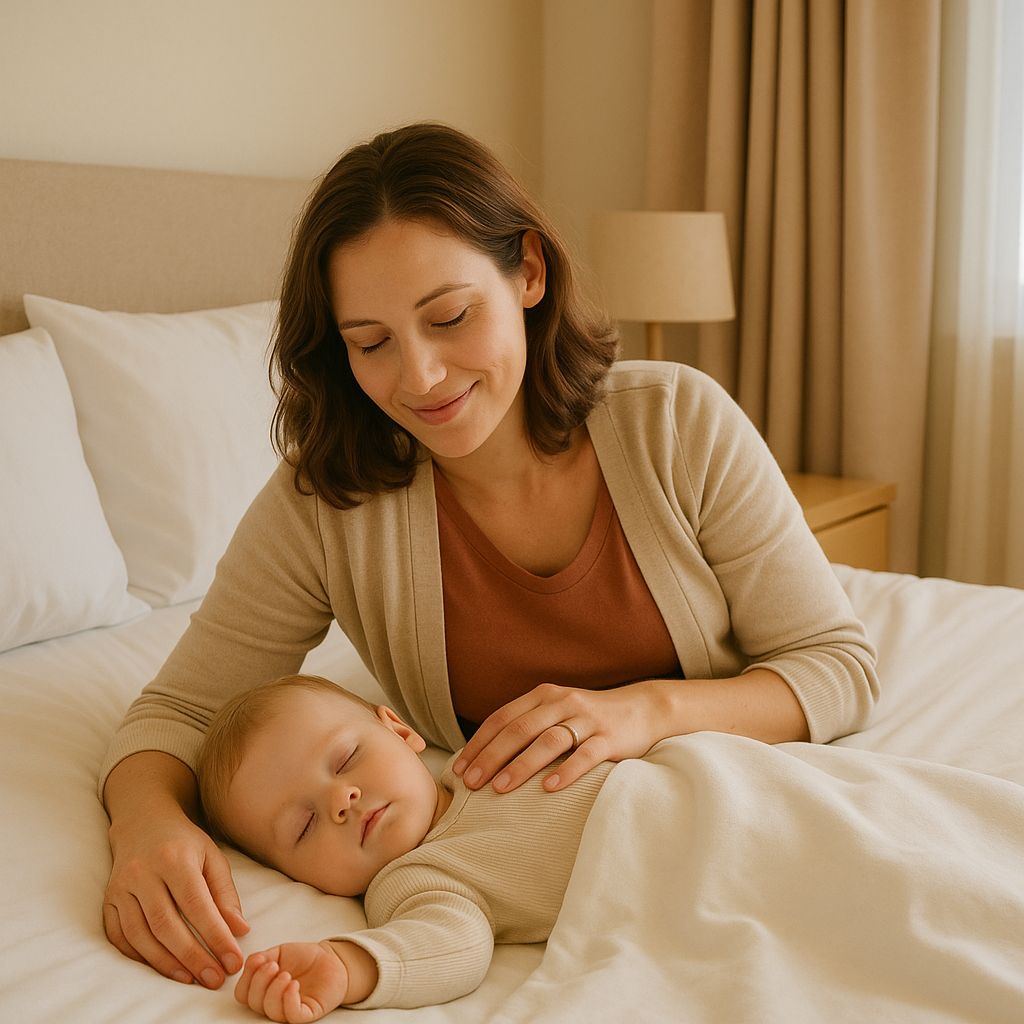
Traveling with kids doesn’t have to mean sleepless nights. By prioritizing familiar sleep cues and consistent bedtime rituals, you can help your child feel secure and rested wherever your adventures take you. Thoughtful preparation, flexibility, and patience are your greatest tools. With these strategies, you’ll create a positive travel experience for your family—one filled with memorable days and restful nights.